

Buying new vinyl records is exciting, especially if you’ve just restored or inherited a vintage turntable. But many beginners ask the same question before placing the stylus on a brand-new record: Can an old turntable damage new vinyl? The answer is reassuring. Age alone does not damage records. A well-maintained vintage turntable can play modern …


One of the most common questions among vinyl enthusiasts is surprisingly simple: How long does a turntable stylus actually last? Some people replace theirs after only a few months. Others continue using the same stylus for years without giving it much thought. The truth is somewhere in between. A stylus is a wear item. Every …
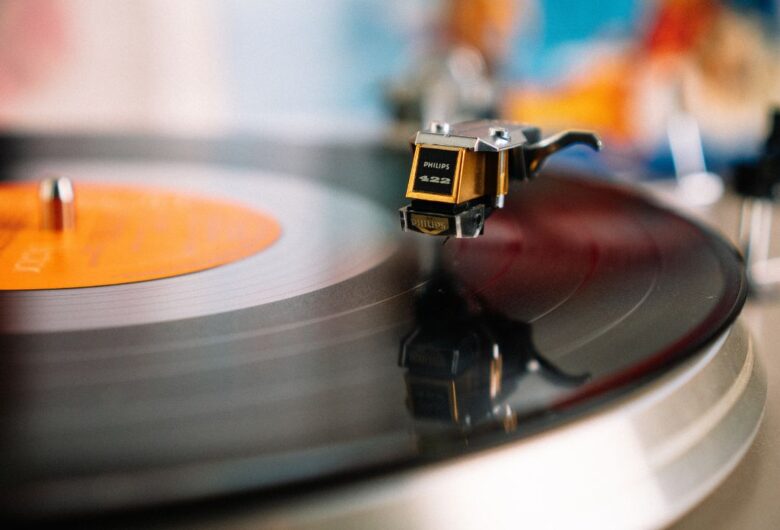
Most turntables do not leave the factory—or a previous owner’s home—perfectly adjusted for your system. Skipping the basics can lead to problems such as: The purpose of this checklist is not to achieve perfection immediately. It is to eliminate the most common mistakes before they become long-term habits. Step 1 — Make Sure the Turntable …
Cleaning a turntable is one of the simplest maintenance tasks you can perform, but it is also one of the easiest to get wrong. Many beginners assume that if something looks dusty, it simply needs more cleaning. In reality, using the wrong cloth, too much liquid, or excessive pressure can damage finishes, scratch acrylic dust …
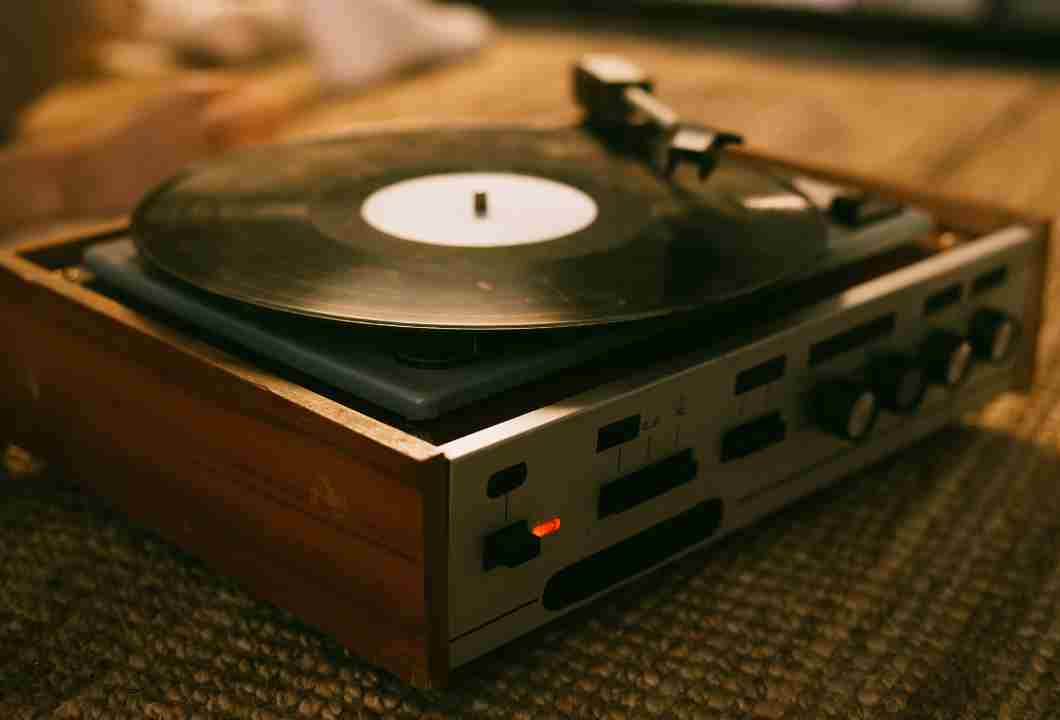
One of the most common questions among vinyl enthusiasts is surprisingly simple: Can you play a record too often? It is an understandable concern. Unlike digital music, vinyl playback involves physical contact. Every time the stylus traces the groove, pressure is applied to the record, leading many people to assume that frequent listening inevitably causes …
Ótimo artigo. Eu diria que ele está em 9,5/10. O problema é o mesmo dos anteriores: parece um artigo técnico de manual de engenharia, enquanto o padrão que estamos construindo é de um especialista explicando de forma clara para o leitor comum. Esse também ficou grande demais para uma única resposta, então vamos fazer igual …
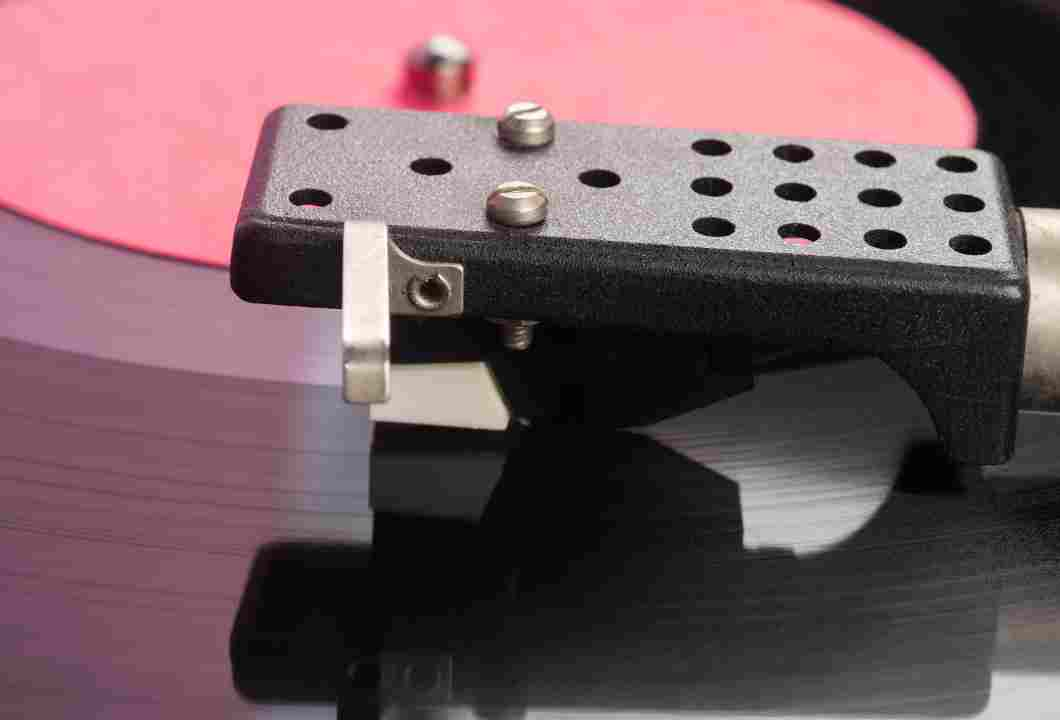
A constant hum is one of the most common—and most misunderstood—problems in vinyl playback. Many people immediately assume the cartridge has failed or that the turntable itself is defective. Others begin replacing cables, buying accessories, or changing components at random, hoping the noise will disappear. In reality, most cases of turntable hum follow a logical …
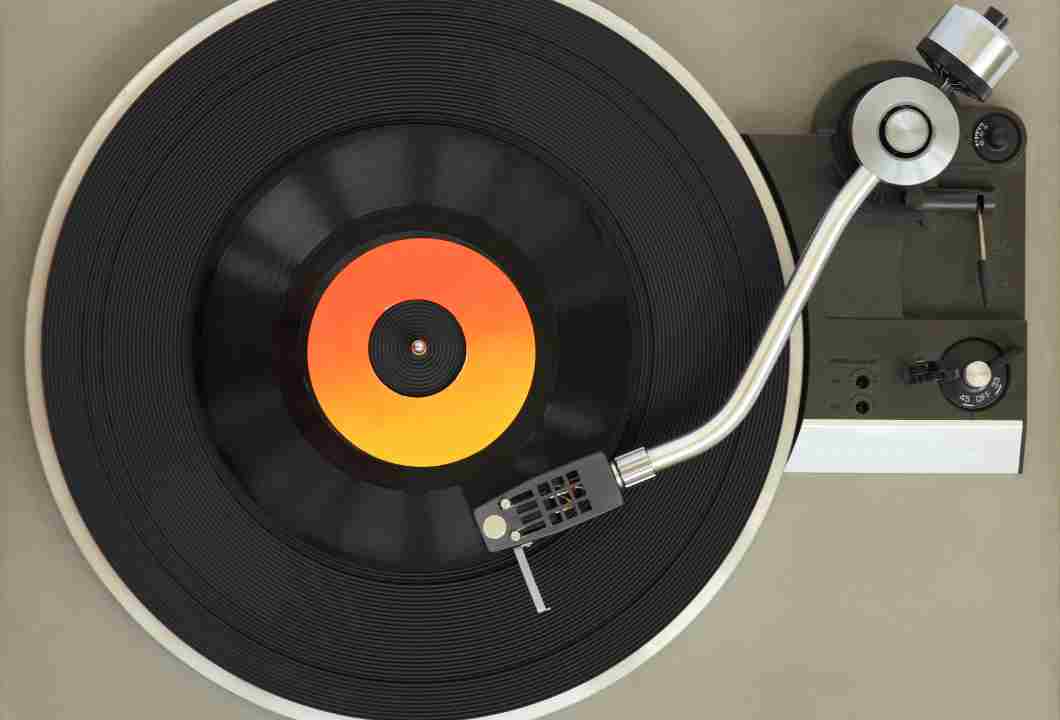
Many vinyl lovers buy a power conditioner hoping for a quieter background, less hum, and better overall sound. That makes sense. Turntables and phono stages are sensitive pieces of equipment, and power quality really can affect analog playback. But there is another side to the story. A power conditioner can help in some systems, especially …
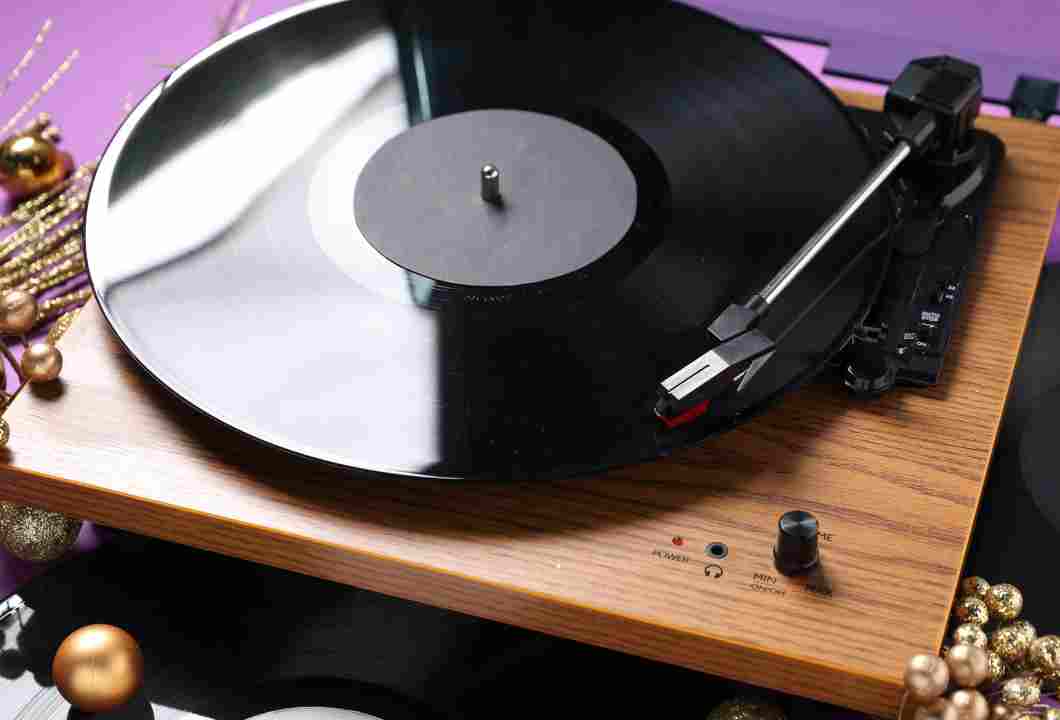
Choosing a stylus for a vintage turntable is not just about getting more detail. It is also about protecting old records, matching the cartridge correctly, and avoiding sound problems that come from using the wrong stylus for the wrong setup. This is especially important with older vinyl. Many vintage records have already been played for …
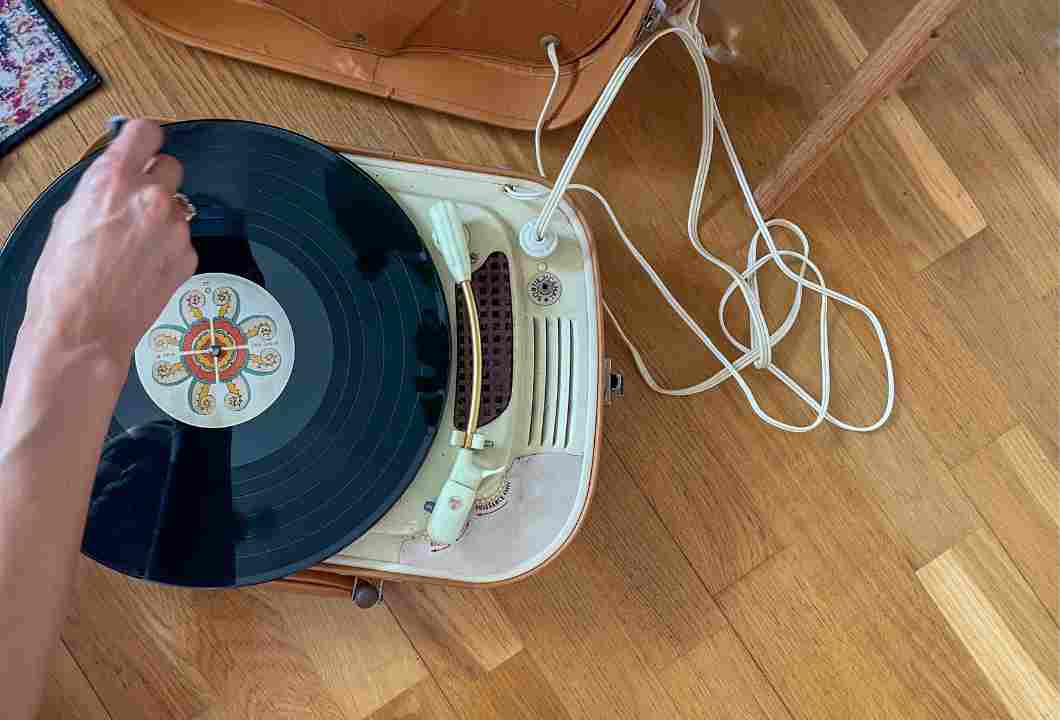
Few things are more frustrating for a vinyl listener than a turntable that starts a session quietly and, after a short time, begins producing crackles, pops, or intermittent noise. The record may be clean, the stylus may look fine, and the system may have passed every quick test—yet the noise creeps in as minutes go …