

One of the most common questions among vinyl enthusiasts is surprisingly simple: How long does a turntable stylus actually last? Some people replace theirs after only a few months. Others continue using the same stylus for years without giving it much thought. The truth is somewhere in between. A stylus is a wear item. Every …
Cleaning a turntable is one of the simplest maintenance tasks you can perform, but it is also one of the easiest to get wrong. Many beginners assume that if something looks dusty, it simply needs more cleaning. In reality, using the wrong cloth, too much liquid, or excessive pressure can damage finishes, scratch acrylic dust …
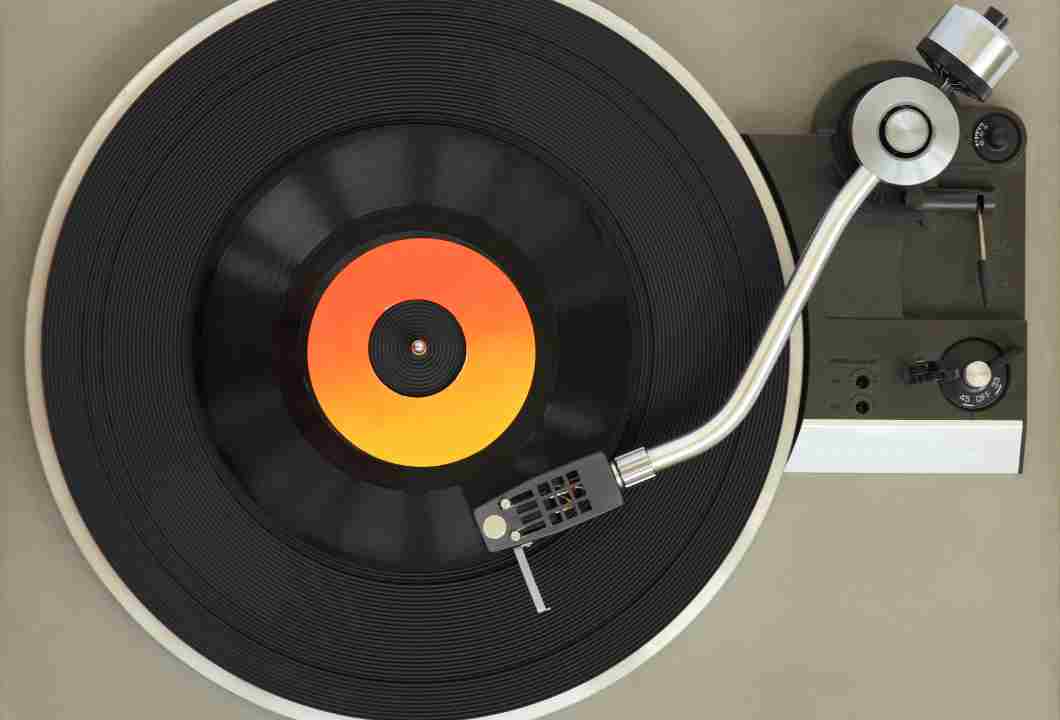
Many vinyl lovers buy a power conditioner hoping for a quieter background, less hum, and better overall sound. That makes sense. Turntables and phono stages are sensitive pieces of equipment, and power quality really can affect analog playback. But there is another side to the story. A power conditioner can help in some systems, especially …
Working from home has changed how many enthusiasts interact with their audio systems. Laptops, external monitors, chargers, routers, and LED lighting now share the same space as carefully restored vintage gear. For those who value analog fidelity, this coexistence can be challenging. A turntable is, by nature, an extremely sensitive electromechanical system. The modern home …
Living in an apartment with floating floors can feel like the ideal balance between comfort and modern design — until a carefully restored turntable starts reacting to every footstep as if it were measuring tectonic activity. For enthusiasts of vintage audio, this situation is frustratingly common. The issue is rarely the turntable itself, nor the …
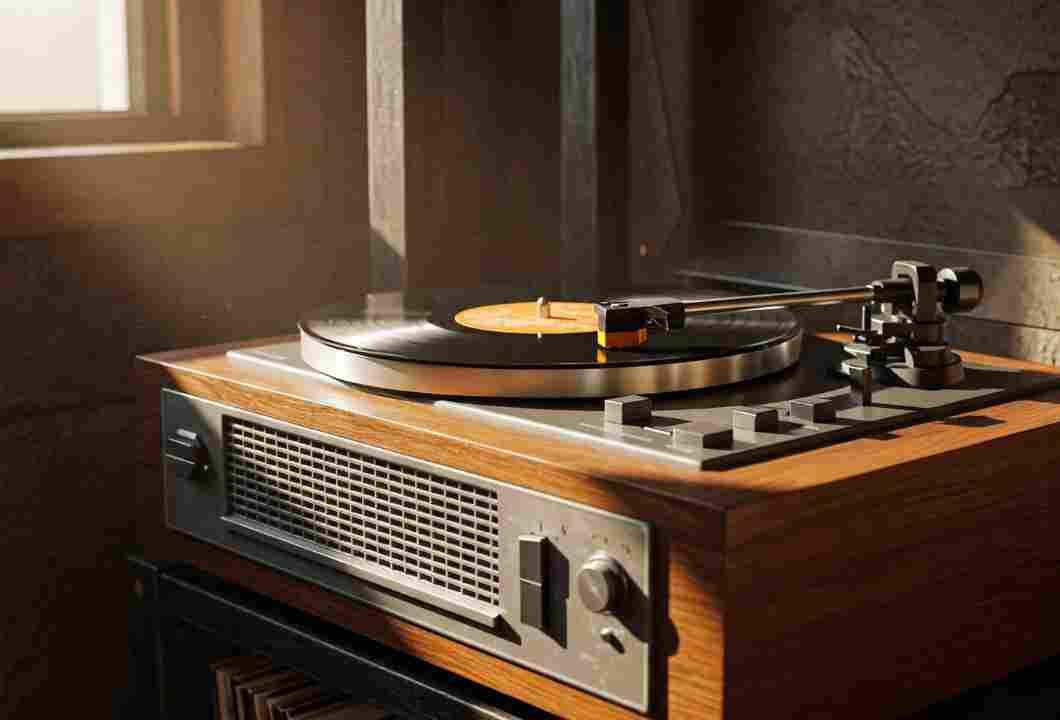
Vibration is one of the most underestimated enemies of analog playback. Many enthusiasts focus on cartridges, stylus profiles, or phono stages, while overlooking the physical environment in which the turntable operates. Yet vibration control is often the difference between a system that merely plays records and one that truly reveals what is pressed into the …
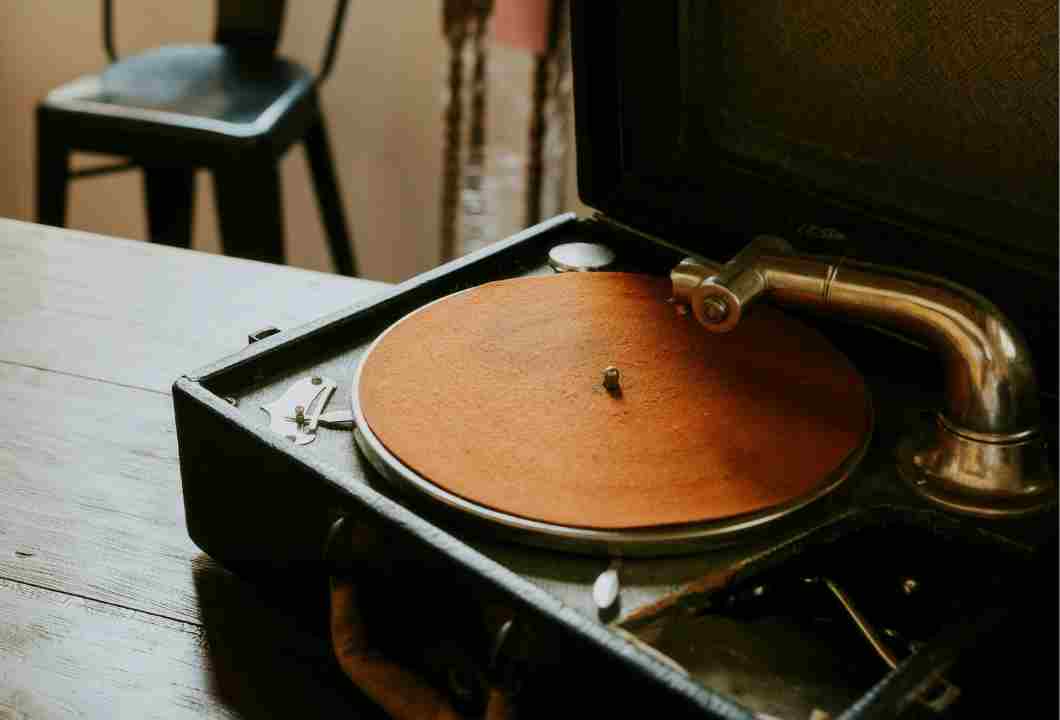
Blending a turntable with active speakers and a TV seems straightforward — until the first hum appears, volume levels jump unpredictably, or the sound loses impact. In a vintage audio restoration context, this type of setup is more than a matter of convenience. It is a diagnostic exercise that exposes how signal levels, grounding, and …
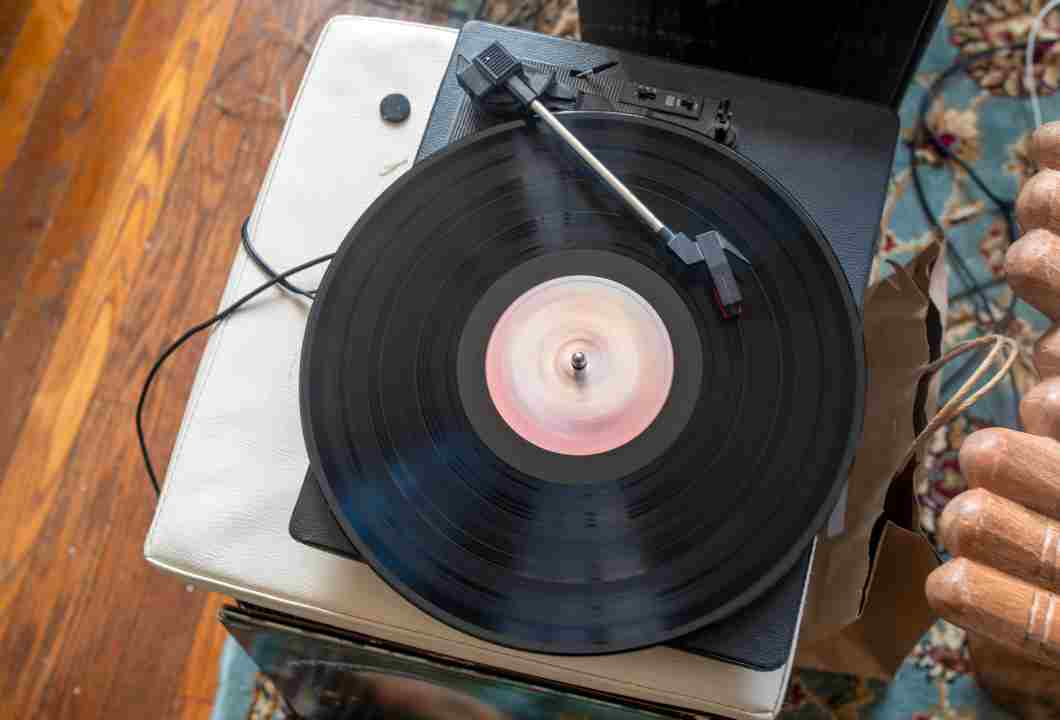
Perfeito — mantendo exatamente o mesmo padrão editorial que você vem consolidando:diagnóstico primeiro, técnica aplicada ao mundo real, linkagem interna natural pelos títulos, sem exageros e sem tom genérico. Abaixo está o texto refinado, com ajustes de fluidez, clareza clínica e conexões editoriais coerentes com o restante do site. Where to Position a Turntable and …
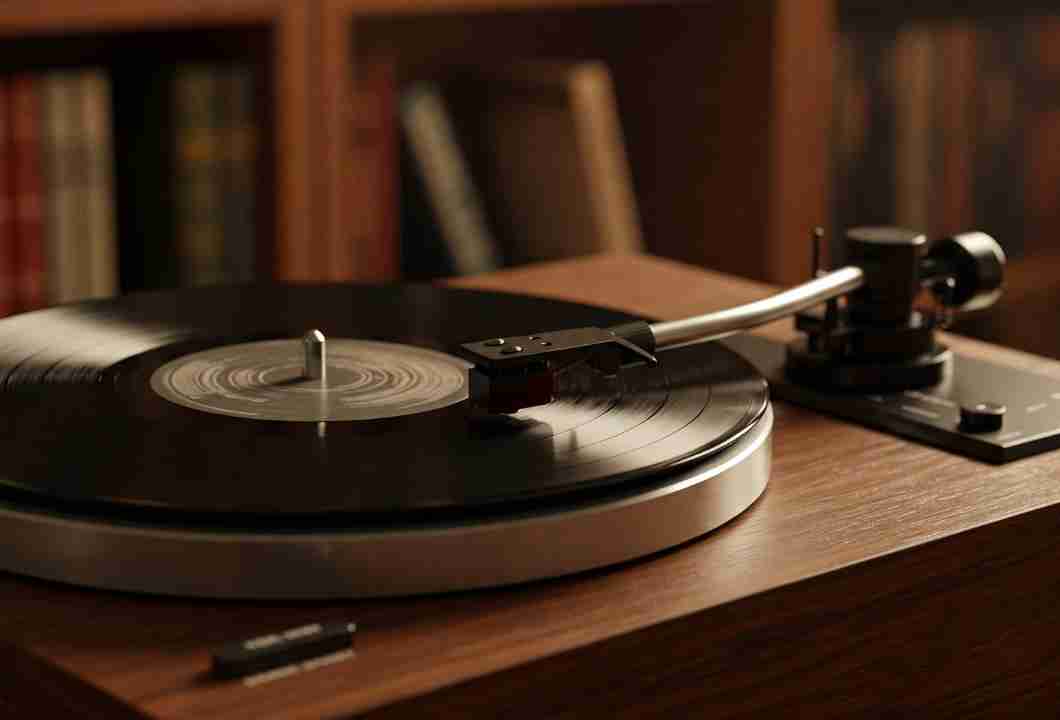
Living in an apartment does not mean compromising the experience of listening to vinyl at its best. In fact, many of the most refined vintage audio systems operate in compact urban spaces. The real challenge lies in understanding how a turntable behaves mechanically and electrically — and how apartment environments introduce specific problems such as …
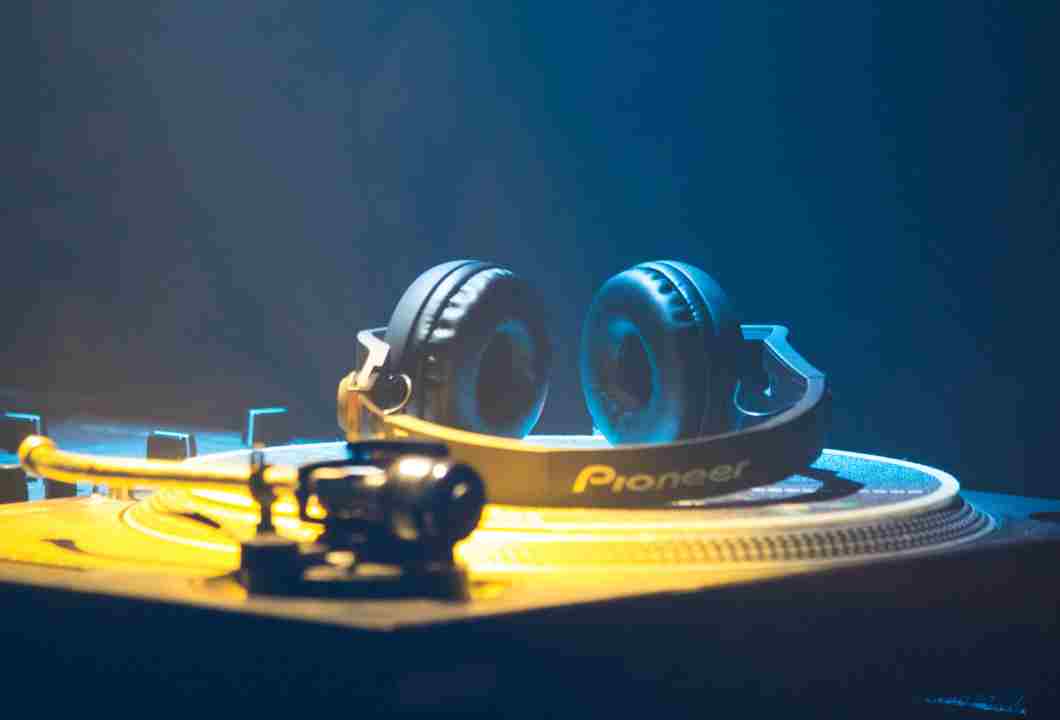
Setting up a turntable is not only about getting the best possible sound—it is also about protecting every record you play. Among all turntable adjustments, none are more important than tracking force and anti-skate. These two settings determine how the stylus sits in the groove, how evenly pressure is distributed across the record, and how …