
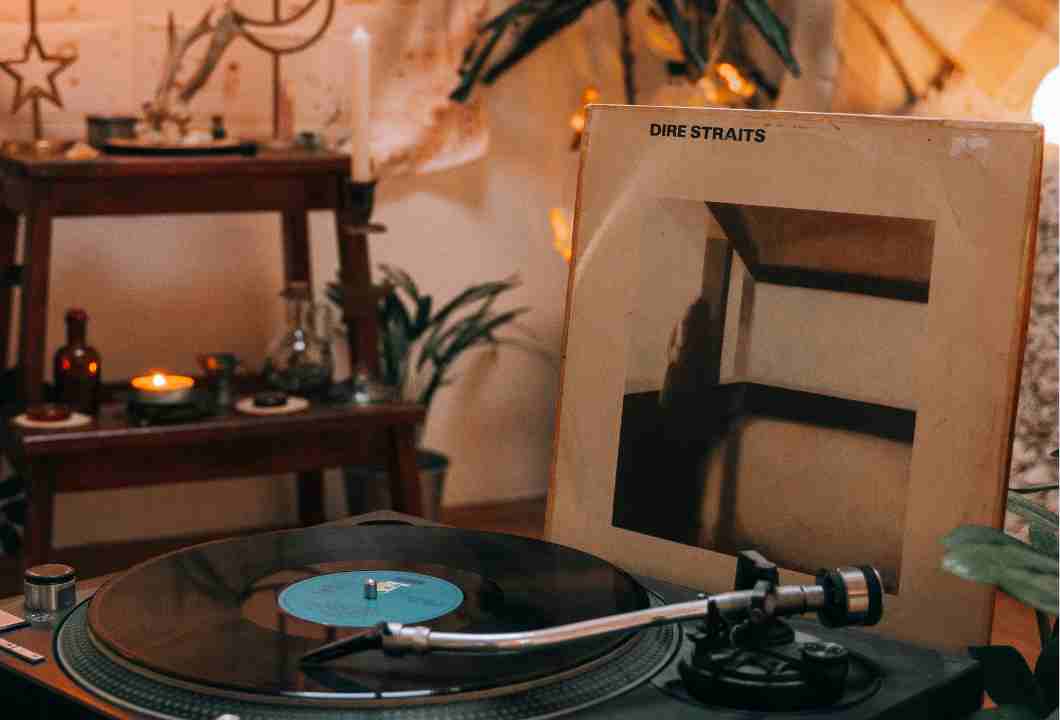
Working from home has changed how many enthusiasts interact with their audio systems. Laptops, external monitors, chargers, routers, and LED lighting now share the same space as carefully restored vintage gear. For those who value analog fidelity, this coexistence can be challenging. A turntable is, by nature, an extremely sensitive electromechanical system. The modern home …

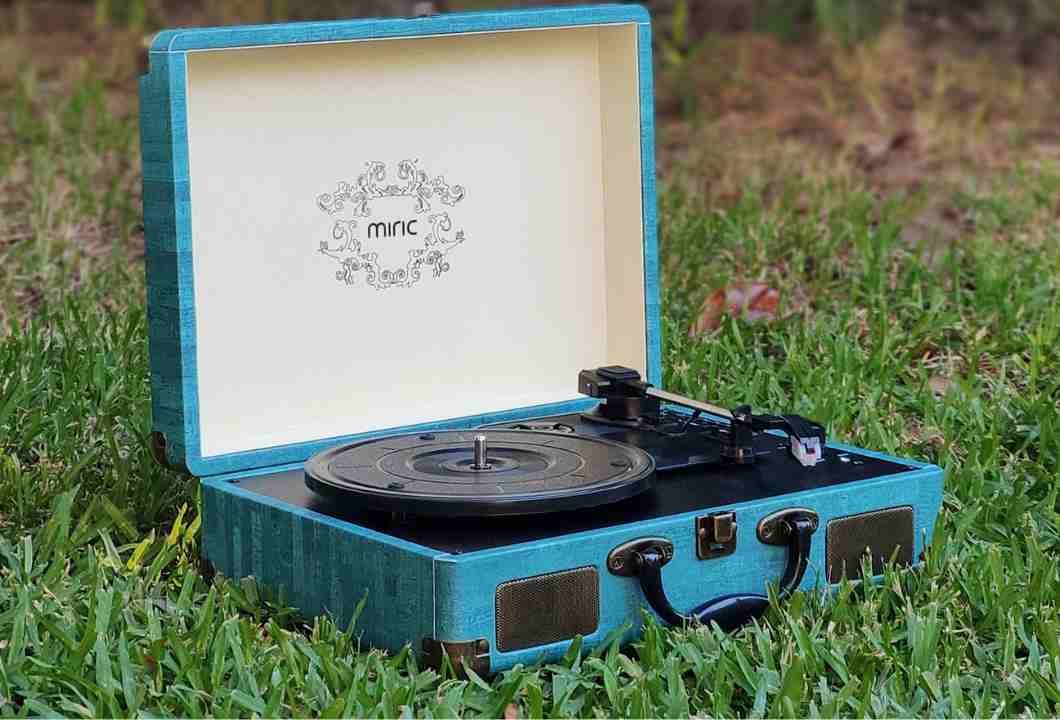
A turntable can sound wrong even when nothing appears to be broken. The cartridge may be in good condition, the stylus may be clean, and the records may be well cared for, yet the music still feels unbalanced. In one system, the sound may seem dull, veiled, or lacking air. In another, it may become …
Sometimes a turntable sounds disappointing even when the obvious things seem fine. The record is clean, the stylus is new, and the cartridge appears to be working properly. But the music still feels dull, closed-in, or lacking air. This kind of problem can be frustrating because nothing seems clearly broken. There may be no strong …
Living in an apartment with floating floors can feel like the ideal balance between comfort and modern design — until a carefully restored turntable starts reacting to every footstep as if it were measuring tectonic activity. For enthusiasts of vintage audio, this situation is frustratingly common. The issue is rarely the turntable itself, nor the …
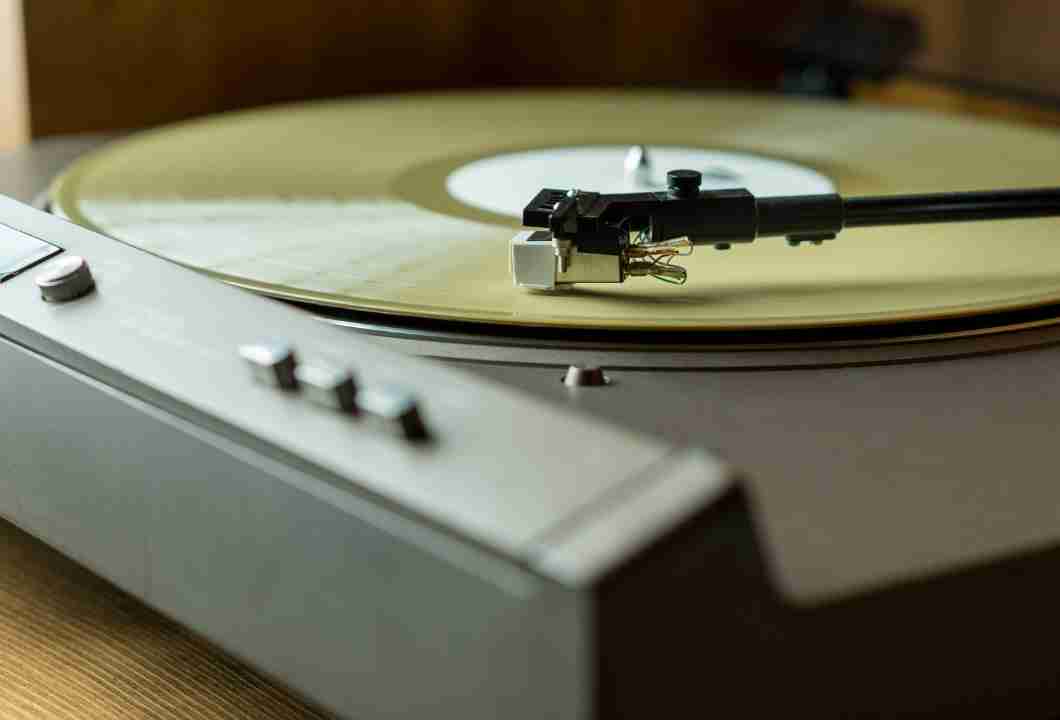
One of the most common questions among vinyl enthusiasts is whether a modern cartridge can improve the performance of a vintage turntable. The short answer is yes—but only if the cartridge and tonearm are mechanically compatible. Many classic turntables were built to an exceptionally high standard, with precision bearings, solid tonearms, and engineering that has …
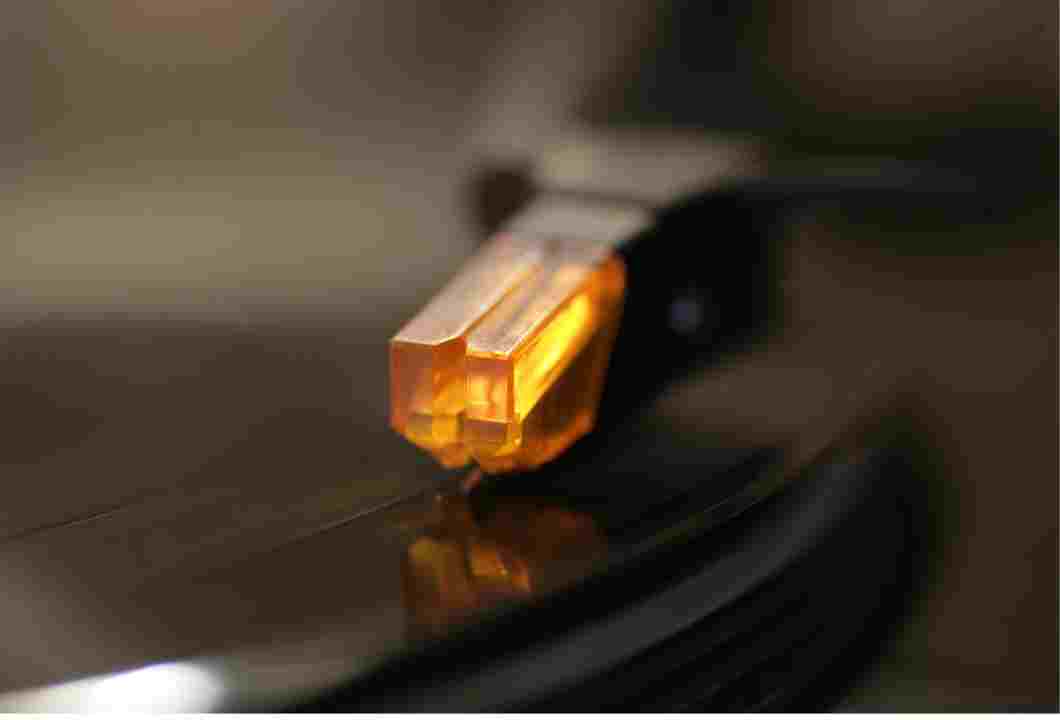
Few things are more frustrating for a vinyl listener than lowering the stylus onto a favorite record and immediately sensing that something is wrong. Bass notes blur together, losing pitch definition and impact. Midrange information—vocals, guitars, pianos—sounds muted and lifeless. On a properly restored turntable, this presentation is not a “vinyl character.” It is a …
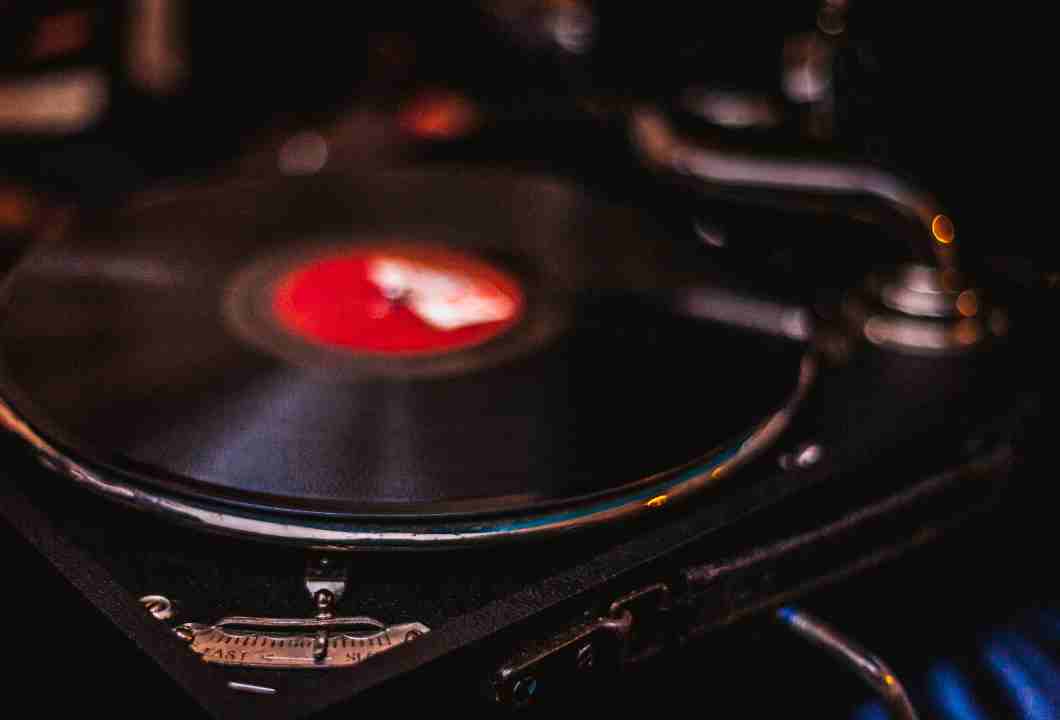
How to Avoid Counterfeit Styli and Cartridges: Practical Signs When Buying In the world of vintage audio restoration, few components generate as much confusion—and as many costly mistakes—as the stylus and cartridge. For the serious turntable owner, these tiny parts are not accessories; they are the primary interface between the groove and the sound. A …

The renewed interest in vinyl has brought many listeners closer to the mechanical beauty of the turntable. Along with that intimacy comes a reality that surprises newcomers and veterans alike: vinyl is not silent. Every groove, every rotation, and every electrical stage introduces some degree of noise. The challenge is not eliminating noise entirely, but …
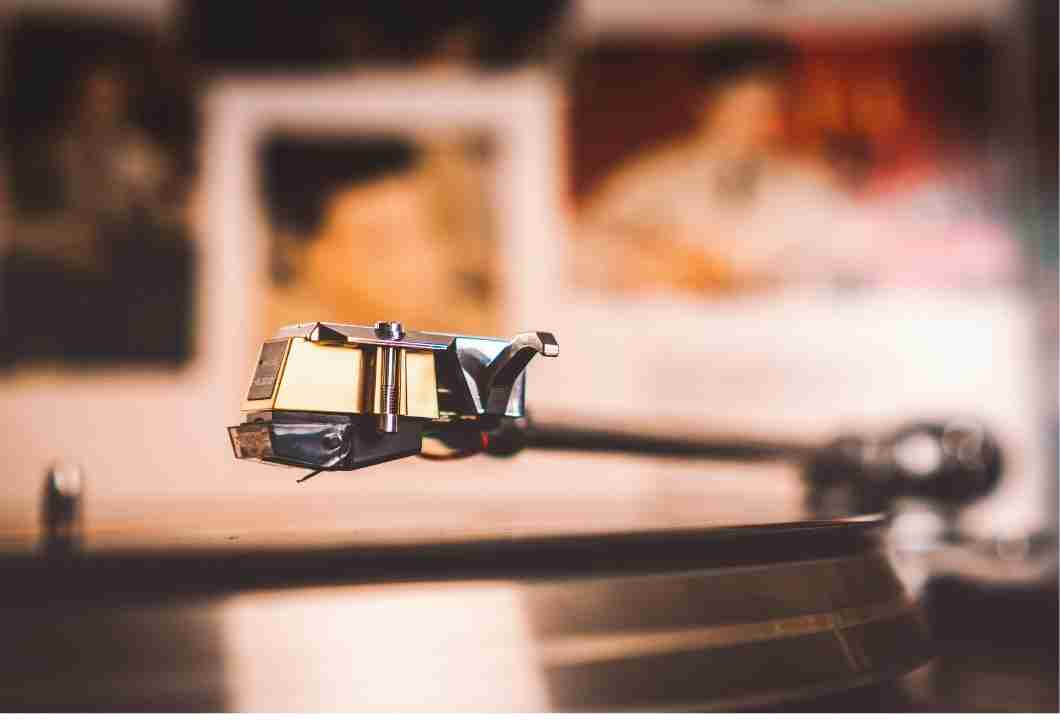
Few things break the spell of vinyl playback faster than unstable speed. A piano chord that gently wavers, vocals that feel seasick, or drums that never quite lock in—these are unmistakable signs that a turntable is failing to maintain accurate rotation. In vintage audio restoration, speed stability is not a refinement or an “upgrade.” It …
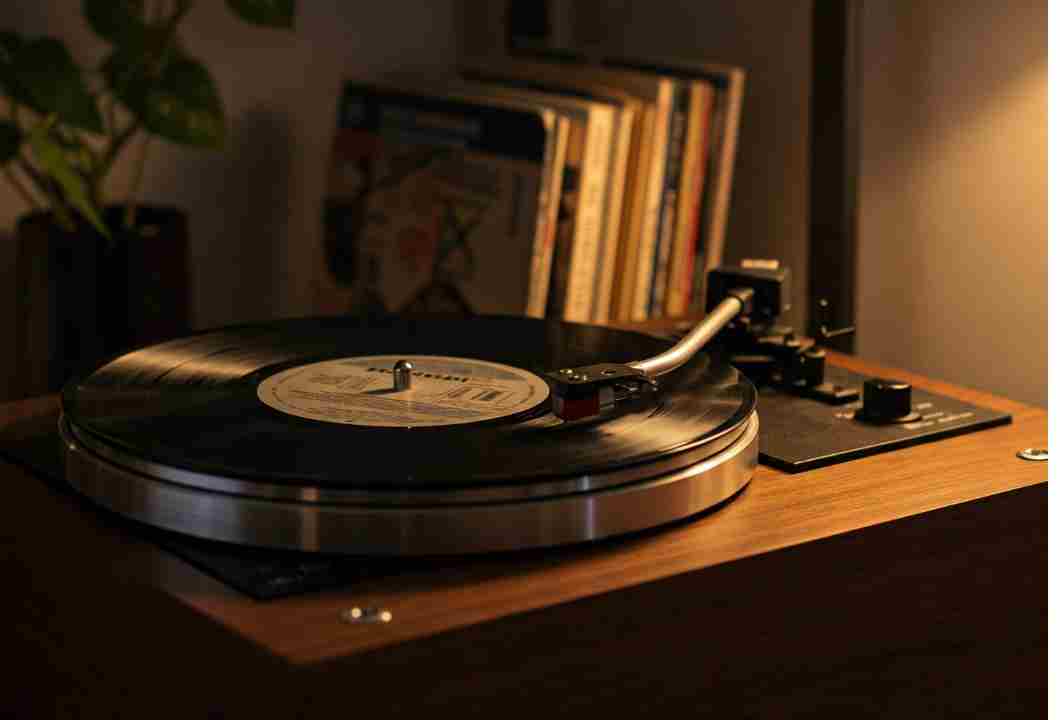
The renewed interest in vinyl records has brought many listeners back to the tactile pleasure of placing a record on a turntable, lowering the tonearm, and listening with intention. Along with this revival comes a recurring question in workshops and listening rooms alike: how much cleaning is enough? Vinyl is resilient, but it is not …