
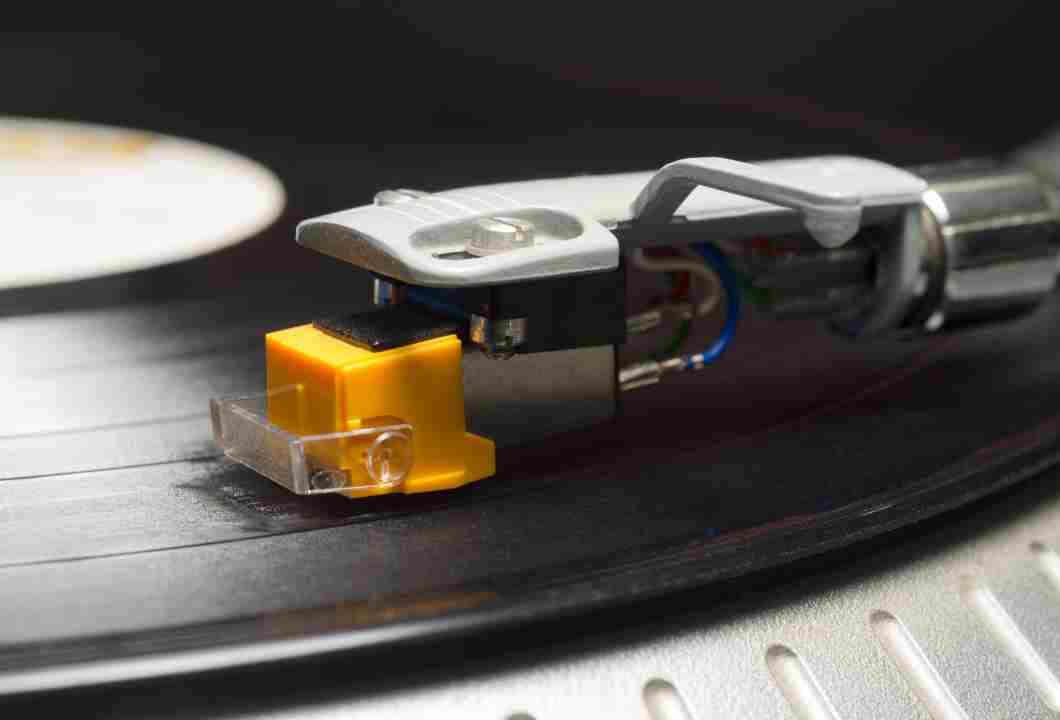
The revival of vintage audio has brought renewed attention to the smallest component in the analog chain and, paradoxically, the one with the greatest influence on sound: the cartridge. In restoration workshops, a recurring question appears whenever a classic turntable reaches the bench: should it run a Moving Magnet (MM) or a Moving Coil (MC) …


Vintage audio restoration often lives in details that most listeners never see. Few components illustrate this better than the belt that drives a belt-drive turntable. At first glance, it looks trivial: a loop of rubber connecting motor and platter. In practice, the belt is a precision element that directly affects speed stability, torque transfer, noise …
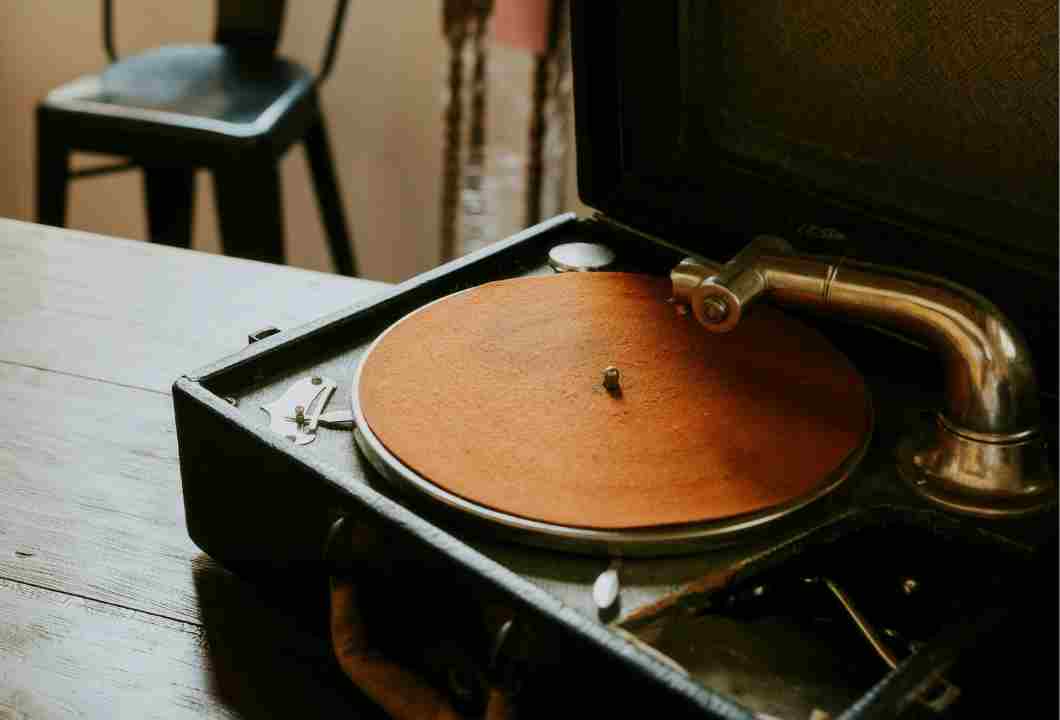
Blending a turntable with active speakers and a TV seems straightforward — until the first hum appears, volume levels jump unpredictably, or the sound loses impact. In a vintage audio restoration context, this type of setup is more than a matter of convenience. It is a diagnostic exercise that exposes how signal levels, grounding, and …
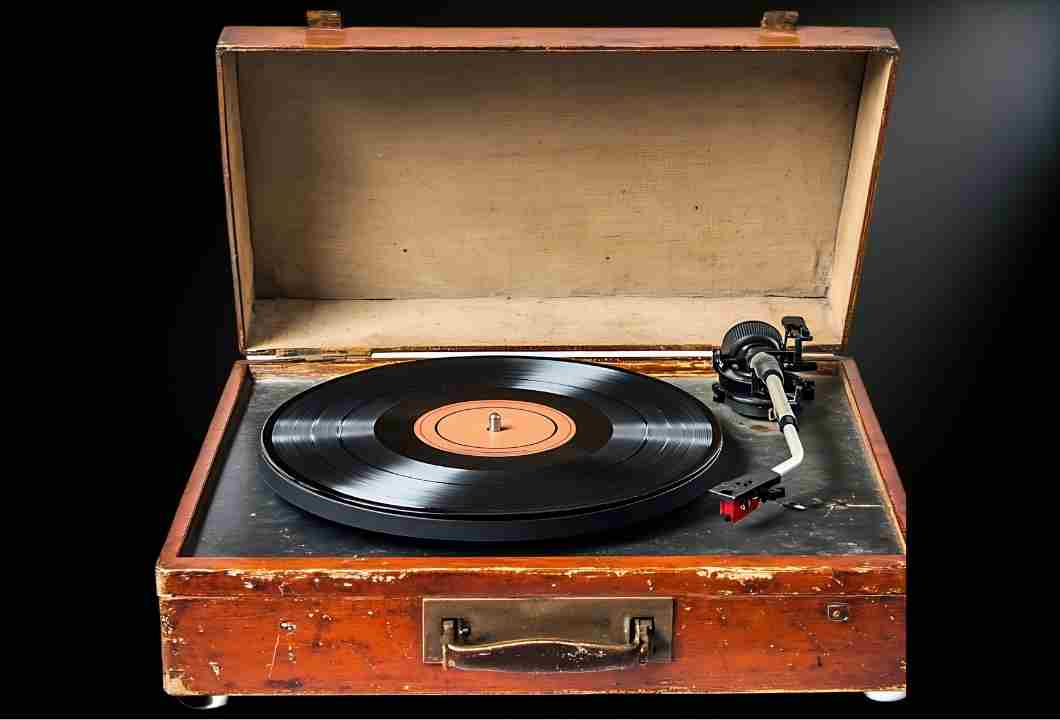
The presence of hum—that persistent, low-frequency rumble heard the moment the system comes alive—is one of the most frequent and misunderstood problems in analog playback. For anyone involved in restoring, servicing, or seriously listening to vinyl, hum is more than an annoyance: it is a signal that something in the system is electrically or mechanically …

Perfeito — mantendo exatamente o mesmo padrão editorial que você vem consolidando:diagnóstico primeiro, técnica aplicada ao mundo real, linkagem interna natural pelos títulos, sem exageros e sem tom genérico. Abaixo está o texto refinado, com ajustes de fluidez, clareza clínica e conexões editoriais coerentes com o restante do site. Where to Position a Turntable and …

Living in an apartment does not mean compromising the experience of listening to vinyl at its best. In fact, many of the most refined vintage audio systems operate in compact urban spaces. The real challenge lies in understanding how a turntable behaves mechanically and electrically — and how apartment environments introduce specific problems such as …
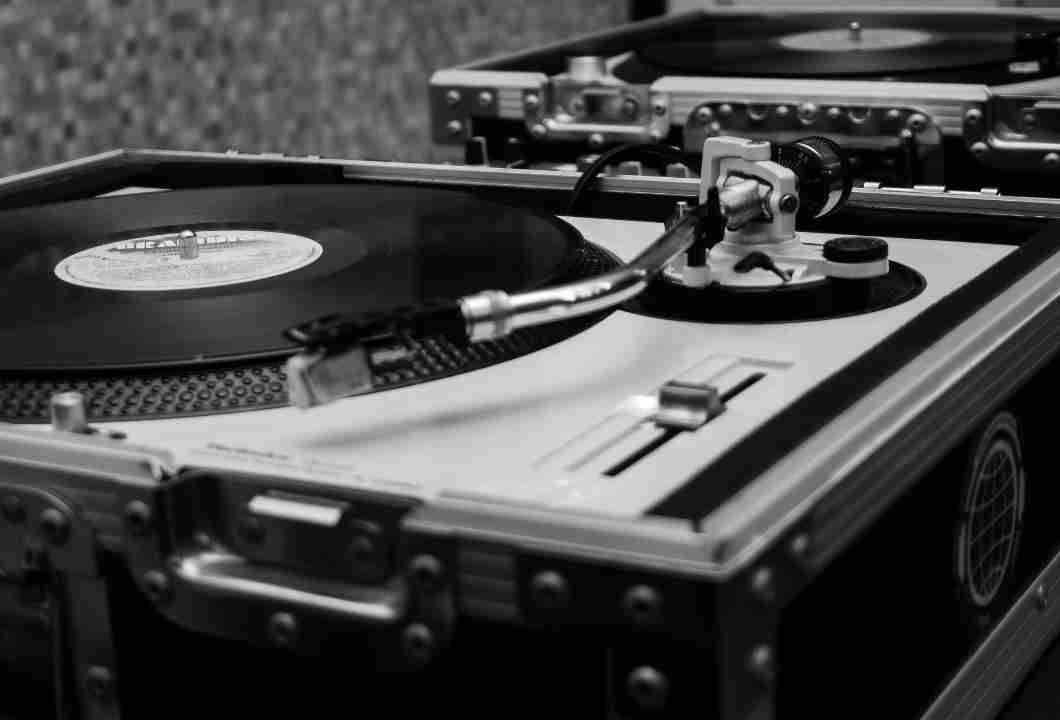
Restoring and optimizing a vintage turntable is as much about restraint as it is about ambition. In a world full of exotic accessories, boutique materials, and bold marketing claims, it is easy to spend heavily while achieving little—or nothing—audible. In a clinical approach to turntable diagnosis and solution, every upgrade must justify itself through measurable …

Setting up a turntable is not only about getting the best possible sound—it is also about protecting every record you play. Among all turntable adjustments, none are more important than tracking force and anti-skate. These two settings determine how the stylus sits in the groove, how evenly pressure is distributed across the record, and how …

How to Identify the Correct Turntable Stylus in 10 Minutes (Without Buying the Wrong Replacement) The stylus is one of the smallest parts of a turntable, yet it has one of the biggest responsibilities. Every time you play a record, the stylus follows microscopic groove modulations that contain all of the music. If it is …

Few things are more frustrating to a vinyl enthusiast than a record that skips. The moment the stylus jumps out of the groove, immersion is broken and concern sets in: is something wrong with the turntable, or is the record itself beyond saving? In the clinic of turntable diagnosis, skipping is one of the most …