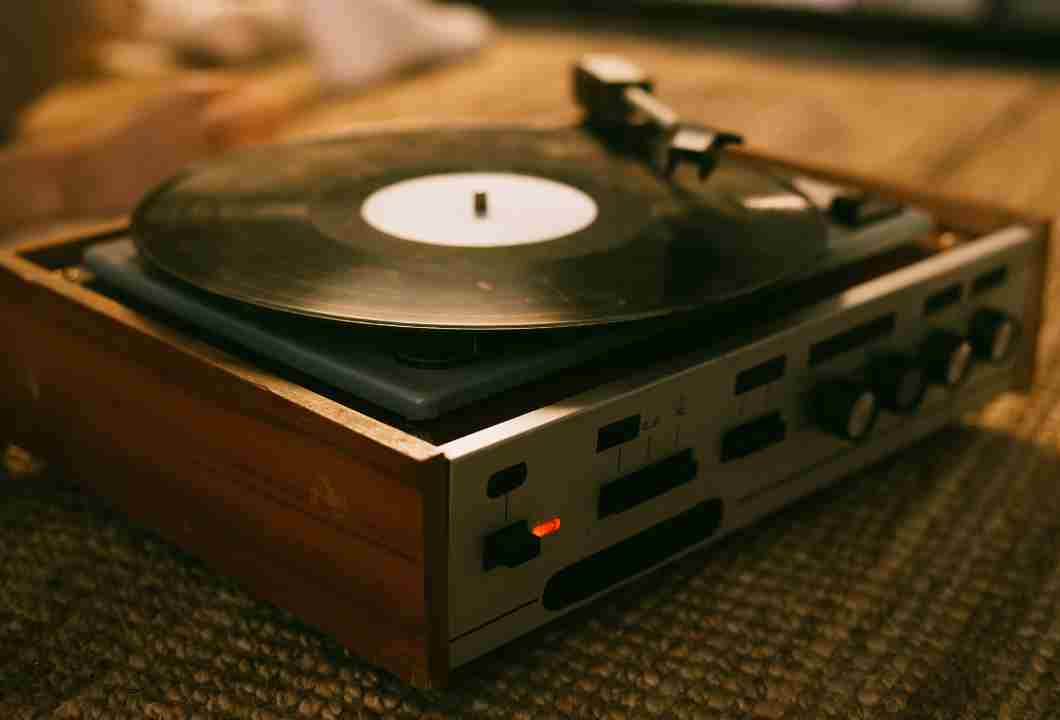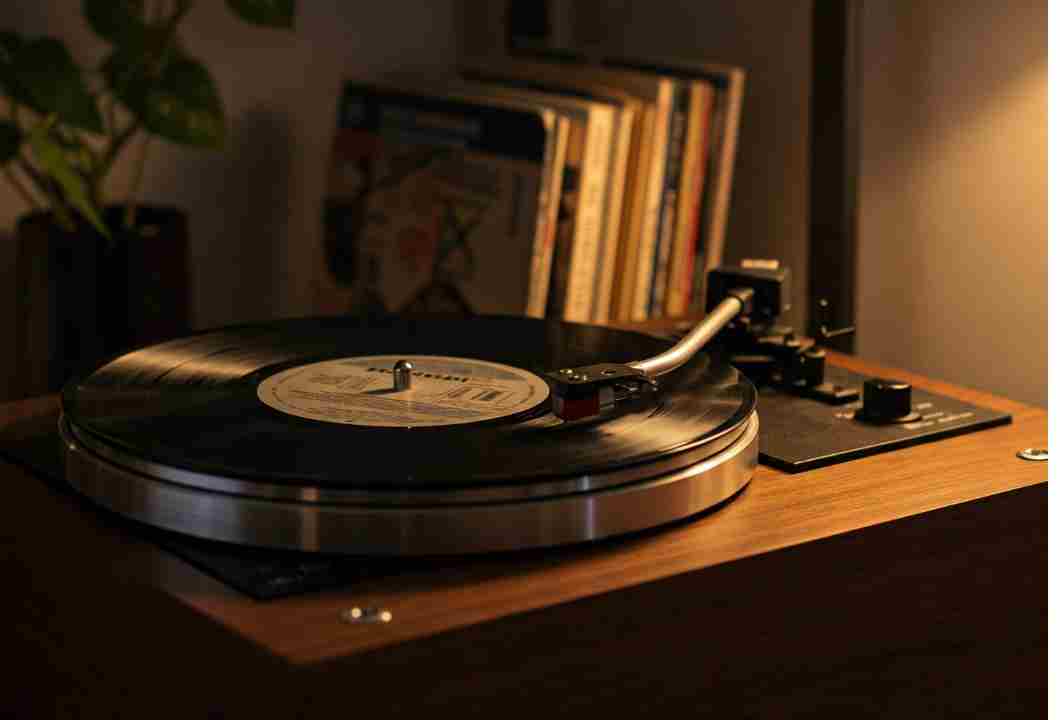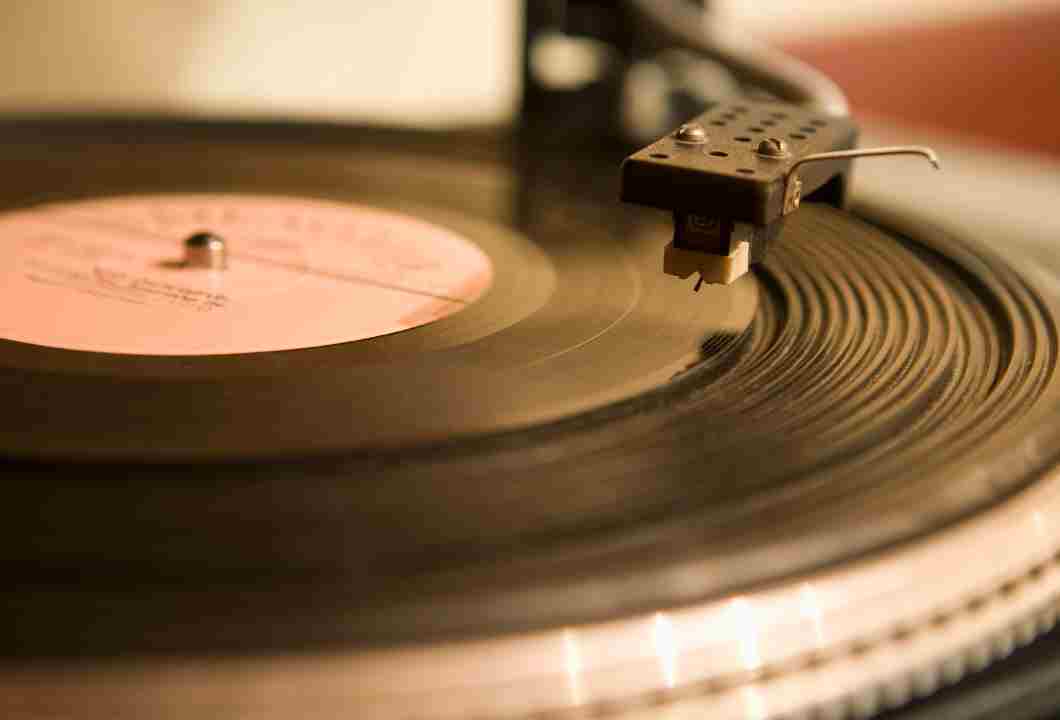

Buying new vinyl records is exciting, especially if you’ve just restored or inherited a vintage turntable.
But many beginners ask the same question before placing the stylus on a brand-new record:
Can an old turntable damage new vinyl?
The answer is reassuring.
Age alone does not damage records.
A well-maintained vintage turntable can play modern vinyl just as safely as a new one. In fact, many classic turntables were built to an exceptionally high standard and continue to deliver excellent performance decades after they were manufactured.
The real concern is not how old the turntable is.
It is whether the turntable is properly adjusted and mechanically healthy.
In this guide, you’ll learn what actually causes record wear, how to recognize potential problems, and how to make sure your vintage equipment treats your records with the care they deserve.
Quick Answer
A vintage turntable will not damage new vinyl records simply because it is old.
Records are much more likely to be damaged by:
- a worn stylus;
- incorrect tracking force;
- poor cartridge alignment;
- damaged tonearm bearings;
- dirty records;
- mechanical faults that have never been serviced.
A properly maintained vintage turntable is perfectly safe for playing modern records.
Why Age Is Not the Problem
Many people assume that newer equipment must automatically be safer.
That is not how turntables work.
Unlike many electronic devices, a turntable is primarily a mechanical instrument.
If its bearings, tonearm, cartridge, and stylus remain in good condition, it can continue performing accurately for decades.
There are vintage turntables built in the 1970s that still outperform many inexpensive modern record players.
Their age alone tells you almost nothing about how safely they treat records.
Condition is what matters.
What Actually Damages Records?
Every time a record is played, the stylus contacts both walls of the groove.
This contact is completely normal and was expected by the engineers who designed the vinyl format.
Damage occurs when that contact becomes abnormal.
The most common causes include:
- worn styli;
- incorrect cartridge setup;
- mistracking;
- excessive tracking force;
- damaged suspension;
- dirt trapped in the groove.
Notice that none of these problems are directly related to the age of the turntable.
They are maintenance issues.
The Stylus Is More Important Than the Turntable
If there is one component that deserves your attention above all others, it is the stylus.
The stylus is the only part of the playback system that actually touches the record.
A healthy stylus follows the groove smoothly.
A worn stylus may:
- increase distortion;
- mistrack during loud passages;
- place uneven pressure on the groove walls;
- gradually wear the record.
If you recently purchased a vintage turntable and do not know the stylus history, replacing it is usually one of the safest investments you can make.
Correct Tracking Force Protects Records
Another common misconception is that lighter tracking force is always safer.
In reality, a cartridge that tracks too lightly often causes more damage than one adjusted correctly.
When tracking force is too low, the stylus can bounce or lose stable contact with the groove.
This condition, called mistracking, creates sudden impacts that place unnecessary stress on the vinyl.
Following the cartridge manufacturer’s recommended tracking force is almost always the safest approach.
Cartridge Alignment Matters More Than Most Beginners Realize
Even a brand-new stylus can perform poorly if the cartridge is not aligned correctly.
Alignment determines how the stylus sits inside the groove from the beginning of the record to the end.
Poor alignment may cause:
- inner-groove distortion;
- uneven stylus wear;
- uneven record wear;
- reduced channel balance.
Fortunately, cartridge alignment only needs to be done carefully—not constantly.
Once it has been set correctly, only occasional verification is usually necessary.
Dirty Records Increase Wear
Dust does much more than create clicks and pops.
Tiny particles trapped inside the groove increase friction and force the stylus to work harder.
Over time this can contribute to:
- faster stylus wear;
- additional surface noise;
- unnecessary groove wear.
Cleaning records regularly is one of the easiest ways to protect both your stylus and your vinyl collection.
Does Modern Vinyl Require a Modern Turntable?
No.
Modern records follow the same basic playback principles that have existed for decades.
A high-quality vintage turntable adjusted correctly can play today’s pressings safely and accurately.
In many cases, the build quality of older turntables is actually superior to that of many inexpensive modern record players.
The important factor is not the manufacturing date.
It is the quality of the setup and maintenance.
A Simple Inspection Before Playing New Records
If you’ve just acquired a vintage turntable, spend a few minutes checking these items before playing valuable records.
Confirm:
✓ The stylus is clean.
✓ The stylus is not visibly damaged.
✓ Tracking force is correctly adjusted.
✓ Anti-skate has been set.
✓ The cartridge is secure.
✓ The platter rotates smoothly.
✓ The tonearm moves freely.
These basic checks eliminate most of the problems that cause unnecessary record wear.
Can You Tell If a Turntable Is Safe?
In many cases, yes.
A careful visual inspection can reveal whether a turntable is likely to treat your records properly.
Look for signs such as:
- a bent or damaged stylus;
- excessive dust around the cartridge;
- loose headshell connections;
- wobbling platter;
- noisy bearings;
- cracked or hardened belts on belt-drive models;
- obvious tonearm damage.
None of these issues automatically means the turntable is unusable, but they should be addressed before playing valuable records.
Common Mistakes That Put Records at Risk
Many records are damaged not because the equipment is old, but because simple maintenance has been ignored.
Some of the most common mistakes include:
- using a stylus with an unknown number of playing hours;
- guessing the tracking force;
- never checking cartridge alignment;
- playing dirty records repeatedly;
- forcing the tonearm onto the record by hand;
- continuing to use a cartridge that skips or mistracks.
Fortunately, all of these problems are preventable.
What About Cheap Modern Record Players?
Many beginners assume that a brand-new record player is automatically safer than an older turntable.
That is not always true.
Some inexpensive modern record players:
- use fixed cartridges;
- provide no tracking-force adjustment;
- offer no anti-skate adjustment;
- use lower-quality tonearms.
A properly serviced vintage turntable with a correctly adjusted cartridge is often much gentler on records than an inexpensive all-in-one player.
Age is not the deciding factor—design and maintenance are.
A Quick Checklist Before Playing New Vinyl
Before placing a brand-new record on your vintage turntable, confirm the following:
✓ Stylus is clean.
✓ Stylus is in good condition.
✓ Tracking force is correctly adjusted.
✓ Anti-skate is properly set.
✓ Cartridge alignment has been checked.
✓ Record is clean.
✓ Platter reaches stable speed.
✓ No unusual hum, vibration, or mechanical noise is present.
These simple checks take only a few minutes but can help protect your collection for years.
Frequently Asked Questions
Can a 40-year-old turntable safely play new records?
Yes.
If it has been properly maintained and correctly adjusted, a well-built vintage turntable can play modern records just as safely as a new model.
Should I replace the stylus after buying a used turntable?
In most cases, yes.
If you do not know the stylus history, replacing it is inexpensive insurance against unnecessary record wear.
Are heavier vintage tonearms dangerous?
Not by themselves.
A heavier tonearm simply requires a cartridge that is mechanically compatible.
When properly matched, heavier tonearms can provide excellent tracking performance.
Will modern 180-gram records damage an old turntable?
No.
Heavier records place no meaningful extra strain on a properly functioning turntable.
They are played using exactly the same principles as standard-weight records.
Final Thoughts
A vintage turntable is not a threat to your records simply because it has been around for decades.
In fact, many classic models continue to outperform newer budget turntables thanks to their solid engineering and durable construction.
What protects your vinyl is not the age of the equipment—it is the condition of the stylus, the accuracy of the setup, and the care taken during everyday use.
If your turntable has been properly maintained, your cartridge is correctly adjusted, and your stylus is in good condition, there is no reason to hesitate before playing a brand-new record.
With the right maintenance, a vintage turntable can continue preserving your collection for many years to come.
Continue Learning
If you’re setting up or maintaining a vintage turntable, these guides are a great next step:
- How Long Does a Turntable Stylus Really Last? (And How to Know When It’s Time to Replace It)
- Beginner Turntable Setup Checklist: What to Check Before Playing Records
- Tracking Force and Anti-Skate: How to Choose Safe Values for Your Cartridge
- How to Clean a Turntable Safely (Without Damaging It)
- Does Playing Records Too Often Damage Them?
Together, these guides will help you protect your records, extend the life of your stylus, and enjoy reliable vinyl playback with confidence.