

Vibration is one of the most underestimated enemies of analog playback. Many enthusiasts focus on cartridges, stylus profiles, or phono stages, while overlooking the physical environment in which the turntable operates. Yet vibration control is often the difference between a system that merely plays records and one that truly reveals what is pressed into the …


Perfeito — mantendo o mesmo padrão editorial sólido que você aprovou em todos os artigos anteriores:diagnóstico primeiro, técnica com humanidade, linkagem interna natural pelos títulos, sem sinais visuais, sem comentários meta, sem “tom de blog genérico”. Abaixo está o texto refinado, com leve polimento de fluidez, clareza clínica e conexões editoriais coerentes com o restante …

Buying used vinyl is one of the most rewarding — and risky — paths in the analog world. Many of the finest-sounding records still in circulation are decades old, yet many of the most compromised discs appear deceptively clean at first glance. In a turntable restoration clinic, playback problems blamed on cartridges, bearings, or alignment …
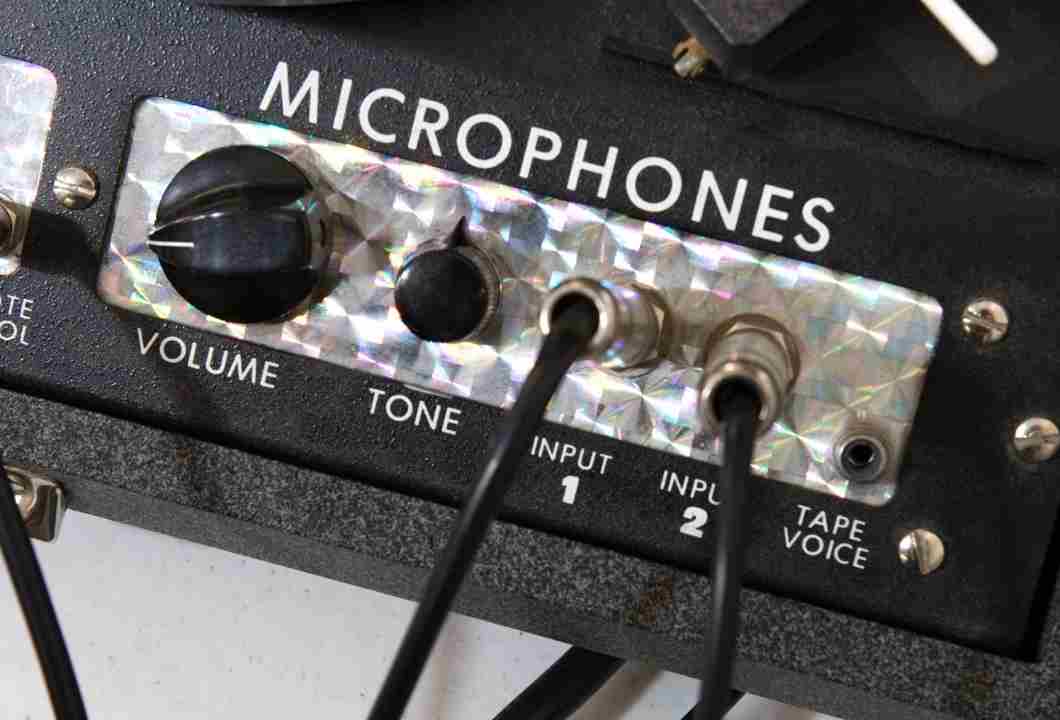
A failing left or right channel is one of the most common—and most frustrating—complaints in vintage audio. One day your turntable sounds wide and balanced; the next, the image collapses to one side, or a channel drops in and out when you touch the headshell. Because the signal path of a turntable is long and …

In the world of vintage audio, few devices generate as much emotional attachment as a turntable. For many owners, it represents not only a way to play records, but also a connection to a specific era of engineering, design, and listening culture. When a unit begins to fail, however, the question that truly matters is …

In the world of vintage audio restoration, few components create as much silent confusion as the headshell. On the surface, it appears to be nothing more than a cartridge carrier. In practice, it is one of the most critical mechanical and electrical interfaces on a turntable. Many tracking problems, channel imbalances, and so-called “mystery distortions” …
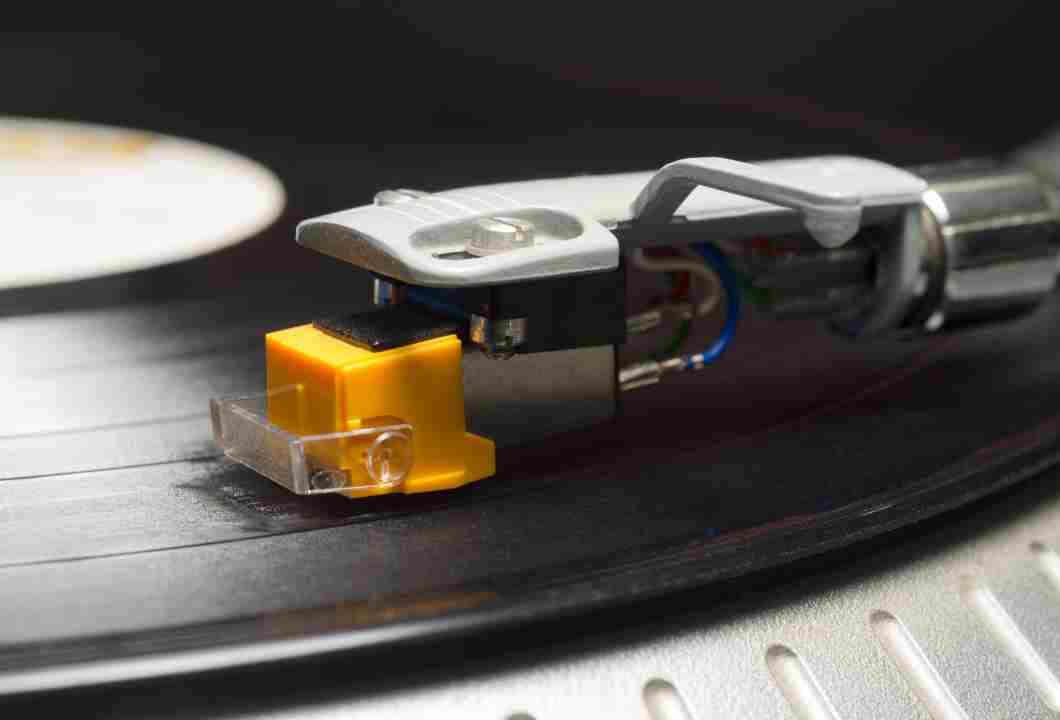
The revival of vintage audio has brought renewed attention to the smallest component in the analog chain and, paradoxically, the one with the greatest influence on sound: the cartridge. In restoration workshops, a recurring question appears whenever a classic turntable reaches the bench: should it run a Moving Magnet (MM) or a Moving Coil (MC) …

Vintage audio restoration often lives in details that most listeners never see. Few components illustrate this better than the belt that drives a belt-drive turntable. At first glance, it looks trivial: a loop of rubber connecting motor and platter. In practice, the belt is a precision element that directly affects speed stability, torque transfer, noise …

Blending a turntable with active speakers and a TV seems straightforward — until the first hum appears, volume levels jump unpredictably, or the sound loses impact. In a vintage audio restoration context, this type of setup is more than a matter of convenience. It is a diagnostic exercise that exposes how signal levels, grounding, and …
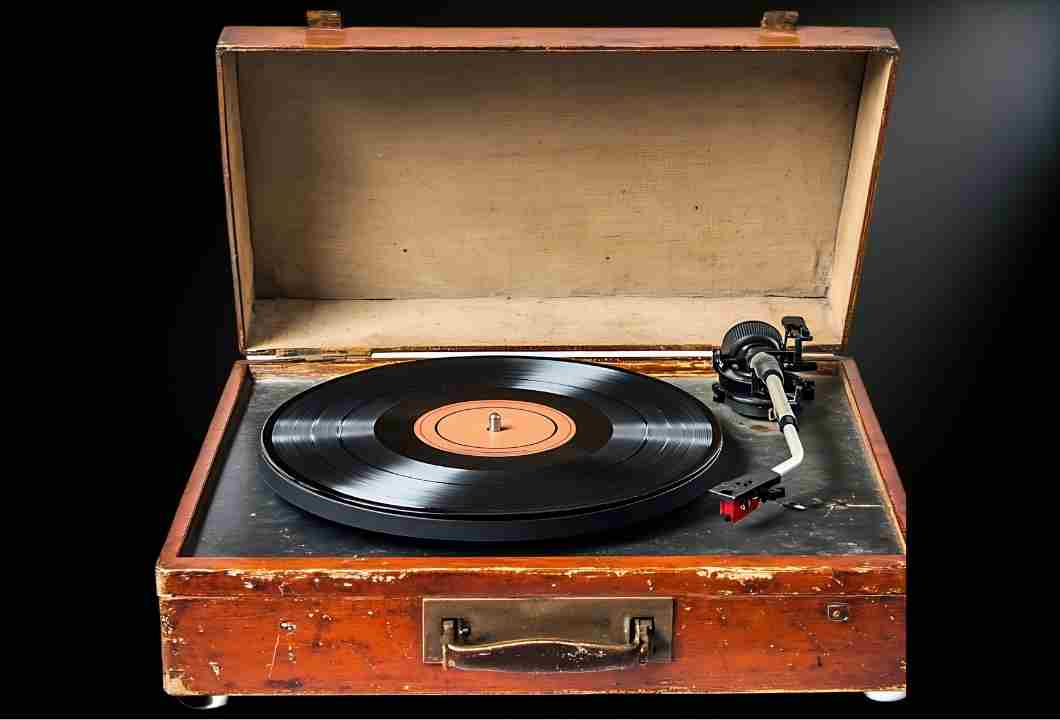
The presence of hum—that persistent, low-frequency rumble heard the moment the system comes alive—is one of the most frequent and misunderstood problems in analog playback. For anyone involved in restoring, servicing, or seriously listening to vinyl, hum is more than an annoyance: it is a signal that something in the system is electrically or mechanically …