
The renewed interest in vinyl has brought many listeners closer to the mechanical beauty of the turntable. Along with that intimacy comes a reality that surprises newcomers and veterans alike: vinyl is not silent. Every groove, every rotation, and every electrical stage introduces some degree of noise.
The challenge is not eliminating noise entirely, but understanding what kind of noise you are hearing. In clinic-level turntable diagnosis, distinguishing between constant hiss and isolated pops is a foundational skill—especially in vintage audio restoration, where normal behavior and actual faults often get confused.
The Nature of Sound in a Mechanical Medium
Unlike digital playback, a turntable reads physical information. A stylus traces microscopic modulations carved into vinyl, converting motion into an electrical signal. This process is inherently sensitive to vibration, contamination, wear, and electrical interference.
Because of that, absolute silence is not a realistic expectation. What matters is recognizing patterns. Noise that is continuous, predictable, and stable has a very different diagnostic meaning from noise that appears suddenly, sharply, and irregularly.
Understanding that distinction prevents chasing problems that do not exist—and missing the ones that do.
Defining the Two Main Categories of Noise
Constant Hiss: The Noise Floor
A constant hiss is a low-level, steady noise that remains present even when no music is playing. It is usually most noticeable between tracks or during very quiet passages.
Typical characteristics:
- Continuous and uniform
- Not synchronized with platter rotation
- Present across multiple records
- Increases with volume
This type of noise almost always originates on the electrical side of the system rather than from the record itself. It represents the system’s noise floor.
Some amount of hiss is normal, particularly in vintage systems that predate modern low-noise components. The key question is not whether hiss exists, but how intrusive it is during normal listening.
Occasional Pops and Clicks: Transient Events
Pops and clicks are short, impulsive noises that occur at specific moments.
Typical characteristics:
- Sudden and brief
- May repeat at the same point on every rotation
- Often reduced by cleaning
- Frequently tied to a specific record
These sounds are usually mechanical or physical in origin, which makes them easier to localize—and often easier to correct.
What Is Considered Normal in Vinyl Playback
Before diagnosing faults, it is essential to define normal behavior.
Acceptable Levels of Constant Hiss
A faint hiss that is only audible when the volume is raised beyond normal listening levels is generally acceptable. Contributing factors include:
- Phono preamp design and component age
- Cartridge output level
- Grounding scheme
- Overall system gain structure
In restored vintage systems, a slightly higher noise floor than modern solid-state gear is expected and does not automatically indicate a fault.
Expected Occasional Pops
Even clean, well-preserved records may produce isolated pops due to:
- Static discharge
- Microscopic debris
- Minor groove wear from past playback
If these noises are infrequent and vary from record to record, they are typically part of the medium rather than a system problem.
When Constant Hiss Indicates a Problem
Constant hiss becomes diagnostic when it intrudes into music at normal listening levels or appears suddenly in a system that was previously quiet.
Common causes include:
Phono Preamp Issues
- Aging capacitors increasing noise
- Incorrect gain for the cartridge type
- Poor power supply filtering
Grounding Errors
- Missing or loose ground wire
- Ground loops between components
- Oxidized connectors
Ground-related hiss often overlaps with symptoms covered in Turntable with Hum (Rumble): How to Identify Whether It’s Grounding, Cable, or Phono Preamp, even when hum itself is not dominant.
Cartridge and Loading Mismatch
- High-output cartridge into excessive gain
- Incorrect impedance or capacitance
In these cases, hiss is an electrical mismatch—not a vinyl problem—and record cleaning will have no effect.
When Pops and Clicks Signal Trouble
While many pops are harmless, certain patterns should not be ignored.
Repeating Clicks Once Per Rotation
A click that repeats with clock-like precision almost always indicates a physical defect:
- Scratch or pit in the groove
- Hardened debris embedded in vinyl
- Damage or flat spot on the stylus
If the click appears at the same point every revolution, the cause is mechanical.
Sudden Increase in Pops Across All Records
When multiple records suddenly become noisy, suspect the playback system:
- Stylus wear or damage
- Incorrect tracking force
- Misadjusted anti-skate
This scenario often intersects with issues explored in How to Identify the Correct Stylus for Your Turntable in 10 Minutes, and continuing playback without diagnosis risks permanent groove damage.
Step-by-Step Diagnostic Process
Step 1: Isolate the Electronics
With the turntable connected but not spinning, raise the volume to a normal listening level.
- Hiss present without rotation → electrical source
- Silence until rotation → likely mechanical or record-related
Step 2: Verify Grounding
- Confirm ground wire integrity
- Clean ground terminals and RCA connectors
- Test alternate grounding points if necessary
Many noise complaints resolve at this stage alone.
Step 3: Compare Records
Play a known clean reference pressing, then a noisier record.
- Noise follows the record → record-related
- Noise remains consistent → system-related
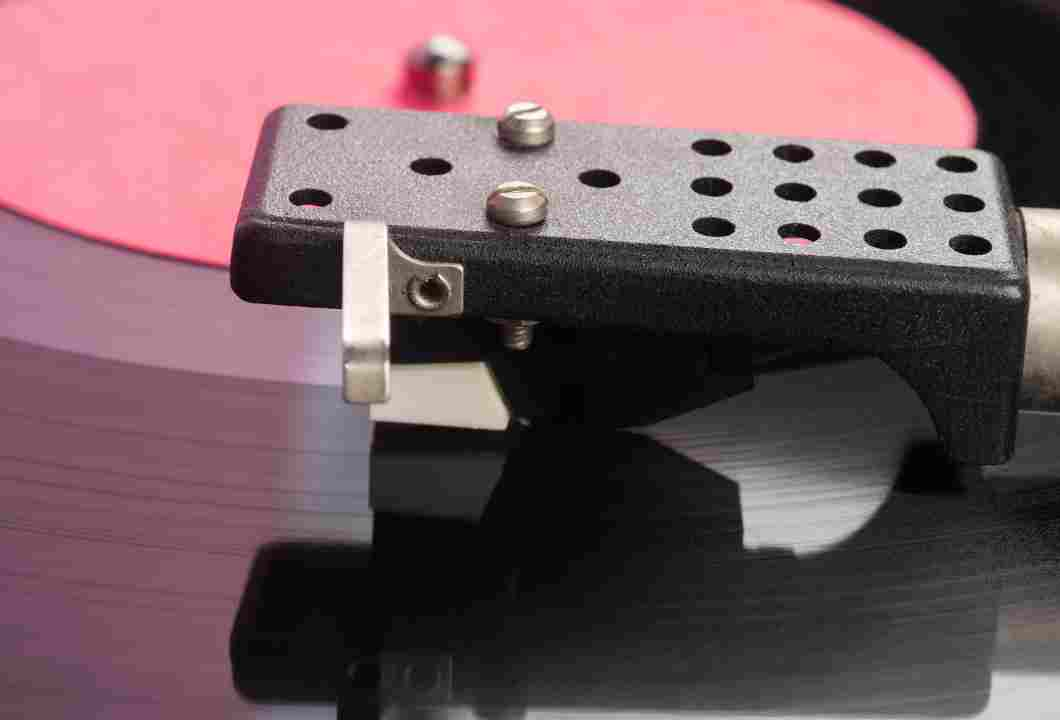
Step 4: Inspect Stylus and Cartridge
- Examine stylus under magnification
- Check for debris, chipping, or uneven wear
- Verify alignment and tracking force
A worn stylus is one of the most common—and most destructive—causes of excessive popping.
Step 5: Evaluate the Phono Stage
- Confirm cartridge type (MM or MC)
- Match gain and loading correctly
- Compare with an alternate phono stage if possible
This step often reveals mismatches rather than outright failures.
Preventive Measures for Long-Term Quiet Playback
Record Care
- Wet clean periodically
- Use anti-static inner sleeves
- Never play visibly dirty records
Stylus Maintenance
- Dry brush after each session
- Use approved cleaning solutions sparingly
- Replace within manufacturer lifespan
Setup Discipline
- Level the platter precisely
- Verify tracking force with a scale
- Set anti-skate accurately
Small errors compound over time into audible problems.
Turntable vs. Record Player: Setting Expectations
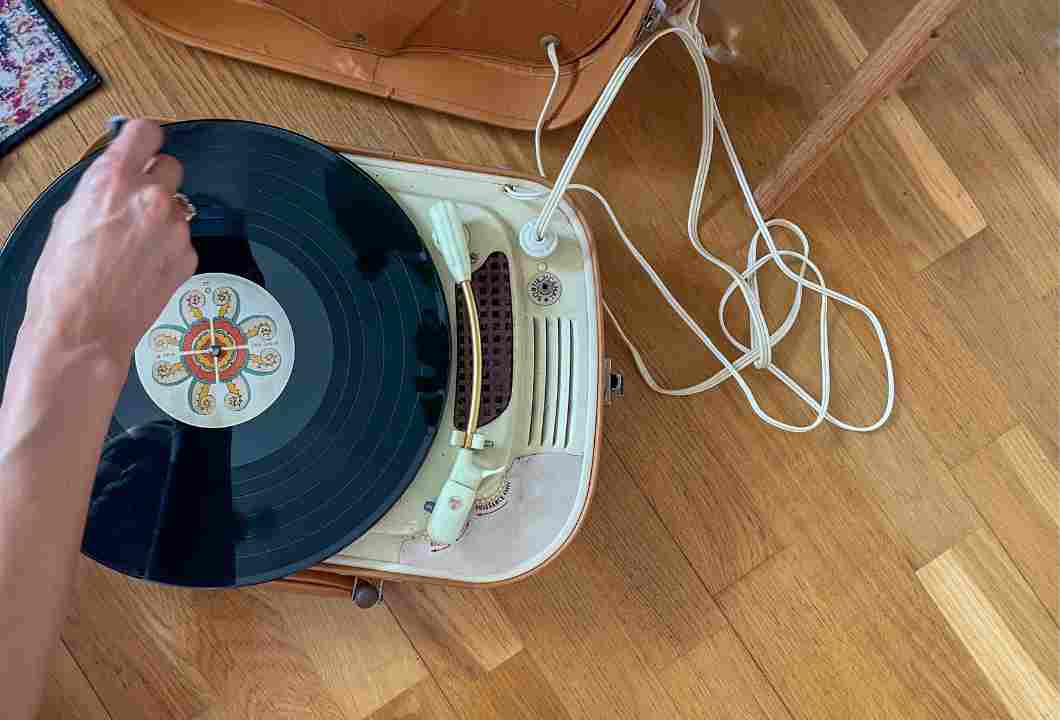
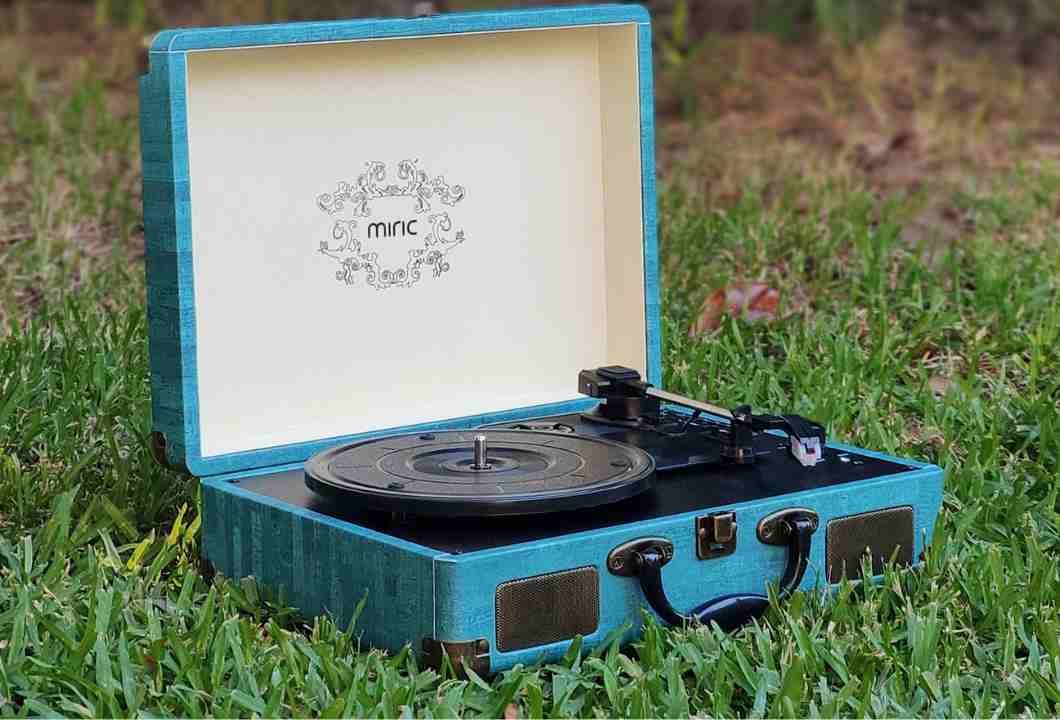
In technical contexts, a turntable refers to a modular, adjustable playback system designed for precision and serviceability. A record player often describes an integrated consumer device with higher noise tolerance and limited adjustment.
Understanding this distinction helps set realistic expectations when diagnosing noise and deciding how far restoration should go.
Listening as a Diagnostic Skill
Perhaps the most underestimated tool in turntable diagnosis is trained listening. Learning whether a noise is electrical or mechanical, constant or transient, random or cyclical, transforms frustration into clarity.
Noise itself is not the enemy. Unidentified noise is.
The Quiet Reward of Understanding
A properly diagnosed turntable does more than reduce noise—it restores confidence. Each record side becomes intentional rather than uncertain. The faint hiss that remains reminds you that music is being physically traced from a groove cut decades ago, while the absence of intrusive pops confirms that the system is healthy, aligned, and respected.
Mastering the difference between what is normal and what is not is the foundation of serious vintage audio restoration—and the moment when listening stops being anxious and starts being deeply satisfying, exactly as vinyl was always meant to be.