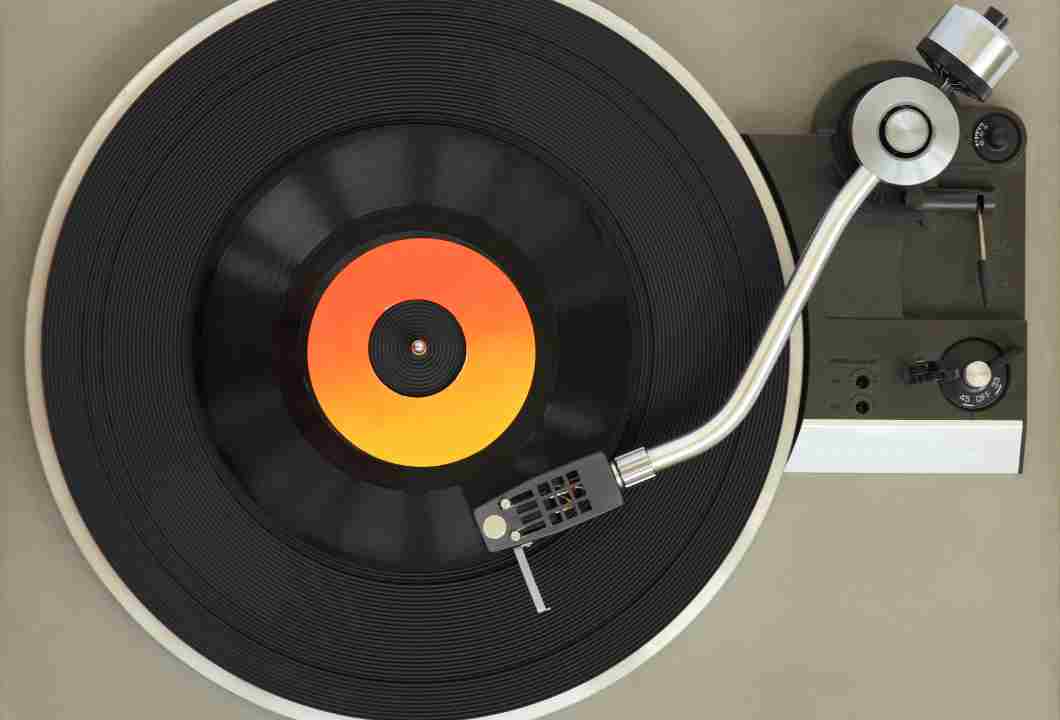

One of the most common questions among vinyl enthusiasts is surprisingly simple:
How long does a turntable stylus actually last?
Some people replace theirs after only a few months. Others continue using the same stylus for years without giving it much thought.
The truth is somewhere in between.
A stylus is a wear item. Every time you play a record, the tiny diamond tip travels through miles of microscopic grooves under significant pressure. Although diamond is an extremely durable material, it does not last forever.
The good news is that stylus wear happens gradually. If you know what to look for, you can replace it before it begins affecting sound quality or causing unnecessary record wear.
In this guide, you’ll learn how long different stylus types typically last, what influences their lifespan, and the warning signs that tell you it’s time for a replacement.
Quick Answer
Most turntable styli last approximately:
- Conical: 300–500 hours
- Elliptical: 500–800 hours
- MicroLine, Shibata, Fine Line and similar profiles: 800–1,200 hours or more
These are only general estimates.
The actual lifespan depends on:
- record cleanliness;
- stylus maintenance;
- tracking force;
- cartridge alignment;
- overall turntable setup.
A clean stylus playing clean records will almost always last longer than one used in poor conditions.
Why Stylus Life Is Difficult to Measure
Unlike a light bulb, a stylus doesn’t suddenly stop working.
Instead, it wears little by little.
At first, the changes are almost impossible to notice.
Then you may begin hearing small differences:
- vocals lose a little clarity;
- cymbals sound less detailed;
- distortion appears on louder passages;
- inner grooves become less clean.
Because the wear is gradual, many people adapt to the sound without realizing anything has changed.
This is why waiting until a stylus sounds obviously bad is rarely the best approach.
What Actually Wears Out?
Many people imagine the diamond tip becoming “blunt.”
In reality, the process is more subtle.
The stylus gradually develops tiny flat contact areas where it meets the groove walls.
As those contact surfaces become larger:
- the stylus traces the groove less accurately;
- distortion slowly increases;
- high-frequency detail begins to disappear;
- groove pressure is distributed differently.
Eventually, continued use may begin causing permanent record wear.
Fortunately, reaching that point usually takes hundreds of hours—not just a few weeks of normal listening.
Average Stylus Lifespan by Profile
Although every manufacturer is slightly different, these ranges are widely accepted.
Conical Stylus
Typical lifespan:
300–500 hours
Conical styli have a simple rounded shape.
Advantages include:
- forgiving setup;
- reliable tracking;
- affordable replacement cost;
- excellent performance on many vintage cartridges.
Because the contact area is relatively small, they generally wear a little sooner than more advanced stylus designs.
Elliptical Stylus
Typical lifespan:
500–800 hours
Elliptical styli contact more of the groove than conical designs.
Benefits include:
- improved detail;
- cleaner high frequencies;
- better channel separation;
- reduced tracing distortion.
Their larger contact area often allows them to last longer while also retrieving more musical information.
MicroLine, Shibata and Other Line-Contact Profiles
Typical lifespan:
800–1,200 hours or more
These advanced profiles distribute pressure across a larger section of the groove.
When properly aligned, they usually offer:
- excellent detail retrieval;
- lower groove pressure;
- outstanding inner-groove performance;
- very long service life.
However, these benefits depend on accurate setup.
Poor alignment can shorten their lifespan considerably.
What Has the Biggest Effect on Stylus Life?
Playing time is only one factor.
Several other things influence how quickly a stylus wears.
Record Cleanliness
Dirty records are one of the biggest enemies of stylus life.
Dust and microscopic debris increase friction between the stylus and the groove.
Instead of gliding smoothly, the stylus encounters tiny abrasive particles throughout playback.
Cleaning your records regularly is one of the simplest ways to extend stylus life.
Stylus Cleaning
A stylus collects residue over time.
This buildup can affect:
- tracking accuracy;
- sound quality;
- groove contact.
Cleaning the stylus gently every few listening sessions helps maintain consistent performance.
It also makes inspection much easier.
Tracking Force
Tracking force should always remain within the cartridge manufacturer’s recommended range.
Too much force increases unnecessary pressure.
Too little force can be even worse because mistracking causes the stylus to strike the groove walls instead of tracing them smoothly.
Correct adjustment almost always results in longer stylus life.
Cartridge Alignment
Alignment affects how evenly the stylus contacts both groove walls.
A poorly aligned cartridge may place more pressure on one side of the stylus, causing uneven wear over time.
Good alignment protects both the stylus and your records.
Can Playing Dirty Records Damage the Stylus?
Yes.
A dirty record does more than create clicks and pops.
Dust particles, dried residue, and other contaminants increase friction and force the stylus to work harder than necessary.
While occasional dust is unlikely to ruin a stylus immediately, regularly playing dirty records can shorten its useful life.
Keeping records clean benefits the entire playback system.
Should You Count Hours?
Some collectors keep detailed listening logs.
Most people do not.
Fortunately, you don’t need perfect records.
A simple estimate is usually enough.
For example:
If you listen to records:
- one hour each day;
you will accumulate roughly:
- 365 hours per year.
That means:
- a conical stylus may need replacement after about one year;
- an elliptical stylus may last around two years;
- a MicroLine or Shibata stylus may continue performing well for considerably longer.
These are only guidelines, but they provide a much better reference than simply waiting for obvious problems to appear.
How to Tell When It’s Time to Replace Your Stylus
A stylus rarely fails overnight.
Instead, it slowly becomes less accurate until the changes become noticeable.
Learning to recognize these warning signs helps you replace the stylus before it begins affecting your records.
Common symptoms include:
- increased distortion on vocals;
- harsh “S” sounds (sibilance);
- loss of detail in cymbals and acoustic instruments;
- reduced stereo separation;
- more frequent mistracking;
- increased inner-groove distortion;
- a general feeling that the music has become less natural.
None of these symptoms automatically proves the stylus is worn, but if several appear together, it’s worth inspecting the cartridge and considering a replacement.
Can You See Stylus Wear?
Not easily.
The diamond tip is extremely small.
Under normal room lighting, even a worn stylus often looks perfectly fine.
Professional inspection typically requires:
- a microscope with high magnification;
- proper lighting;
- experience interpreting wear patterns.
For most vinyl enthusiasts, listening for changes and keeping track of approximate playing hours is far more practical than trying to inspect the stylus visually.
Does a Worn Stylus Damage Records?
Unfortunately, yes.
As the contact surfaces wear, the stylus no longer follows the groove exactly as intended.
Instead of tracing the groove cleanly, it may place uneven pressure on the groove walls.
Over time, this can result in permanent groove wear that cannot be repaired.
The important point is that this damage happens gradually.
Replacing the stylus before it becomes excessively worn protects both your records and your cartridge.
Can You Extend Stylus Life?
Absolutely.
Good maintenance makes a noticeable difference.
Simple habits include:
- keeping records clean;
- cleaning the stylus regularly;
- using the correct tracking force;
- checking cartridge alignment;
- avoiding accidental impacts;
- lowering the stylus gently with the cueing lever whenever possible.
These practices reduce unnecessary stress and help the stylus perform consistently throughout its expected lifespan.
Common Mistakes
Many stylus replacements happen either far too early or much too late.
Avoid these common mistakes:
- waiting until the sound becomes obviously distorted;
- assuming a stylus lasts forever because it has a diamond tip;
- cleaning the stylus aggressively;
- touching the cantilever with your fingers;
- using an unknown second-hand stylus without replacing it.
If you purchase a used turntable and have no reliable information about the stylus history, replacing it is usually the safest choice.
A Quick Maintenance Checklist
Every few weeks:
✓ Inspect the stylus for visible dust.
✓ Clean it using a proper stylus brush or cleaning gel.
✓ Listen for any changes in sound quality.
Every few months:
✓ Confirm tracking force.
✓ Verify cartridge alignment if the headshell has been removed.
✓ Estimate total playing hours.
Keeping a simple maintenance routine is far easier than trying to recover from damaged records later.
Frequently Asked Questions
Can a stylus last longer than 1,200 hours?
Sometimes.
High-quality line-contact styli used with clean records and proper setup may exceed that figure.
However, replacing the stylus slightly early is usually far less expensive than replacing worn records.
Should I replace the stylus even if it still sounds good?
If the estimated playing hours are well beyond the manufacturer’s recommendations, replacement is generally a sensible precaution.
Waiting for obvious distortion often means the stylus has already experienced significant wear.
Is an expensive stylus always more durable?
Not necessarily.
Stylus lifespan depends on:
- profile;
- material quality;
- alignment;
- tracking force;
- maintenance.
Price alone does not determine longevity.
What if I bought a used turntable?
Unless the previous owner can accurately document the stylus history, assume its condition is unknown.
Replacing the stylus provides peace of mind and protects your records from unnecessary risk.
Final Thoughts
A stylus is one of the smallest parts of a turntable, but it has one of the biggest responsibilities.
Every record you play depends on that tiny diamond tracing the groove accurately and consistently.
Fortunately, stylus wear is predictable.
By keeping your records clean, maintaining the cartridge correctly, and replacing the stylus before excessive wear develops, you can enjoy thousands of hours of reliable playback while preserving your vinyl collection.
Think of stylus replacement as preventive maintenance rather than an unexpected repair.
A new stylus costs far less than replacing a favorite record that has been permanently damaged by an old one.
Continue Learning
If you’re maintaining your turntable, these guides are a great next step:
- How to Identify the Correct Turntable Stylus in 10 Minutes
- Tracking Force and Anti-Skate: How to Choose Safe Values for Your Cartridge
- How to Clean a Turntable Safely (Without Damaging It)
- Does Playing Records Too Often Damage Them?
- Beginner Turntable Setup Checklist: What to Check Before Playing Records
Together, these guides will help you keep your stylus, your turntable, and your record collection performing at their best for years to come.