
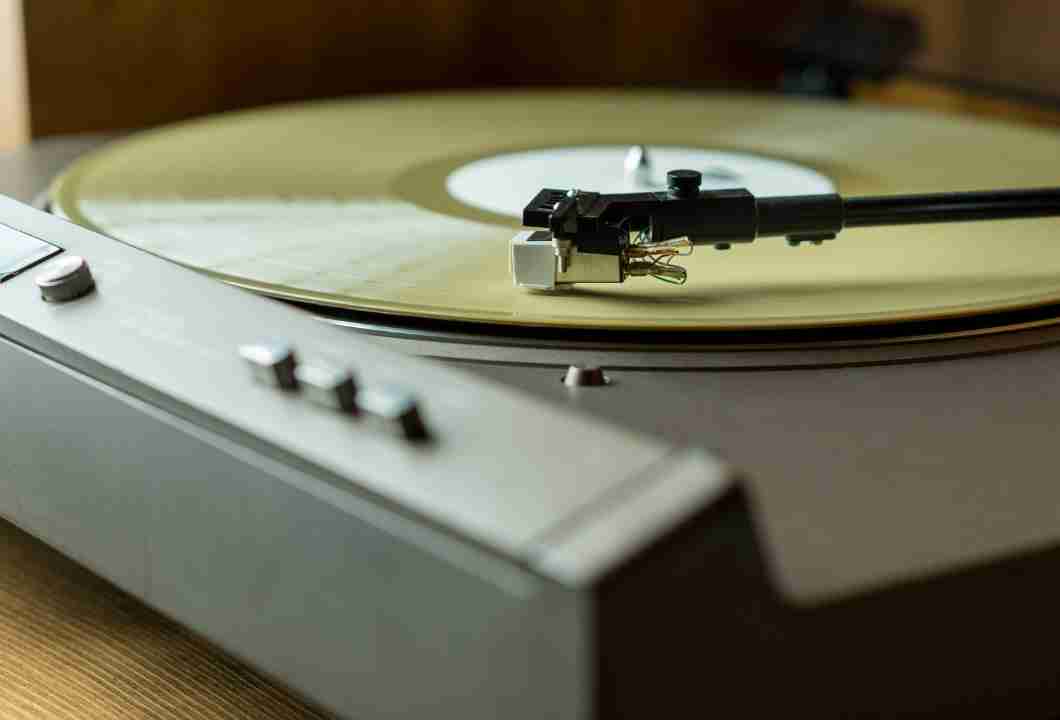
Vintage turntables carry a mechanical intelligence that modern designs often try to rediscover. Their tonearms were engineered in an era when vinyl playback was the primary reference, not a nostalgic afterthought. At the same time, modern cartridge technology has evolved dramatically in materials, stylus profiles, and manufacturing precision. The temptation to combine these two worlds …

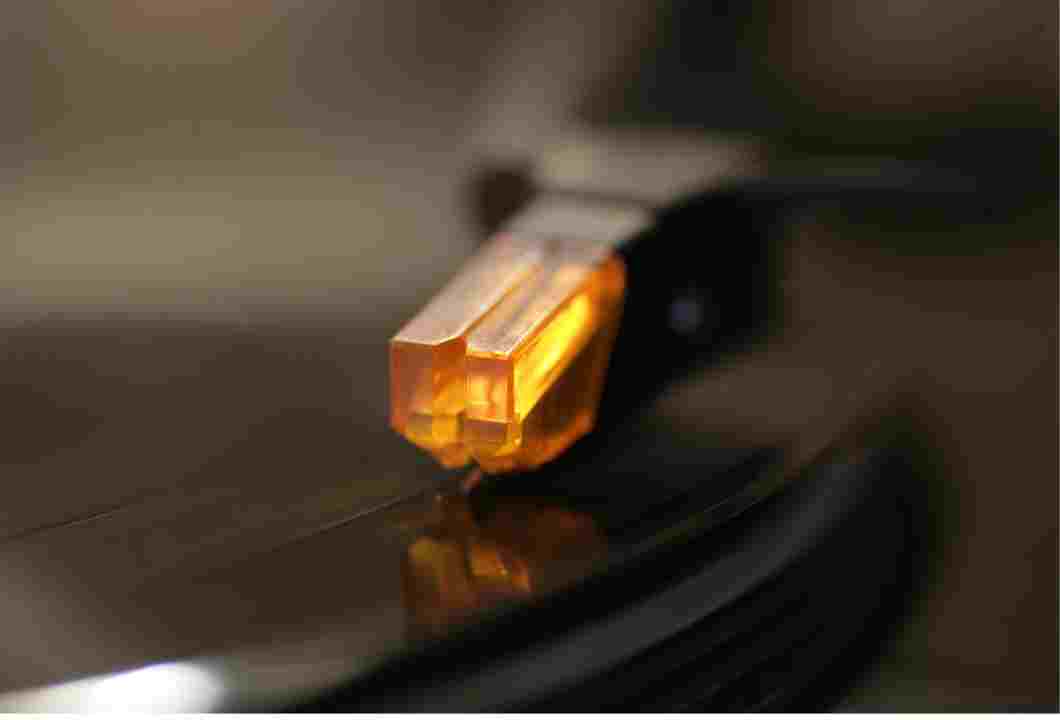
Few things are more frustrating for a vinyl listener than lowering the stylus onto a favorite record and immediately sensing that something is wrong. Bass notes blur together, losing pitch definition and impact. Midrange information—vocals, guitars, pianos—sounds muted and lifeless. On a properly restored turntable, this presentation is not a “vinyl character.” It is a …

How to Avoid Counterfeit Styli and Cartridges: Practical Signs When Buying In the world of vintage audio restoration, few components generate as much confusion—and as many costly mistakes—as the stylus and cartridge. For the serious turntable owner, these tiny parts are not accessories; they are the primary interface between the groove and the sound. A …

The renewed interest in vinyl has brought many listeners closer to the mechanical beauty of the turntable. Along with that intimacy comes a reality that surprises newcomers and veterans alike: vinyl is not silent. Every groove, every rotation, and every electrical stage introduces some degree of noise. The challenge is not eliminating noise entirely, but …
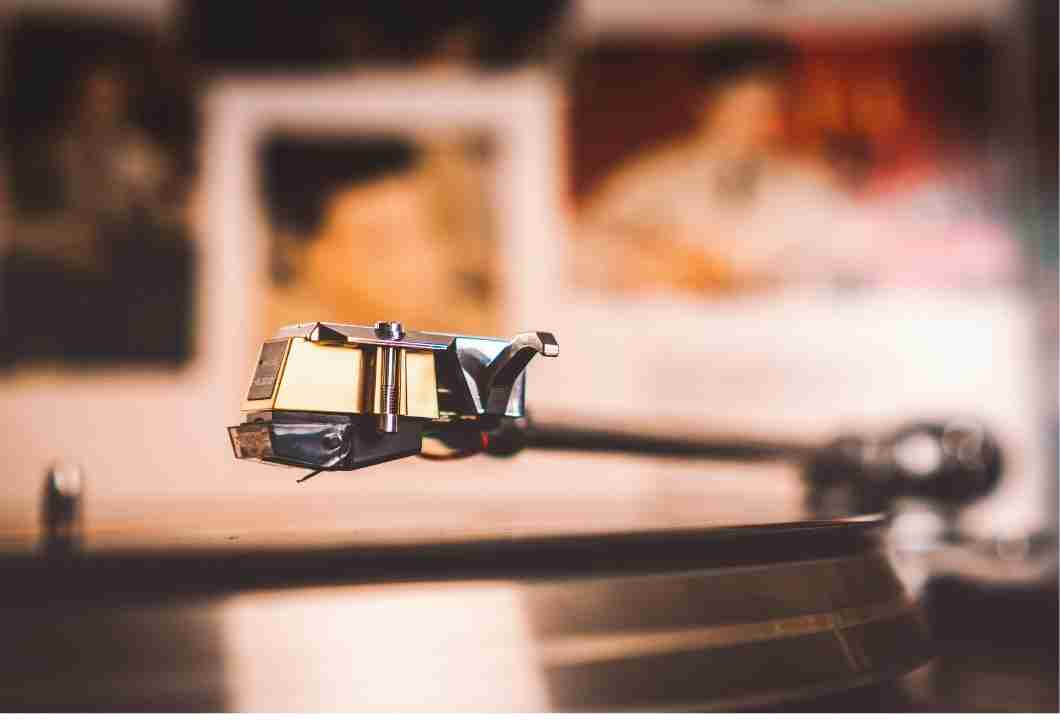
Few things break the spell of vinyl playback faster than unstable speed. A piano chord that gently wavers, vocals that feel seasick, or drums that never quite lock in—these are unmistakable signs that a turntable is failing to maintain accurate rotation. In vintage audio restoration, speed stability is not a refinement or an “upgrade.” It …

The renewed interest in vinyl records has brought many listeners back to the tactile pleasure of placing a record on a turntable, lowering the tonearm, and listening with intention. Along with this revival comes a recurring question in workshops and listening rooms alike: how much cleaning is enough? Vinyl is resilient, but it is not …

A turntable is a precision electromechanical system disguised as a simple pleasure machine. When it performs well, it disappears and leaves only the music. When a single component drifts out of tolerance, the entire experience collapses—speed instability, mistracking, hum, or complete silence. In both professional restoration workshops and serious home setups, downtime is rarely caused …

Vinyl collections tend to grow quietly. One turntable is restored, a cartridge is upgraded, a few test records arrive on the bench — and suddenly shelves, drawers, and storage boxes are full. For collectors and technicians working with vintage audio, an unstructured collection quickly becomes a practical problem. Records get duplicated, condition is misjudged, and …

Vinyl playback can feel unusually “alive,” but it also exposes a limitation that digital formats never have to confront: the stylus must trace a shrinking circle of increasingly dense information with the same stability it had at the outside edge. When that stability breaks down, the end of the side becomes the trouble zone. Inner …

In the workshop of a vintage audio restorer, few topics generate as much confusion as cabling. Some owners arrive convinced that a new set of wires will unlock hidden detail, cure hum, or finally make a cherished turntable “come alive.” Others dismiss the subject entirely as audiophile folklore. In practice, neither extreme holds up. Cabling …