
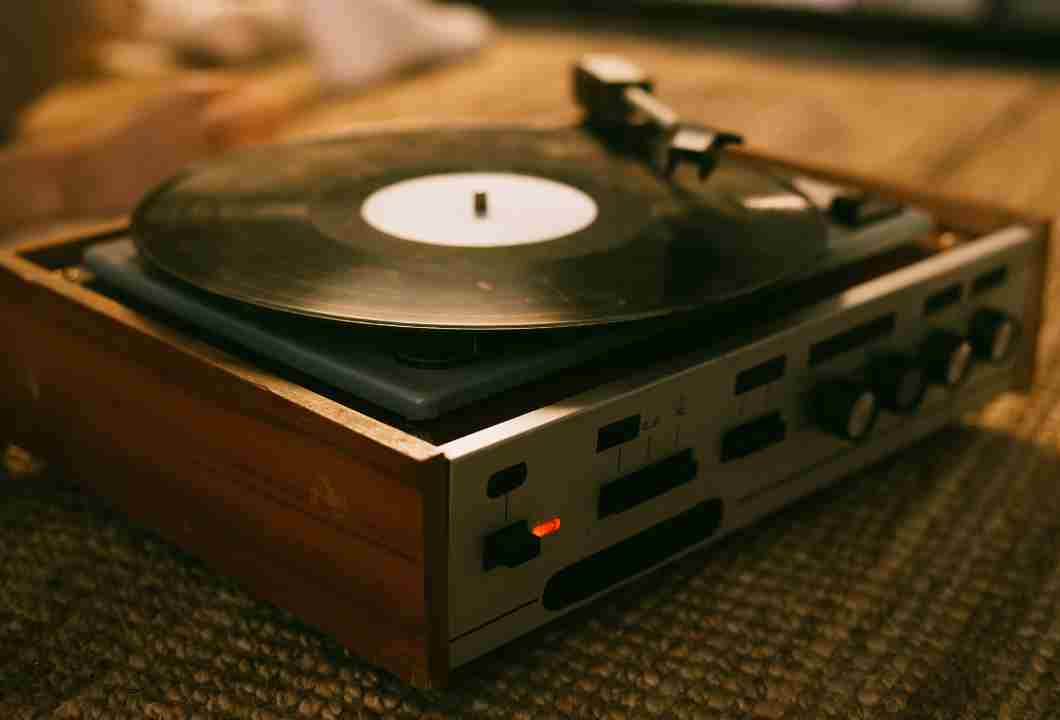
Usage, Rest, and Real Wear Over the Years Vinyl listening sits at the intersection of mechanics, materials science, and ritual. For anyone restoring, servicing, or preserving vintage audio systems, understanding how a turntable interacts with records over time is not optional — it is foundational. Questions about “overplaying” records surface constantly in workshops, listening rooms, …

Restoring and upgrading a vintage turntable is often driven by good intentions. The logic seems simple: replace older components with newer or more expensive ones and the sound should improve. Yet, in clinical practice within turntable diagnosis and repair, the opposite happens more often than many enthusiasts expect. Certain upgrades that look “obvious” on paper …
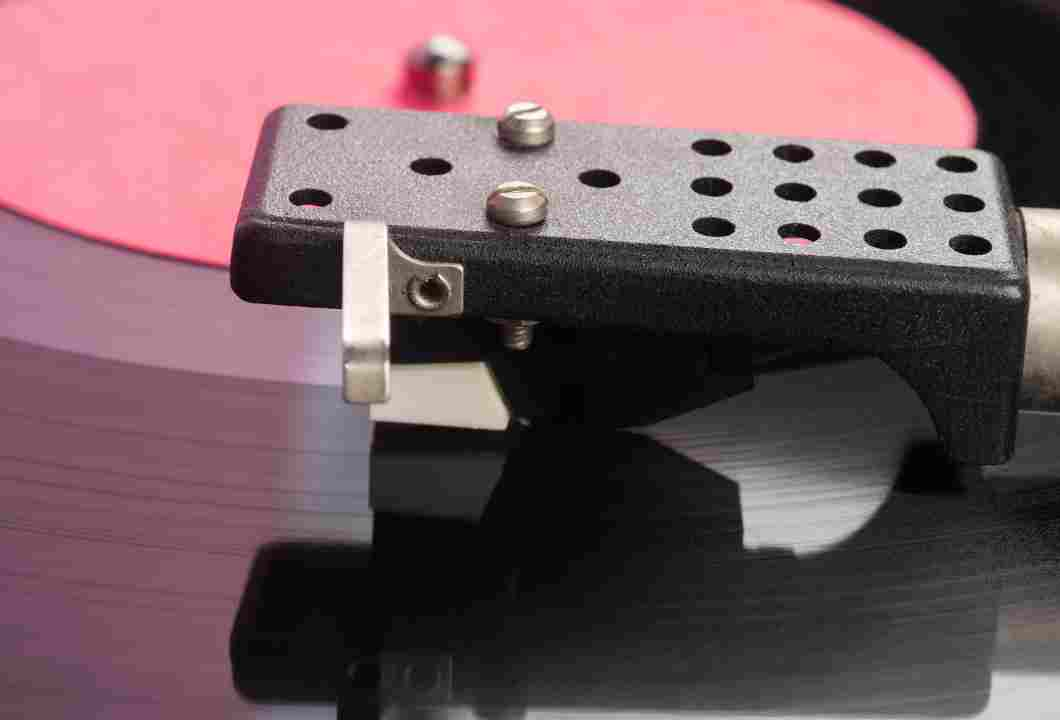
You power up the turntable, everything seems fine, and then someone turns on a lamp, a TV, a powered speaker, a laptop charger, or even the refrigerator cycles—and suddenly you hear a buzz, hum, or crackling that wasn’t there a moment ago. If the noise appears specifically when other appliances switch on or off, the …
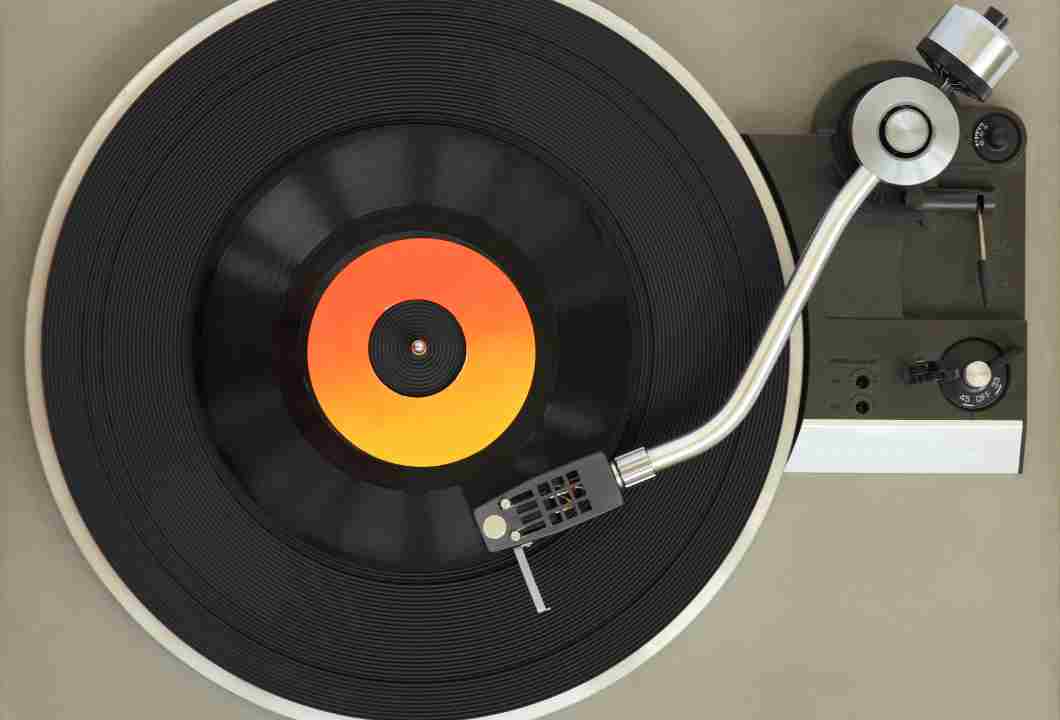
The search for clean power is a recurring theme among vinyl enthusiasts, restorers, and technicians who work daily with vintage audio systems. Hum, buzz, voltage instability, and interference are very real problems in modern electrical grids, especially when paired with sensitive analog equipment. At the same time, many experienced listeners have learned — often through …
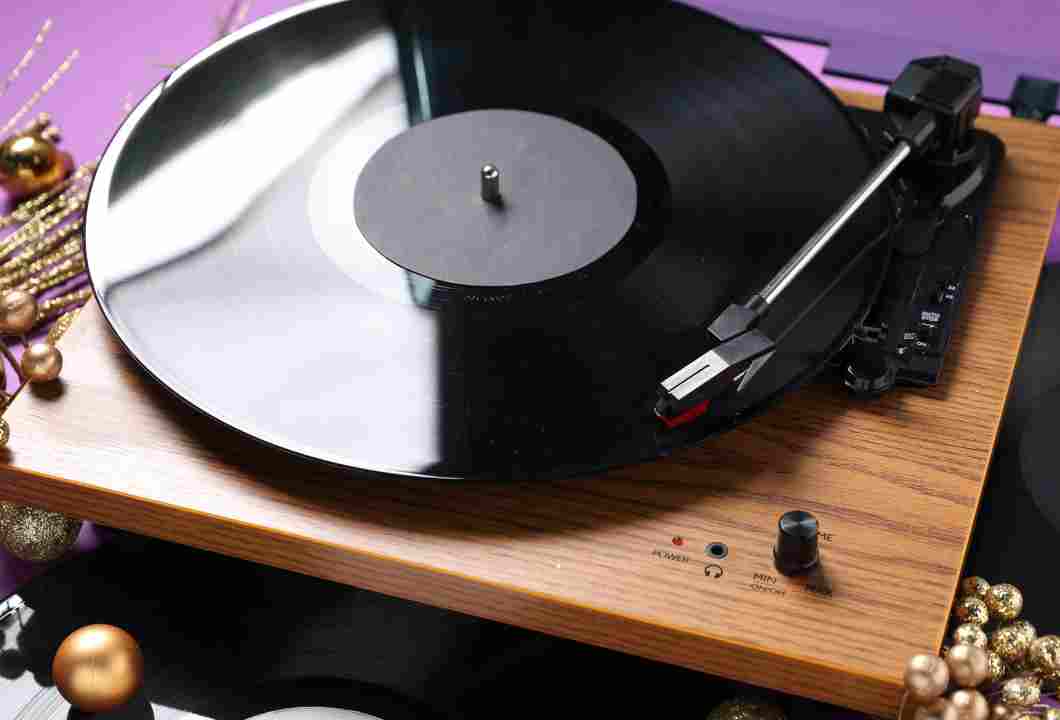
Vinyl playback is a mechanical conversation between diamond, groove, and time. On a well-set turntable, that conversation can sound intimate and revealing—or worn, distorted, and unforgiving. Stylus shape sits at the center of this dialogue. For anyone restoring vintage audio systems or diagnosing playback problems in classic collections, understanding how elliptical, conical, and microlinear styli …
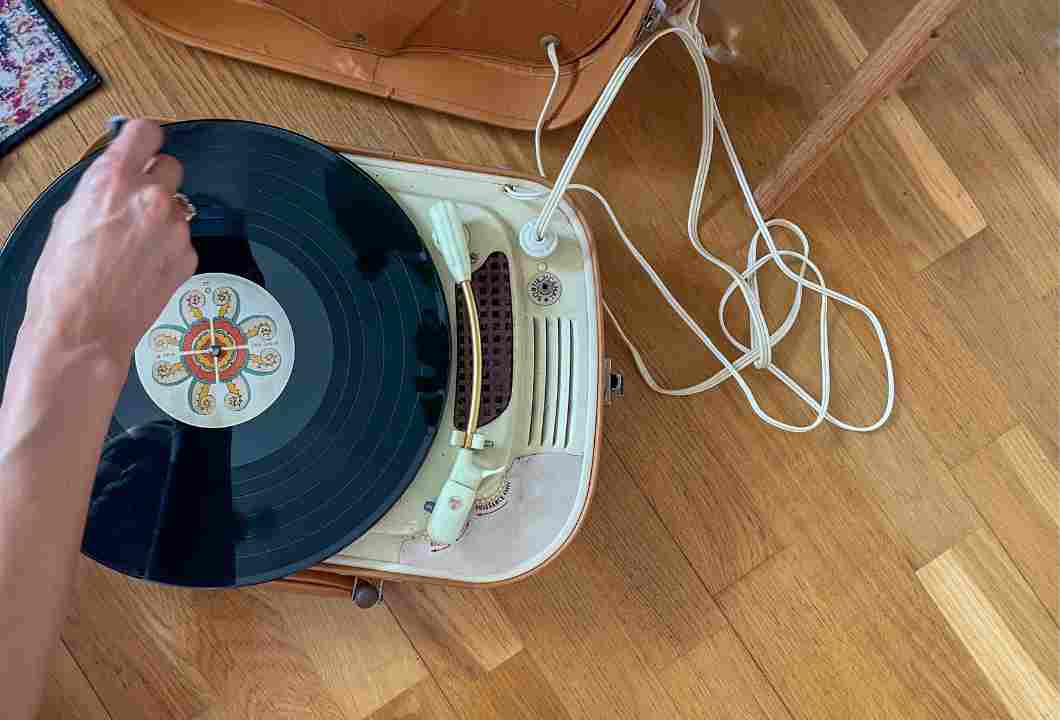
Few things are more frustrating for a vinyl listener than a turntable that starts a session quietly and, after a short time, begins producing crackles, pops, or intermittent noise. The record may be clean, the stylus may look fine, and the system may have passed every quick test—yet the noise creeps in as minutes go …
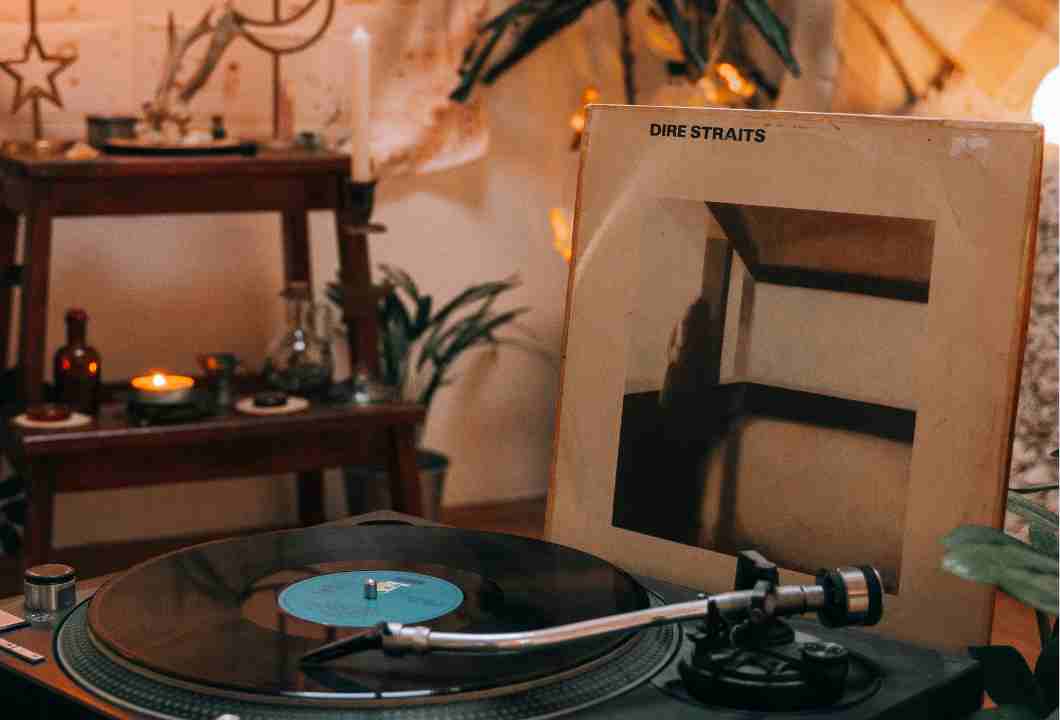
Working from home has changed how many enthusiasts interact with their audio systems. Laptops, external monitors, chargers, routers, and LED lighting now share the same space as carefully restored vintage gear. For those who value analog fidelity, this coexistence can be challenging. A turntable is, by nature, an extremely sensitive electromechanical system. The modern home …
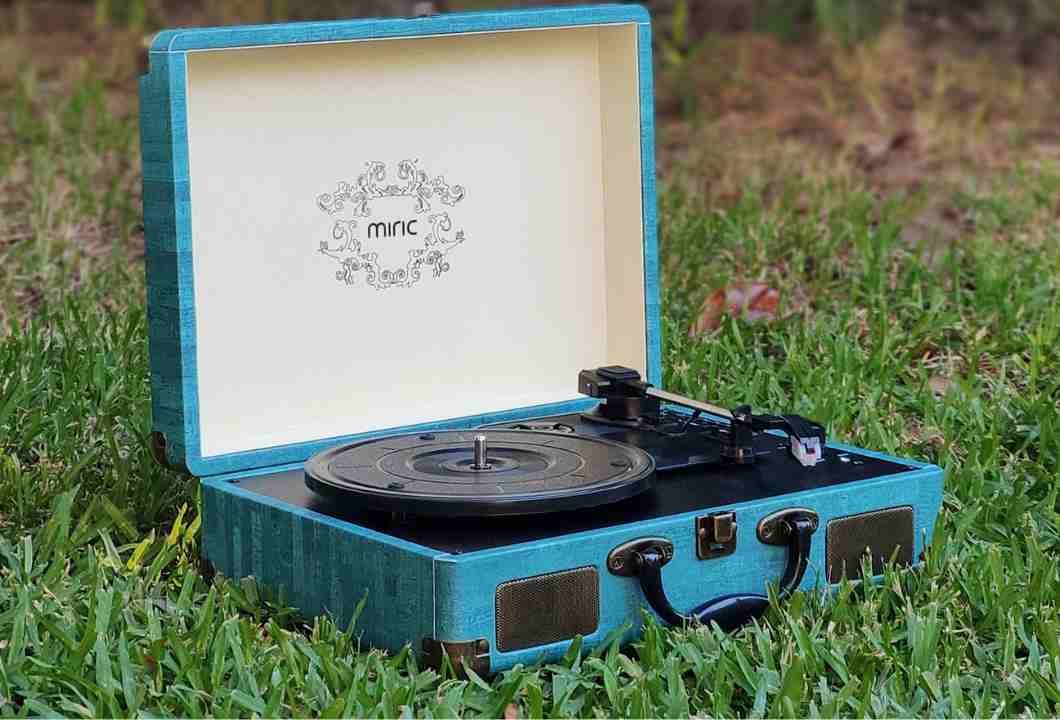
Anyone who restores or services a turntable long enough eventually hears a familiar complaint: “The cartridge is good, the records are clean, but the sound feels wrong.” Sometimes it is dull and lifeless. Sometimes it is sharp and fatiguing. Often, nothing seems obviously broken. This is where impedance and capacitance quietly step onto the stage—not …
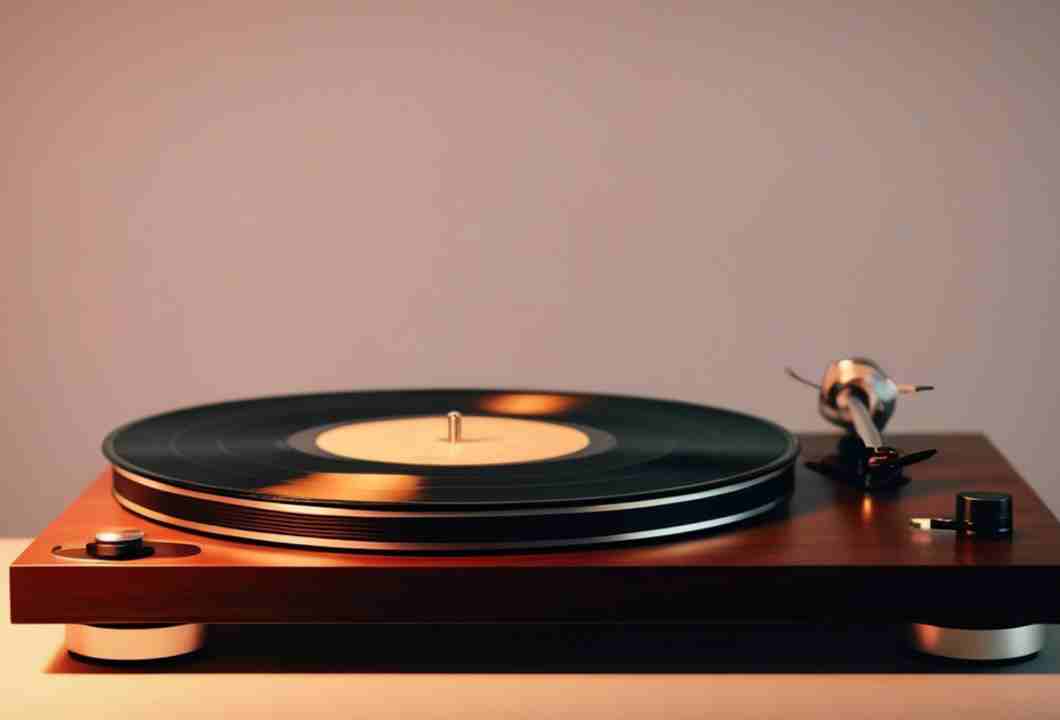
In the world of vintage audio restoration, few complaints are as deceptively simple—and as technically revealing—as the listener who insists the record is flawless, the stylus is new, and yet the sound remains dull, congested, and lacking air. When a turntable consistently delivers a “closed” or veiled presentation even with high-quality pressings, the issue is …
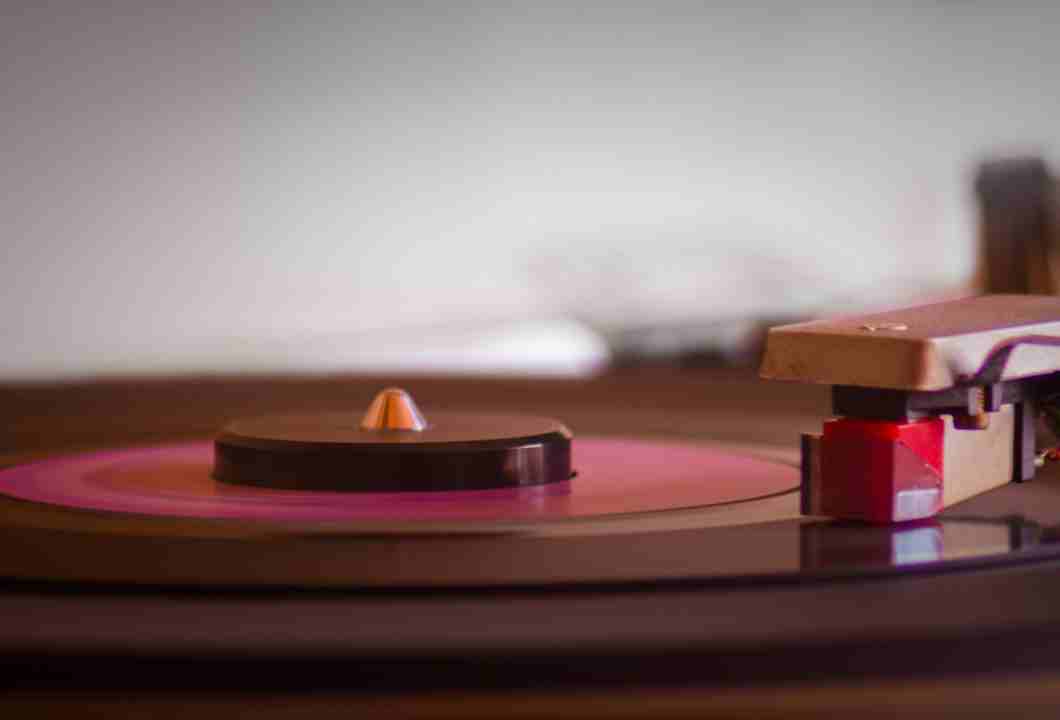
Living in an apartment with floating floors can feel like the ideal balance between comfort and modern design — until a carefully restored turntable starts reacting to every footstep as if it were measuring tectonic activity. For enthusiasts of vintage audio, this situation is frustratingly common. The issue is rarely the turntable itself, nor the …