One of the most common questions among vinyl enthusiasts is surprisingly simple:
Can you play a record too often?
It is an understandable concern. Unlike digital music, vinyl playback involves physical contact. Every time the stylus traces the groove, pressure is applied to the record, leading many people to assume that frequent listening inevitably causes damage.
Fortunately, the reality is far less alarming.
In a properly adjusted system, records are remarkably durable. Most audible vinyl wear is not caused by enjoying an album repeatedly—it is caused by poor setup, worn styli, dirty records, or playback equipment that is not performing as it should.
In other words, how you play a record matters far more than how often you play it.
With a healthy stylus, correct tracking force, proper cartridge alignment, and clean records, a vinyl collection can provide excellent sound quality for decades.
Quick Answer
Playing a record frequently does not automatically damage it.
In most cases, premature vinyl wear is caused by a worn stylus, incorrect tracking force, poor cartridge alignment, dirty records, or mistracking—not by the number of times the record has been played.
A well-maintained turntable is surprisingly gentle on records.
Why Vinyl Wears at All
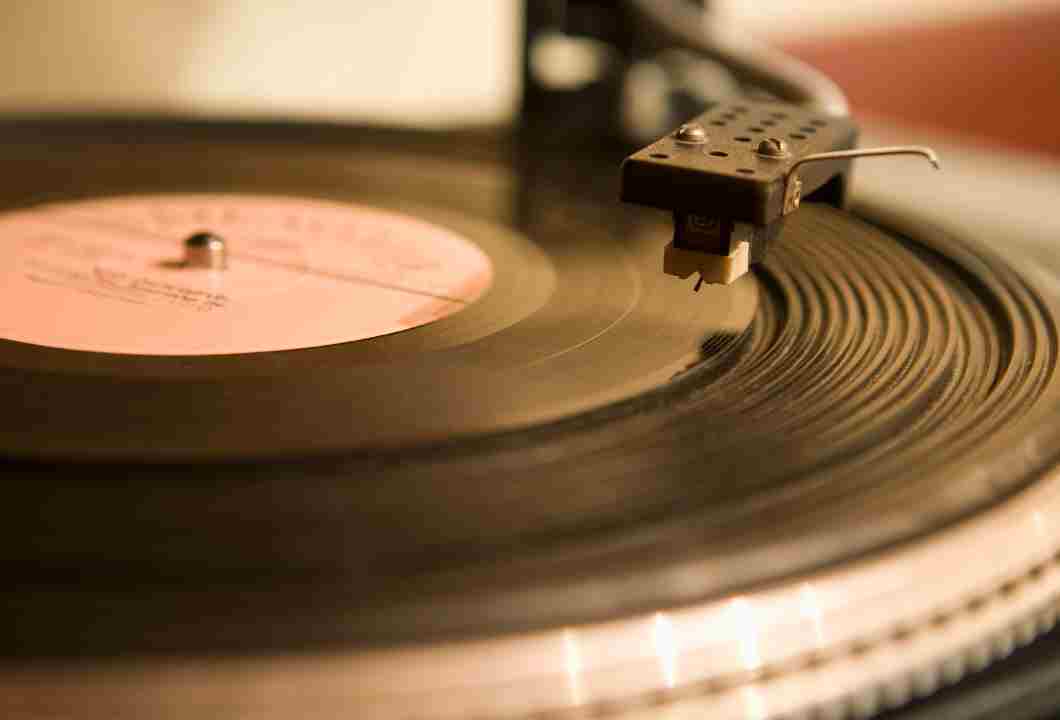
Every record playback creates physical contact between the stylus and the groove.
That contact generates pressure and a very small amount of heat.
This is completely normal and was considered during the design of the vinyl format.
The important question is not whether contact occurs—it always does—but whether the stylus is following the groove accurately.
When everything is adjusted correctly, the stylus traces the groove smoothly with minimal stress.
Problems begin when something in the playback chain is no longer working as intended.
What Actually Causes Record Wear?
Contrary to popular belief, simply listening to records is rarely the problem.
The biggest causes of premature groove wear are usually:
- a worn stylus
- incorrect tracking force
- poor cartridge alignment
- dirty records
- debris stuck to the stylus
- mistracking
- poorly adjusted playback equipment
Notice that none of these involve the number of times the record has been played.
A clean record played hundreds of times on a properly adjusted turntable may remain in excellent condition, while another record can suffer permanent damage after only a few plays on poorly maintained equipment.
OneBrightGuide Tip
Many people blame vinyl itself for wearing out quickly when the real cause is an overlooked setup problem. Regular maintenance protects records far more effectively than limiting how often you listen to them.
Is There a Safe Number of Plays?
There is no universally accepted limit.
A record is not designed with a maximum number of safe plays.
Instead, its lifespan depends almost entirely on playback conditions.
A properly maintained system can play the same record hundreds—and sometimes many hundreds—of times before noticeable wear becomes audible.
By contrast, an incorrectly adjusted turntable can begin damaging grooves much sooner.
This is why asking “How many times can I play a record?” is not particularly useful.
A better question is:
“Is my turntable treating the record correctly every time I play it?”
That answer tells you far more than any play counter ever could.
Do Records Need to “Rest” Between Plays?
This is one of the oldest myths in the vinyl hobby.
You may have heard that records should rest for several hours—or even a full day—before being played again.
The idea comes from early discussions suggesting that the groove temporarily deforms under the pressure of the stylus and needs time to recover.
There is some scientific basis for the fact that the groove experiences tiny elastic deformation during playback.
However, under normal listening conditions, modern vinyl recovers extremely quickly.
There is no practical evidence that waiting many hours between plays provides meaningful protection when the system is properly adjusted.
For everyday listening, replaying the same record later that day—or even more than once during a listening session—is generally not harmful.
The condition of the playback system remains far more important than the time between plays.
When Repeated Playback Becomes a Problem
Repeated listening becomes risky only when the turntable already has a problem.
Examples include:
- a worn stylus
- excessive tracking force
- insufficient tracking force causing mistracking
- poor cartridge alignment
- dirty records
- contaminated stylus
Under these conditions, every additional play increases unnecessary groove wear.
The solution is not to stop enjoying your records.
The solution is to correct the playback system.
Why Stylus Condition Matters So Much
If there is one component that deserves regular attention, it is the stylus.
The stylus is designed to fit the groove with remarkable precision.
As it wears, its contact surfaces gradually change shape.
Instead of tracing the groove cleanly, a worn stylus may begin scraping or deforming the groove walls.
Unlike dust or fingerprints, this type of damage cannot be cleaned away.
It becomes part of the record permanently.
For this reason, replacing a worn stylus should be considered routine maintenance—not an optional upgrade.
Typical Stylus Lifespan
Although actual lifespan depends on record cleanliness and setup quality, these are reasonable general guidelines:
| Stylus Type | Approximate Lifespan |
|---|---|
| Conical | 300–500 hours |
| Elliptical | 500–800 hours |
| MicroLine / Line Contact | 800–1,200+ hours |
These estimates assume:
- clean records
- correct tracking force
- proper alignment
- normal listening conditions
Dirty records or poor setup may reduce stylus life considerably.
Common Mistake
Many people continue using the same stylus simply because the music still plays.
Unfortunately, a stylus can become worn long before obvious distortion appears.
Replacing a stylus on time is almost always less expensive than replacing damaged records.
Why Tracking Force and Alignment Matter More Than Play Count
Many people assume that excessive tracking force is the biggest threat to their records.
While too much force can certainly increase wear, too little tracking force can be just as harmful if it causes the stylus to mistrack.
A stylus is designed to maintain continuous, stable contact with the groove. When tracking force is too low—or when the cartridge is poorly aligned—the stylus may briefly lose contact with the groove walls and strike them again with greater force.
This is known as mistracking, and it is far more damaging than properly adjusted playback.
Correct cartridge alignment is equally important.
If the stylus is not sitting in the groove at the intended angle, pressure is distributed unevenly. Over time this can increase distortion, accelerate stylus wear, and place unnecessary stress on the record.
For long-term vinyl preservation, accurate setup is always more important than limiting how often you listen.
A Simple Checklist to Reduce Record Wear
If your goal is to keep your records sounding their best for years, focus on the fundamentals before worrying about play count.
1. Verify Tracking Force
Use a digital stylus force gauge whenever possible.
Counterweight markings are useful, but they should not always be considered perfectly accurate—especially on older turntables.
Follow the cartridge manufacturer’s recommended tracking force range.
2. Check Cartridge Alignment
A correctly aligned cartridge allows the stylus to follow the groove as intended.
If you have never checked the alignment, using an alignment protractor is well worth the effort.
Even small corrections can improve both sound quality and long-term record preservation.
3. Replace a Worn Stylus
Do not wait until severe distortion appears.
If the stylus has reached the end of its expected lifespan—or if its history is unknown—replacement is usually the safest decision.
Think of the stylus as a maintenance item rather than a permanent component.
4. Keep Records Clean
Dust and microscopic debris increase friction between the stylus and the groove.
They also make the stylus work harder than necessary.
Using a carbon-fiber brush before playback and storing records properly are simple habits that make a noticeable difference over time.
5. Keep the Stylus Clean
Even perfectly clean records leave tiny deposits behind.
Inspect the stylus regularly and remove visible debris using a proper stylus brush or another cleaning method recommended by the manufacturer.
A clean stylus tracks more accurately and reduces unnecessary groove wear.
6. Confirm Anti-Skate Adjustment
Anti-skate helps maintain balanced pressure on both groove walls.
A setting that is far from correct can increase uneven stylus wear, channel imbalance, and unnecessary stress on the record.
For most systems, setting anti-skate close to the tracking force provides a reliable starting point.
Why Clean Records Last Longer
Record cleaning is often viewed as a cosmetic task, but it plays a much bigger role than many people realize.
Dust trapped inside the groove can:
- increase friction
- interfere with stylus tracking
- introduce additional surface noise
- contaminate the stylus
- contribute to unnecessary groove wear
A clean record played regularly is almost always safer than a dirty record that is only played occasionally.
Good playback begins long before the stylus touches the groove.
Listening Habits That Actually Protect Your Collection
Healthy playback habits matter far more than limiting listening sessions.
Simple practices that help preserve both records and equipment include:
- using a stylus that is in good condition
- lowering the stylus gently with the cueing lever whenever possible
- allowing the platter to reach full speed before playback
- storing records vertically after use
- keeping records away from excessive heat and direct sunlight
- avoiding sideways movement of the stylus across the record surface
- returning records to clean inner sleeves after listening
None of these habits are complicated, but together they greatly reduce unnecessary wear.
Why the Turntable Matters Too
Not all record-playing equipment treats vinyl equally.
A properly adjusted turntable allows you to control important variables such as:
- tracking force
- cartridge alignment
- anti-skate
- stylus quality
- cartridge compatibility
Many inexpensive all-in-one record players provide little or no adjustment.
That does not automatically mean they will damage records, but they often make it much harder to optimize playback or correct problems if they arise.
This difference explains why two people can own the same album, play it equally often, and see completely different long-term results.
The quality of the playback system matters far more than the number of listening sessions.
So, Should You Worry About Playing Records Too Often?
For most collectors, the answer is no.
Records are designed to be played.
A properly adjusted turntable with a healthy stylus is remarkably gentle, even after years of regular listening.
Instead of worrying about keeping a favorite album on the shelf, spend your effort maintaining the playback system that reads it.
That is where the greatest difference is made.
Frequently Asked Questions
Can I play the same record every day?
Yes. If your turntable is correctly adjusted, your stylus is in good condition, and both the record and stylus are clean, daily playback is not normally a problem.
Is it bad to play the same record twice in a row?
No. Under normal listening conditions there is no practical reason to wait several hours before playing a record again.
Proper setup matters much more than the time between plays.
Which causes more damage: a dirty record or frequent playback?
A dirty record is generally the greater concern.
Dust and debris increase friction, contaminate the stylus, and may contribute to unnecessary groove wear over time.
How can I tell if my stylus is damaging my records?
Common warning signs include increasing distortion, excessive sibilance, mistracking, poor detail, or a stylus with an unknown or very high number of playing hours.
When in doubt, replacing the stylus is usually much less expensive than risking permanent record damage.
Final Thoughts
Vinyl records are meant to be enjoyed—not preserved through fear of using them.
When a turntable is correctly adjusted, the stylus is in good condition, and both the records and playback equipment are kept clean, normal listening causes remarkably little wear.
Most premature record damage comes from neglected maintenance rather than enthusiastic listening.
Instead of counting how many times you’ve played a favorite album, focus on keeping your turntable in good condition, replacing the stylus when necessary, and maintaining healthy playback habits.
Do that consistently, and your records can continue delivering excellent sound for many years to come.
Continue Learning
To help protect both your records and your turntable, these guides are recommended next:
- Beginner Turntable Setup Checklist: What to Check Before Playing Records
- How to Clean a Turntable Safely (Without Damaging It)
- Tracking Force and Anti-Skate: How to Choose Safe Values for Your Cartridge
- How to Identify the Correct Turntable Stylus
- Vinyl Cleaning Without Excess: A Routine That Preserves and Prevents Wear