Choosing a stylus for a vintage turntable is not just about getting more detail. It is also about protecting old records, matching the cartridge correctly, and avoiding sound problems that come from using the wrong stylus for the wrong setup.
This is especially important with older vinyl. Many vintage records have already been played for decades, sometimes on heavy-tracking record players or poorly adjusted turntables. In that context, stylus shape matters more than many people realize.
A stylus can make a system sound smoother, clearer, noisier, harsher, safer, or riskier depending on the record condition and the setup quality.
The three most common types people compare are:
- conical
- elliptical
- microline
Each one has strengths, weaknesses, and better situations for use.
Why Stylus Shape Matters
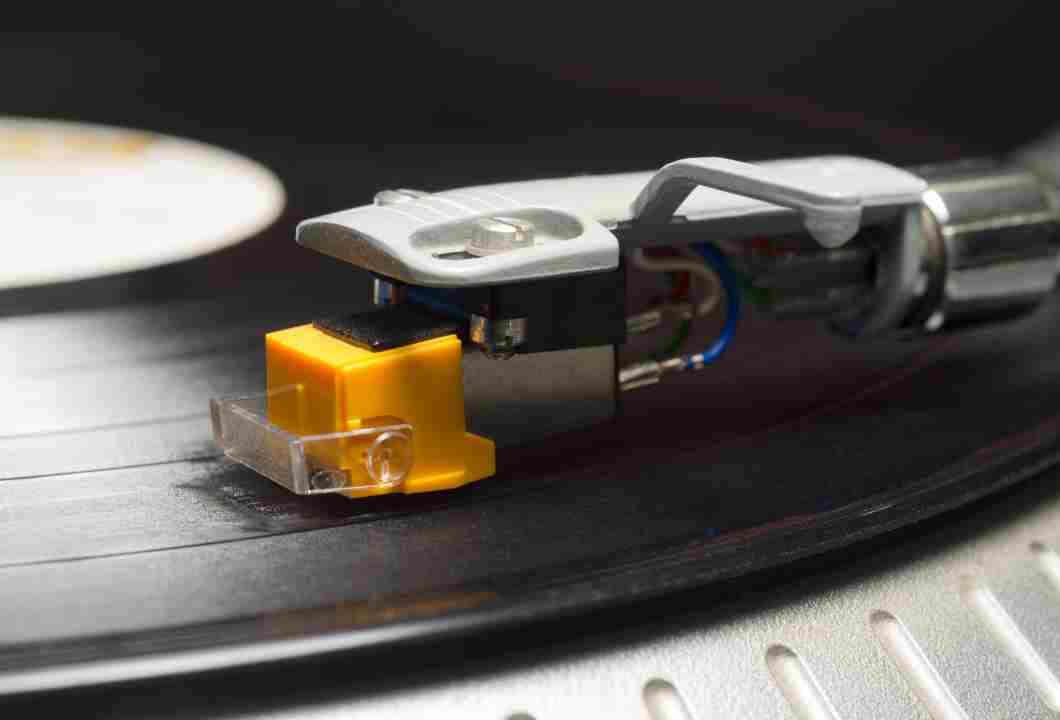
A stylus sits in the record groove and traces the musical information pressed into the vinyl. The shape of that stylus determines:
- how deeply it sits in the groove
- how much groove area it touches
- how pressure is distributed
- how sensitive it is to alignment problems
- how much detail it can retrieve
That means stylus shape affects both sound quality and record safety.
On a modern, clean, well-preserved record, this already matters. On a vintage record with unknown history, it matters even more.
Conical Stylus: The Safest Starting Point for Many Old Records
A conical stylus, also called spherical, has a simple rounded tip. It touches the groove walls at two relatively small points and generally rides a little higher in the groove than more advanced stylus shapes.
This is one reason it has remained useful for older records and vintage systems.
How a conical stylus usually sounds
A conical stylus often sounds:
- smooth
- forgiving
- slightly softer in the treble
- less aggressive with surface noise
It is usually not the most detailed option, but it can be one of the most comfortable and stable.
Why it can be good for vintage records
A conical stylus is often a smart choice when:
- the record condition is uncertain
- the turntable setup is not yet fully optimized
- the collection includes older or fragile discs
- you want a safer first stylus for testing unknown records
Because it rides a bit higher in the groove, it may avoid some deeper groove damage that more advanced profiles reveal.
Possible downsides
A conical stylus can also have limitations:
- less high-frequency detail
- more inner-groove distortion than advanced stylus shapes
- less precise tracking on demanding passages
Even so, it is often the most forgiving option.
Elliptical Stylus: The Best Balance for Many People
An elliptical stylus has a narrower contact shape than a conical stylus. That allows it to trace groove modulations more accurately, especially in the higher frequencies.
For many listeners, elliptical is the practical middle ground between safety and performance.
How an elliptical stylus usually sounds
When aligned properly, an elliptical stylus often gives:
- better clarity
- improved detail
- stronger channel separation
- cleaner tracking in complex music
Compared with conical, it often sounds more open and more precise.
Why it works well in many systems
An elliptical stylus is often a good choice when:
- you want more detail without going too far
- your records are in decent condition
- your cartridge setup is reasonably accurate
- you want a good all-around upgrade from conical
For many vintage audio systems, this is the most balanced choice.
Possible downsides
Elliptical styli are less forgiving than conical ones.
They can be more sensitive to:
- alignment errors
- worn records
- setup inconsistencies
That means they may reveal both musical detail and playback problems more clearly.
Microline Stylus: Excellent Performance, but Less Forgiving
A microline stylus is a much more advanced shape. It is designed to contact the groove in a way that more closely resembles the cutting stylus used during record mastering.
When everything is set up correctly, it can produce excellent results.
How a microline stylus usually sounds
A good microline stylus can offer:
- very high detail retrieval
- excellent tracking
- reduced inner-groove distortion
- precise stereo imaging
- extended frequency response
In a properly adjusted system, the sound can be impressive.
Why some people choose it
A microline stylus can be a strong option when:
- the records are clean and in good condition
- the turntable is mechanically stable
- cartridge alignment is carefully set
- the user is comfortable with more precise setup
Why it is not always ideal for beginners
A microline stylus is much less forgiving.
It can be more affected by:
- alignment errors
- azimuth issues
- poor vertical tracking angle
- tonearm instability
- worn or damaged grooves
It can also reveal groove damage very clearly, which means old records may sound worse rather than better.
For that reason, it is not always the safest first choice for a vintage collection.
Quick Comparison
Conical
Best for:
- unknown records
- older collections
- forgiving playback
- simpler vintage setups
Main strength:
- safe and tolerant
Main weakness:
- less detail
Elliptical
Best for:
- most general listening
- balanced upgrades
- decent vintage records
- users who want more clarity
Main strength:
- good balance of detail and practicality
Main weakness:
- more sensitive to setup errors
Microline
Best for:
- well-preserved records
- very accurate setups
- users comfortable with careful alignment
Main strength:
- highest tracking precision
Main weakness:
- least forgiving
Which Stylus Is Best for Vintage Records?
There is no single answer for every collection. The best stylus depends on the condition of the records, the quality of the turntable setup, and your actual goal.
Choose conical if:
- the records are old and worn
- you want safer evaluation of unknown vinyl
- the setup is still basic or being restored
- you want smooth, forgiving playback
Choose elliptical if:
- you want a practical upgrade
- your records are in fair to good shape
- your cartridge is aligned properly
- you want more detail without extreme sensitivity
Choose microline if:
- your setup is already very well adjusted
- your records are clean and well preserved
- you want maximum tracking accuracy
- you understand the importance of precise alignment
Common Mistakes When Choosing a Stylus
A lot of problems happen not because the stylus is bad, but because the wrong stylus is used in the wrong situation.
Some common mistakes are:
- assuming more detail always means better sound
- using a microline stylus on a poorly adjusted setup
- ignoring cartridge compatibility
- testing rare records before confirming alignment
- blaming the stylus when the real issue is tracking force or anti-skate
In vintage audio, an “upgrade” can easily become a downgrade if it is not matched to the system properly.
A Practical Way to Decide
If you are unsure, this is the safest approach:
Step 1: Look at the records
Are they clean, well-preserved, and lightly used? Or do they show wear and uncertain history?
Step 2: Evaluate the turntable
Is the tonearm stable? Is the setup accurate? Are tracking force and anti-skate properly adjusted?
Step 3: Think about your goal
Do you want safer playback, more detail, or the best possible tracking?
Step 4: Start conservatively
If the records are valuable or the setup is not fully dialed in, starting with conical or elliptical is often smarter than jumping straight to microline.
Step 5: Test with records you trust
Listen for:
- vocal sibilance
- inner-groove distortion
- surface noise
- harshness
- channel imbalance
These clues tell you whether the stylus is helping or revealing a setup problem.
Final Thoughts
Stylus choice is not just about technology. It is about choosing the right tool for the condition of the records and the quality of the turntable setup.
A conical stylus is often the safest and most forgiving option for vintage records.
An elliptical stylus is usually the best middle ground for many listeners.
A microline stylus can offer excellent performance, but only when the setup and record condition truly support it.
In many vintage systems, the best stylus is not the most advanced one. It is the one that gives the right balance of sound, stability, and long-term record safety.