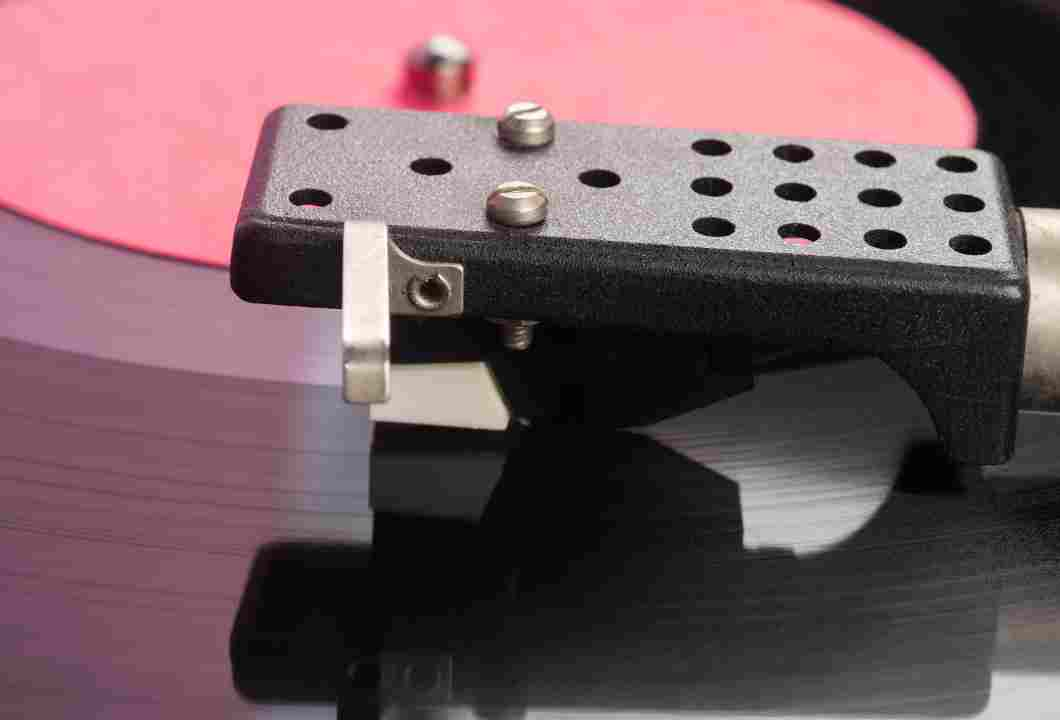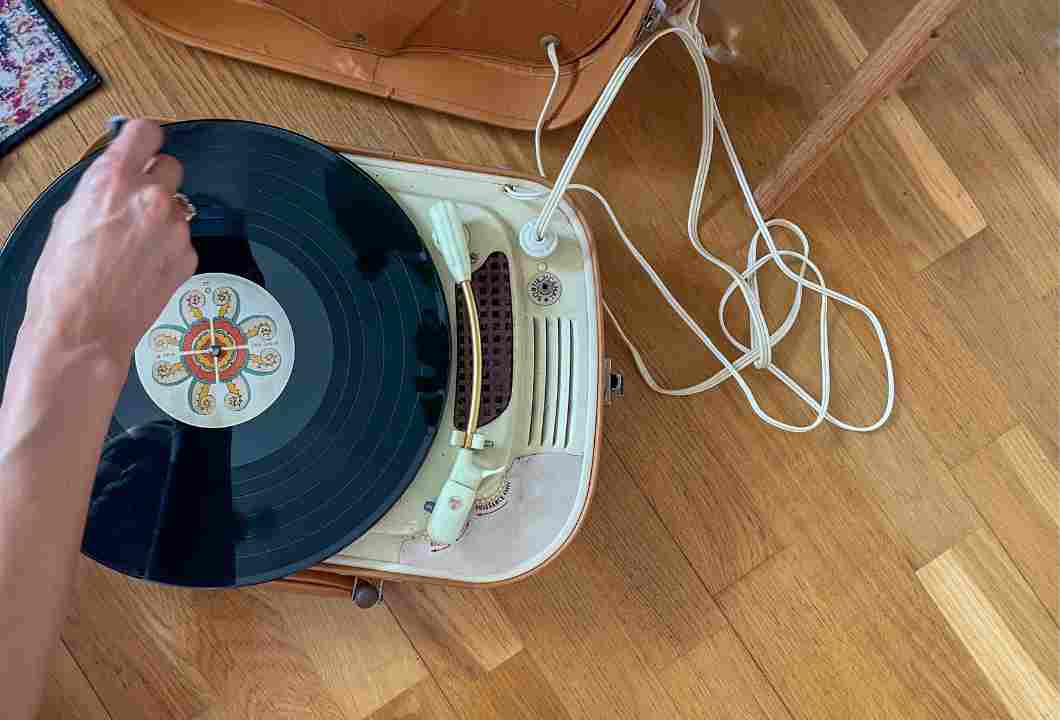

Few things are more frustrating for a vinyl listener than lowering the stylus onto a favorite record and immediately sensing that something is wrong. Bass notes blur together, losing pitch definition and impact. Midrange information—vocals, guitars, pianos—sounds muted and lifeless. On a properly restored turntable, this presentation is not a “vinyl character.” It is a symptom.
In the clinical practice of turntable diagnosis and solution, muddy bass combined with dull mids usually points to two primary suspects: a cartridge that has reached the end of its useful life, or a setup error that prevents an otherwise healthy cartridge from operating correctly. Distinguishing between these two is essential, because replacing parts prematurely or adjusting blindly often compounds the problem instead of solving it.
Defining the Symptoms Correctly
Before touching tools or components, the symptoms themselves must be understood.
Muddy bass is not simply strong bass. It is bass without pitch accuracy—where kick drums smear into bass guitars and low notes linger longer than intended. Dull mids present as reduced vocal presence, softened consonants, and compressed harmonic detail. Together, these symptoms often create the impression that the music is trapped behind a curtain.
This combination is rarely random. Because the turntable is fundamentally a mechanical system, these sonic behaviors usually originate at the cartridge–tonearm interface rather than deeper in the signal chain.
The Cartridge as a Wear Component
A phono cartridge is not a permanent device. Even the best designs rely on materials that degrade with time and use.
Stylus Wear and Its Audible Effects
As the stylus traces the groove, its contact geometry slowly changes. When wear becomes significant, the stylus no longer contacts the groove walls precisely. High-frequency information is the first casualty. As treble detail disappears, bass energy becomes subjectively more dominant, often perceived as bloated or muddy.
Midrange dullness typically follows. Vocal and instrumental textures lose articulation because complex groove modulations are no longer tracked cleanly. This progression is subtle and gradual, which is why many listeners normalize it until the degradation becomes unmistakable.
The importance of confirming stylus condition is explored in How to Identify the Correct Stylus for Your Turntable in 10 Minutes, and in clinical practice it is often the fastest way to rule out irreversible wear.
Suspension Fatigue Inside the Cartridge
Inside the cartridge, the cantilever is supported by an elastomer suspension. Over time, this material can harden, sag, or collapse, altering the cartridge’s compliance. When compliance drifts outside the tonearm’s optimal range, low-frequency tracking suffers first.
The result is bass that sounds thick but imprecise and mids that lose dynamic expression. Because suspension fatigue develops slowly, it is frequently misdiagnosed as a setup issue long after adjustment alone can no longer compensate.
Setup Errors That Imitate Cartridge Failure
One of the most common mistakes in restoration work is assuming that poor sound automatically means a worn cartridge. In practice, incorrect adjustment can produce nearly identical symptoms.
Vertical Tracking Force (VTF)
Tracking force that is too low prevents stable groove contact, leading to diffuse mids and poorly controlled bass. Excessive force overdamps the suspension, reducing transient response and flattening midrange detail.
Even small deviations—on the order of 0.2 grams—can significantly alter tonal balance. This is why precision matters more than approximation.
Vertical Tracking Angle (VTA) and Stylus Rake Angle (SRA)
Incorrect tonearm height changes how the stylus sits in the groove. A tail-down arm geometry often exaggerates bass while suppressing mids and highs, creating a classic muddy presentation.
Subtle but critical geometry interactions like this are addressed indirectly in Headshell and Mounting Standards: Compatibilities No One Explains, where mechanical relationships quietly dictate tonal balance.
Azimuth Errors
If the stylus is not perfectly vertical, one groove wall dominates certain frequencies. The result is collapsed imaging and reduced midrange focus. Rather than sounding like obvious channel imbalance, this often manifests as congestion and lack of clarity.
A Structured Diagnostic Workflow
To avoid unnecessary cartridge replacement, a methodical process is essential.
Step 1: Confirm Mechanical Baselines
Ensure the turntable is level, the platter bearing spins freely, and the tonearm moves without resistance. Mechanical drag or tilt exaggerates low-frequency problems before the signal ever reaches the electronics.
Step 2: Reset Tracking Force Precisely
Use a calibrated digital stylus scale. Ignore counterweight markings. Set VTF to the midpoint of the cartridge’s specified range to establish a neutral reference point.
Step 3: Verify Alignment Geometry
Using a proper protractor, confirm overhang and offset angle. Misalignment disproportionately affects midrange clarity. If vocals regain presence after correction, the cartridge itself is likely still serviceable.
Step 4: Evaluate VTA by Listening
Make small, controlled arm-height adjustments while listening to familiar vocal recordings. Correct VTA restores articulation and separates bass lines. Large improvements here almost always indicate setup error rather than cartridge wear.
Step 5: Inspect the Stylus Under Magnification
At 40× magnification or greater, examine the stylus for flat spots, chips, or asymmetrical wear. Visible wear combined with persistent dullness after setup correction strongly suggests end-of-life.
Electrical Factors That Can Exacerbate the Problem
Although mechanical issues dominate, electrical loading can worsen muddy bass and dull mids. Excessive capacitance at the phono preamp input rolls off high frequencies, making mids seem recessed and bass overly prominent.
This interaction is explored further in How to Choose the Right Phono Preamp for a Vintage Turntable, and it is frequently overlooked when the cartridge itself is blamed too early.
Oxidized headshell contacts or aging tonearm wiring can also introduce resistance and signal loss, compounding congestion and masking detail.
When Replacement Is the Correct Decision
After all adjustments and inspections, some cartridges simply cannot be recovered. A collapsed suspension or severely worn stylus is not a tuning issue—it is an end-of-life condition.
From a restoration standpoint, replacing a cartridge is not a failure. It is a protective decision. Continuing to play records with a compromised stylus risks permanent groove damage—far more costly than responsible replacement.
Why Record Player Myths Persist
Listeners accustomed to casual record players often assume vinyl inherently sounds soft or imprecise. In reality, that impression usually comes from worn or poorly adjusted systems. A properly restored turntable delivers bass with pitch accuracy and mids with realism and presence.
Understanding whether the issue is wear or setup is what separates casual playback from true analog control.
Restoring Clarity and Balance
Muddy bass and dull mids are not mysteries to tolerate. They are diagnostic signals. By approaching them with a clinical mindset—verifying setup before condemning components—you regain authority over the sound.
When the correction is finally made, the transformation feels immediate: bass locks into rhythm, vocals step forward with texture, and the music breathes again. That moment is not magic. It is the result of informed diagnosis and respect for the delicate mechanics at the heart of vinyl playback.
When properly restored and adjusted, a turntable does more than spin records. It reveals them.