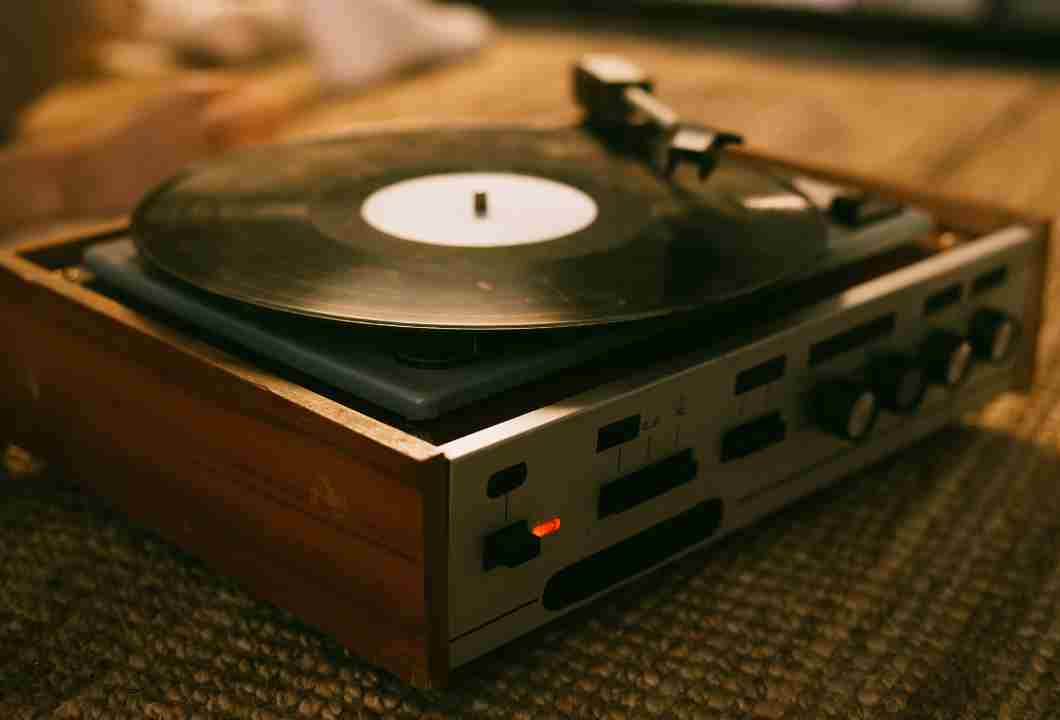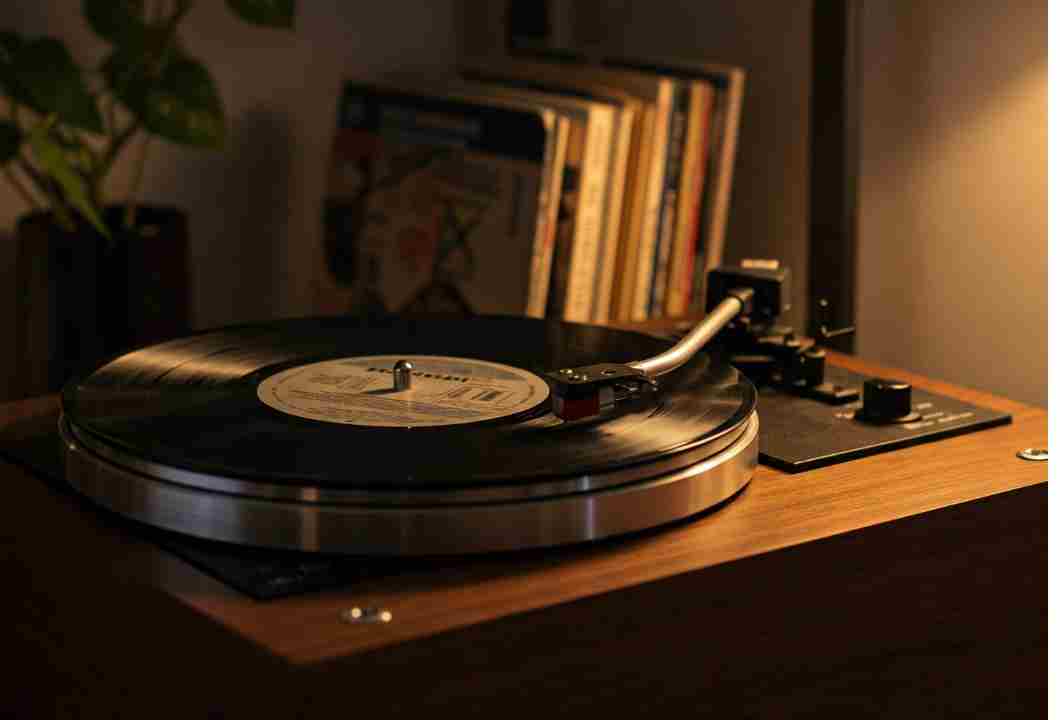

Buying used vinyl is one of the most rewarding — and risky — paths in the analog world. Many of the finest-sounding records still in circulation are decades old, yet many of the most compromised discs appear deceptively clean at first glance.
In a turntable restoration clinic, playback problems blamed on cartridges, bearings, or alignment frequently trace back to records purchased without proper inspection. Groove damage, chemical contamination, and biological growth leave signatures that no adjustment or cleaning machine can fully erase.
Why Used Vinyl Requires a Clinical Eye
A turntable is, at its core, a mechanical measurement device. It reads microscopic variations in groove geometry and converts them into electrical signals. Any flaw in the record — visible or not — interferes directly with that process.
Used vinyl presents three primary risk categories:
- Mechanical damage such as wear, warps, and groove deformation
- Chemical damage including plasticizer migration, residue, or oxidation
- Biological damage from mold and fungal contamination
A proper inspection addresses all three before the record ever touches a stylus.
Inspecting the Record Surface
Visual Examination Under Direct Light
Hold the record at multiple angles under a strong, directional light source.
What to look for:
Radial hairlines are often superficial and usually sleeve-related.
Circular scuffing suggests abrasive inner sleeves and repeated mishandling.
Gray or dull groove walls indicate groove burnishing caused by excessive tracking force.
Cloudy or milky patches may signal chemical interaction or PVC contamination.
A glossy surface with sharply defined groove walls is a strong indicator of low wear, even if light cosmetic marks are present.
Groove Wear vs. Dirt
Not all noise comes from contamination. Groove wear appears as uniform dullness, often more pronounced near the inner grooves where tracking stress is highest.
If wear patterns are consistent across the side, cleaning will not restore lost high-frequency detail. A properly aligned system will reveal this immediately during playback — a distinction closely related to Inner Groove Distortion at the End of the Side: Causes and How to Reduce It.
Flatness, Edge Condition, and Structural Integrity
Checking for Warps
Place the record on a known flat surface or spin it visually on a turntable platter without lowering the stylus.
Common warp types include dish warps from poor vertical storage, edge warps from heat exposure, and ripple warps that are usually irreversible.
Minor warps may be playable on some turntables, but they increase vertical tracking angle variation and accelerate stylus wear — often contributing to symptoms discussed in Skipping Records: How to Tell Tonearm Adjustment from a Warped Disc.
Center Hole Condition
Inspect the spindle hole carefully.
Elongation or cracking causes pitch instability, stresses the spindle bearing, and often leads to audible wow that is misattributed to motor or belt issues, as outlined in Wow & Flutter “Perceptible”: Why It Happens and How to Confirm It Without Expensive Equipment.
Smell as a Diagnostic Tool
Smell is an underrated but powerful indicator.
A musty or earthy odor suggests active or dormant mold.
Sharp chemical smells point to plasticizer migration or aggressive cleaning agents.
Smoke odor indicates tar residue embedded deep in the grooves.
Mold is particularly dangerous in a restoration environment because spores transfer easily to sleeves, jackets, and adjacent records.
Mold and Biological Contamination
Visual Warning Signs
White, gray, or green speckling
Filament-like growth near the label or lead-in
Sticky residue that returns after wiping
When mold is present on the vinyl surface — not just the sleeve — permanent sonic compromise should be assumed unless the record has exceptional historical or monetary value.
From a preservation standpoint, mold-contaminated records often cause more harm than benefit when introduced into an otherwise clean collection.
Jacket Inspection: More Than Cosmetic
The jacket reveals the record’s storage history.
Check spine rigidity and legibility, seam splits, and any waviness or distortion that suggests moisture exposure.
Opening the jacket and inspecting the interior often reveals brown or black spotting, powdery residue, or lingering damp smells — all indicators of prolonged humidity, frequently correlated with mold on the record itself.
Inner Sleeves: Silent Contributors to Damage
Original inner sleeves often explain a record’s condition.
Yellowed or brittle paper, excessive paper dust, and glossy PVC sleeves are all red flags. PVC sleeves are especially dangerous due to plasticizer migration, which permanently alters vinyl chemistry and cannot be reversed.
Best practice is to preserve original sleeves separately and use modern anti-static replacements, as discussed in Inner Sleeves and Storage: What Truly Extends the Life of a Record.
A Step-by-Step Used Vinyl Inspection Checklist
Begin with the external jacket. Check for water damage, odor, and structural weakness before removing the record.
Smell the jacket and record independently. Any mold odor warrants extreme caution.
Inspect the record surface under angled light, focusing on groove clarity rather than cosmetic shine.
Assess flatness by visual spinning or using a flat surface.
Examine the center hole and label area for elongation, bubbling, or moisture stains.
Evaluate the inner sleeve for abrasiveness, PVC, or contamination.
Finally, weigh risk versus reward. Ask whether the record’s condition aligns with your turntable’s level of precision and your tolerance for irreversible flaws.
Playback Implications for Turntable Performance
A compromised record does more than sound poor — it stresses the playback system.
Excessive stylus vibration, increased tonearm resonance, accelerated bearing wear, and unstable tracking behavior are common consequences.
In workshops, turntables that arrive with “mysterious” tracking issues often perform flawlessly once poor-quality records are removed from diagnostic testing, reinforcing points explored in Muddy Bass and Dull Mids: How to Tell Whether the Problem Is a Tired Cartridge or a Bad Adjustment.
Turntable Sensitivity and System Resolution
Higher-resolution systems are less forgiving. As turntable precision increases, tolerance for record defects decreases proportionally.
What plays acceptably on a basic record player may reveal severe flaws on a properly adjusted turntable — a distinction critical for anyone pursuing accurate analog playback.
When a Used Record Is Worth the Risk
Some compromises are reasonable.
Minor edge warps on otherwise clean pressings, light sleeve scuffs with intact groove sheen, and jackets with cosmetic wear but no biological damage are often acceptable.
Rarely acceptable compromises include mold on vinyl, PVC-induced clouding, and severe groove dulling from heavy tracking.
Understanding this distinction protects both your equipment and your time.
Building a Disciplined Buying Habit
Experienced collectors rely on consistency, not intuition. Every record is inspected the same way, regardless of price or rarity.
This discipline keeps turntables operating at reference level instead of cycling through unnecessary adjustments and repairs.
Used vinyl can be a gateway to extraordinary sound — but only when approached with the mindset of a technician rather than a gambler. Each inspection becomes a conversation with the record’s past: how it was stored, played, and respected.
When that history aligns with physical care, the reward is not only music, but mechanical harmony between stylus and groove, preserved for decades to come.