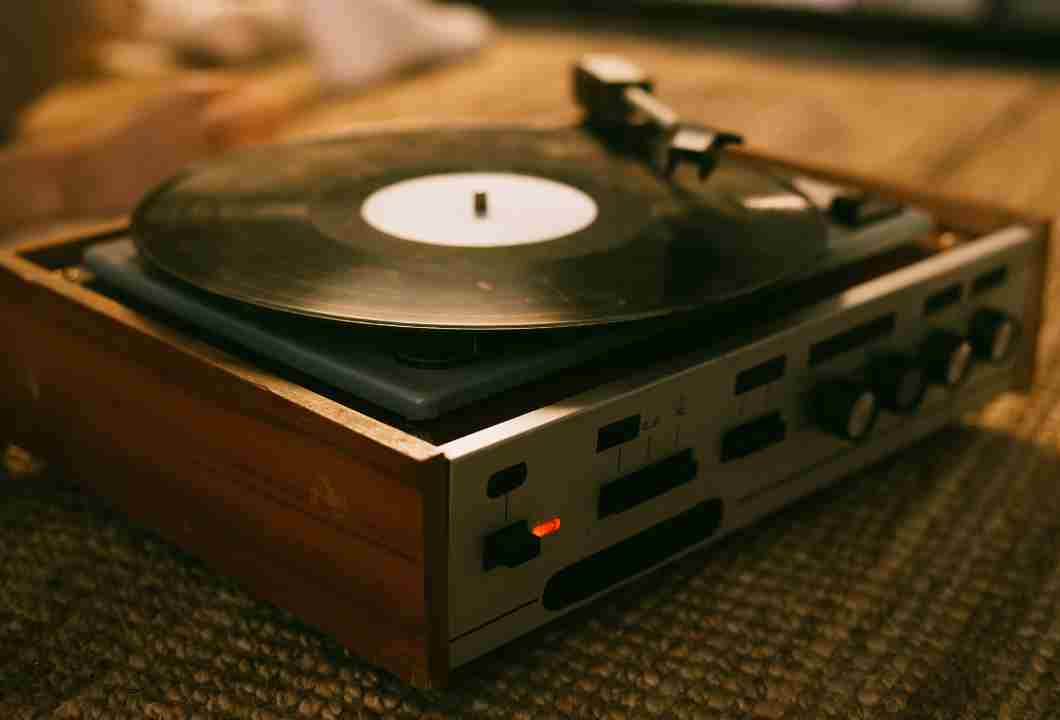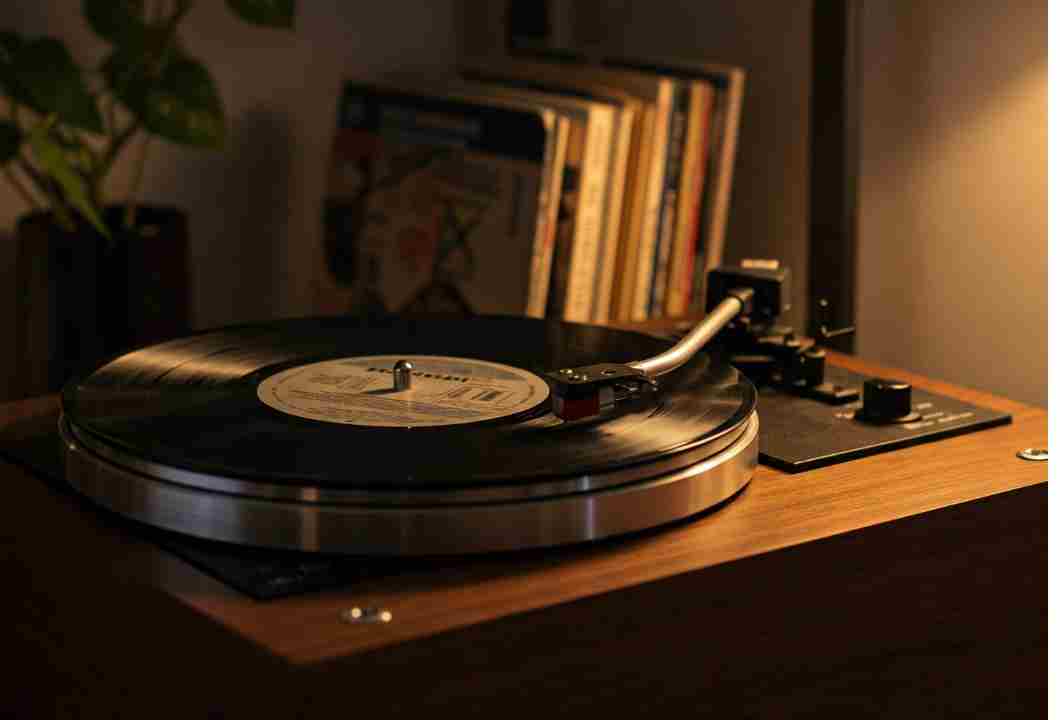

Vinyl longevity is not a matter of nostalgia or ritual; it is a matter of physics, chemistry, and mechanical interaction. In a restoration clinic dedicated to turntable performance and vintage audio preservation, the condition of records often reveals far more about storage choices than about how often they were played.
Warped discs, noisy lead-ins, groove wear, and persistent static are frequently misdiagnosed as turntable faults when the root cause lies in inner sleeves and storage practices. Understanding what actually protects a record — and what slowly destroys it — is essential for anyone serious about analog sound.
This article approaches the subject from a diagnostic and solution-oriented perspective, grounded in workshop reality rather than marketing claims. The focus is not on trends, but on what measurably increases record life while preserving the health of the turntable itself.
Why Inner Sleeves Matter More Than Most Accessories
Inner sleeves are the first line of defense between a record and its environment. They directly influence friction, static buildup, chemical stability, and mechanical wear during insertion and removal.
The Diagnostic Reality
When records arrive at a restoration bench with circular scuffing patterns, the cause is rarely a damaged stylus. It is almost always abrasive paper sleeves or sleeves contaminated with dust and micro-particles. Likewise, crackle that disappears after cleaning but returns within days is often traced back to sleeves that regenerate static — a cycle frequently mistaken for inadequate cleaning, as discussed in Vinyl Cleaning Without Excess: A Routine That Preserves and Prevents Wear.
What Inner Sleeves Actually Do
An inner sleeve must perform four critical functions:
- Protect the groove surface from abrasion
- Minimize static electricity
- Avoid chemical interaction with vinyl
- Maintain structural stability over time
Failure in any one of these compromises the record, regardless of how advanced the turntable, cartridge, or stylus may be.
Common Inner Sleeve Types: A Clinical Evaluation
Plain Paper Sleeves
Still widely used and often included with new pressings, plain paper sleeves are the most problematic.
Observed issues:
- High friction during insertion and removal
- Paper dust acting as a mild abrasive
- Significant static generation
- Accelerated edge and groove wear
From a diagnostic standpoint, these sleeves account for a large percentage of groove contamination cases seen in vintage audio restoration.
Polyethylene (PE) Sleeves
Polyethylene sleeves represent a step forward but are not without compromise.
Strengths:
- Lower abrasion than paper
- Reduced dust adhesion
Limitations:
- Tend to collapse inside jackets
- Low structural rigidity
- Highly variable quality depending on thickness
They are a functional improvement, but not ideal for long-term archival use.
Rice Paper and Multi-Layer Sleeves
Often misunderstood, so-called “rice paper” sleeves are actually multi-layer constructions combining polyethylene with an anti-static core.
Clinical advantages:
- Extremely low friction
- Excellent static dissipation
- No paper dust
- Chemically inert over time
In controlled comparisons, records stored in these sleeves consistently exhibit lower noise floors and reduced recontamination after cleaning. For a turntable operating at correct tracking force — as described in Tracking Force and Anti-Skate: How to Choose Safe Values for Your Cartridge — this directly translates into reduced stylus wear and more stable playback.
Chemical Compatibility: The Invisible Threat
Not all plastics are safe for vinyl. One of the most damaging long-term storage mistakes involves PVC-based sleeves.
Why PVC Is Dangerous
PVC releases plasticizers over time. These migrate into the vinyl surface, creating a cloudy residue that permanently alters groove geometry. This damage is irreversible and often mistaken for pressing defects or poor vinyl quality.
Diagnostic clues include:
- Sticky or oily surfaces
- Hazy appearance under angled light
- Increased surface noise even after ultrasonic cleaning
From a restoration perspective, PVC damage is one of the few vinyl failures that cannot be mitigated through mechanical or chemical treatment.
Storage Orientation: Vertical Is Necessary but Not Sufficient
Vertical storage is widely recommended, but improper execution still leads to deformation.
Correct Vertical Storage Parameters
- Records must be fully supported, not leaning
- Shelf spacing should prevent compression
- Weight distribution must remain even
A slight tilt maintained over years results in gradual warping that no turntable adjustment can compensate for — an issue often misattributed to suspension problems or platter irregularities.
Overcrowding vs. Under-Support
Overcrowding increases edge pressure, while loose spacing allows records to slump. Both conditions produce dish warps that destabilize tracking and exaggerate vibration-related issues discussed in Floating Floors in Apartments: How to Keep Your Turntable from Becoming a Seismograph.
Environmental Control: The Silent Partner in Preservation
Even the best inner sleeve cannot compensate for poor environmental conditions.
Temperature
Vinyl begins to deform at relatively low temperatures. Prolonged exposure above 30 °C accelerates warping and sleeve degradation.
Humidity
High humidity encourages mold growth on sleeves and jackets, while very low humidity increases static discharge. Both conditions compromise playback and increase mechanical stress on the turntable system.
Light Exposure
Direct sunlight and UV radiation weaken vinyl and sleeve materials, accelerating chemical breakdown.
Step-by-Step: Optimizing Inner Sleeves and Storage
- Assess current sleeve condition
Inspect for dust, discoloration, stiffness, or residue. - Replace abrasive or PVC sleeves immediately
Transfer records to high-quality multi-layer anti-static sleeves. - Clean before re-sleeving
Never place a contaminated record into a new sleeve. - Insert correctly
Orient inner sleeves upward or sideways, not aligned with the jacket opening. - Reevaluate shelf support
Ensure vertical storage with even pressure distribution. - Monitor environment
Basic temperature and humidity control yields outsized benefits.
The Relationship Between Record Care and Turntable Health
A turntable never operates in isolation. Groove condition directly affects stylus wear, tracking accuracy, and even bearing stress.
The Mechanical Feedback Loop
- Damaged or dirty grooves increase stylus vibration
- Vibration transfers energy into the tonearm and bearings
- Long-term stress accelerates mechanical wear
In restoration clinics, turntables showing premature bearing noise or instability often belong to collections stored without regard for sleeve quality or environmental control.
Record Player vs. Turntable Context
While the term record player is often used casually, a precision turntable is a mechanical instrument operating within defined physical tolerances. Storage practices either support or undermine that operating envelope.
As resolution increases, tolerance for record defects decreases — a recurring theme across your diagnostic articles.
Misconceptions That Shorten Record Life
“Original sleeves should always be used.”
They can be preserved separately, but daily playback should involve modern replacements.
“Heavy jackets protect records.”
Weight without support increases warping risk.
“Cleaning fixes everything.”
Cleaning addresses contamination, not abrasion or chemical damage.
Building a Storage System That Ages Gracefully
A record collection should improve with time, not degrade. Proper inner sleeves and storage practices ensure records remain mechanically compatible with future cartridge upgrades and turntable restorations.
From a clinical perspective, the most successful collections share three traits:
- Consistent sleeve quality
- Stable environmental conditions
- Respect for the mechanical limits of vinyl
These collections require fewer interventions, exhibit lower noise floors, and allow vintage turntables to perform at their intended level decades after manufacture.
Records are not fragile — they are honest. They reflect every decision made about how they were handled, sleeved, and stored. Inner sleeves and storage are not accessories; they are structural components of the analog playback system. When chosen and implemented correctly, they extend not only the life of the record, but also the operational lifespan of the turntable itself — preserving sound integrity in a way no upgrade alone ever could.