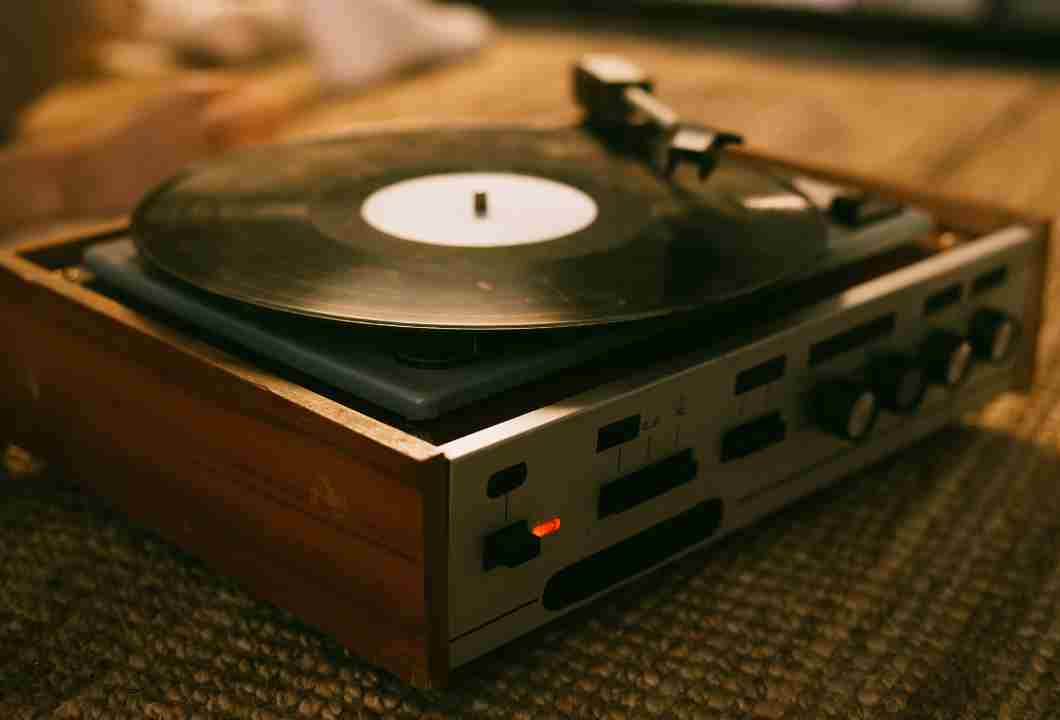
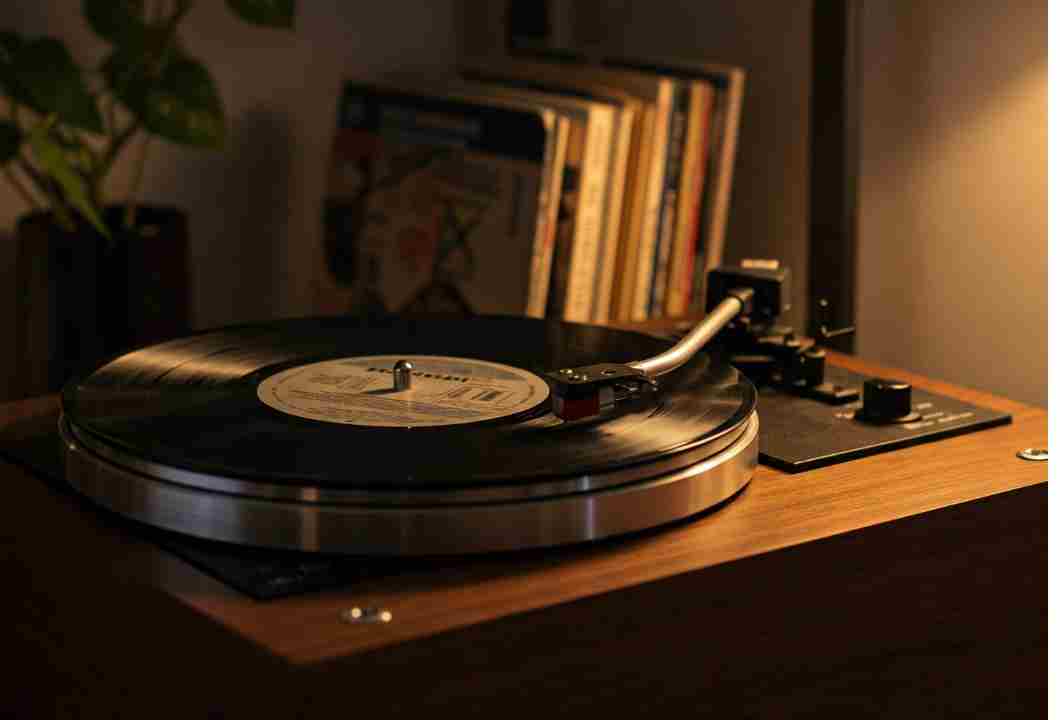
The renewed interest in vinyl records has brought many listeners back to the tactile pleasure of placing a record on a turntable, lowering the tonearm, and listening with intention. Along with this revival comes a recurring question in workshops and listening rooms alike: how much cleaning is enough?
Vinyl is resilient, but it is not indestructible. Excessive or incorrect cleaning can be just as harmful as neglect. From a diagnostic and preservation-oriented perspective, a balanced and methodical routine is essential for long-term groove integrity and consistent sound quality.
Understanding the Vinyl Groove — and Why Less Is Often More
A vinyl record is a precision object. Its grooves contain microscopic modulations that translate mechanical movement into music. These modulations are shallow, delicate, and easily altered by abrasion, chemical interaction, or excessive pressure.
Every cleaning action introduces some form of mechanical or chemical contact with the groove wall. When performed correctly, cleaning removes contaminants that cause noise, mistracking, and premature stylus wear. When performed excessively, it accelerates groove erosion and leaves residues that attract even more dust.
From a restoration standpoint, the goal is not visual perfection. It is ensuring that the groove remains mechanically readable by the stylus under correct tracking conditions, as discussed in Tracking Force and Anti-Skate: How to Choose Safe Values for Your Cartridge.
Common Misconceptions That Lead to Over-Cleaning
Before establishing a sustainable routine, several persistent myths deserve clarification.
The belief that records must be wet-cleaned before every play is one of the most damaging. A properly cleaned and correctly stored record does not benefit from repeated wet cleaning. Each unnecessary cycle increases the risk of micro-abrasion and residue buildup.
Another misconception is that more pressure improves cleaning effectiveness. In reality, increased force raises friction and can deform groove edges, particularly on older pressings or softer vinyl compounds.
Household cleaners represent an even greater risk. Many contain alcohols, surfactants, or fragrances that interact poorly with PVC. These substances can extract plasticizers from the vinyl, leading to brittleness, surface noise, and irreversible damage.
The Role of the Turntable in Vinyl Cleanliness
Record cleanliness cannot be separated from turntable condition. A clean record played on a contaminated or poorly adjusted system will quickly become dirty again.
Several elements deserve routine evaluation:
A worn or contaminated stylus behaves like a plow, redistributing debris into the groove rather than reading it cleanly, a problem often misdiagnosed as record wear and addressed in Muddy Bass and Dull Mids: How to Tell Whether the Problem Is a Tired Cartridge or a Bad Adjustment.
Mat materials also matter. Felt and foam mats tend to shed fibers and trap dust, undoing careful cleaning efforts.
Environmental exposure plays a role as well. Open turntables in dusty or humid spaces require greater attention to handling and storage.
In diagnostic practice, persistent noise after proper record cleaning often points to issues in the playback chain rather than the record itself, as explored in Constant Hiss vs. Occasional Pops: What’s Normal in Vinyl and What Signals a Problem.
Establishing a Sustainable Vinyl Cleaning Routine
An effective routine balances preventive care with occasional intervention. The structure below reflects practices commonly used in restoration environments.
Dry Cleaning as the Primary Defense
Dry cleaning should be the most frequent action in any vinyl care routine.
A high-quality carbon fiber brush is designed to discharge static electricity while gently removing loose surface dust. Used correctly, it minimizes airborne particles without disturbing deeper groove contaminants.
Best practice involves allowing the record to rotate for one or two revolutions with minimal pressure, letting the fibers do the work. Lifting the brush vertically prevents debris from being dragged back across the surface.
When combined with proper storage, this step alone dramatically reduces the need for wet cleaning.
Controlled Wet Cleaning — Only When Necessary
Wet cleaning should be reserved for records with audible contamination, visible residue, or unknown storage history.
An appropriate cleaning solution should be free of aggressive solvents, low in residue, and formulated specifically for PVC. Distilled water is typically used as a base, combined with a minimal amount of surfactant to reduce surface tension.
The objective is to loosen contaminants, not dissolve the vinyl.
Manual cleaning can be effective when performed carefully, but consistency is critical. Record cleaning machines provide better control over fluid application and removal, particularly vacuum-based systems that extract contaminants rather than spreading them.
Regardless of method, excess fluid is the enemy. Over-saturation increases drying time and encourages residue formation deep within the groove.
Drying, Handling, and the Often-Ignored Final Stage
Drying is a critical phase that is frequently underestimated.
Records should be allowed to air dry completely before being returned to sleeves. Stacking wet records or using microfiber cloths that shed fibers compromises the entire cleaning process.
Handling should be limited to the edge and label area. Finger oils attract dust and migrate into the groove under stylus pressure.
Inner Sleeves and Long-Term Storage Strategy
Even a perfectly cleaned record can be re-contaminated instantly if returned to a compromised sleeve.
Older paper sleeves often contain abrasive particles and acidic residues. Replacing them with high-quality anti-static sleeves is one of the most effective preventive measures available, a topic examined in Inner Sleeves and Storage: What Truly Extends the Life of a Record.
Records should be stored vertically in a stable environment with controlled humidity and minimal temperature fluctuation. Excessive heat promotes warping, while humidity encourages mold growth on sleeves and labels.
The Stylus: The Overlooked Variable
Many cleaning routines focus exclusively on the record while ignoring the stylus — the single point of contact between groove and sound.
A contaminated stylus reintroduces debris into the groove and masks the benefits of careful cleaning.
Stylus maintenance should include gentle brushing from back to front only, following the direction of playback. Liquid cleaners should be avoided unless explicitly recommended by the cartridge manufacturer.
In diagnostic scenarios, persistent distortion after record cleaning often indicates stylus wear rather than groove damage, a distinction explored further in Elliptical, Conical, or Microlinear Stylus: Audible Differences and Risks for Vintage Records.
When Cleaning Becomes the Problem
In restoration workshops, some of the most compromised records belong to well-intentioned owners who cleaned too often.
Warning signs include increased surface noise after repeated cleaning, dull or washed-out sound, and persistent static despite wet treatment. These symptoms often indicate residue buildup or groove wall polishing caused by repeated mechanical contact.
At this stage, additional cleaning rarely improves results. Attention should shift to system calibration, stylus condition, and realistic expectations based on record age and history.
Balancing Care and Enjoyment
A turntable system is meant to be used, not constantly serviced. The healthiest vinyl collections belong to listeners who clean with intention rather than anxiety.
A sustainable routine respects the physical limits of the medium while accepting that minor surface noise is part of the analog experience. The pursuit of absolute silence often leads to unnecessary interventions that shorten the life of both records and playback components.
A Preservation-Oriented Mindset
Vinyl cleaning is not about perfection. It is about preservation.
Each action should have a clear purpose, a defined method, and a measurable benefit. When cleaning becomes habitual rather than diagnostic, it loses effectiveness.
By prioritizing dry cleaning, reserving wet methods for genuine need, and maintaining the entire turntable system as an integrated whole, records remain playable, expressive, and mechanically sound for decades.
In the end, the most effective cleaning routine is the one that fades into the background — allowing the music to take center stage while the grooves quietly endure.