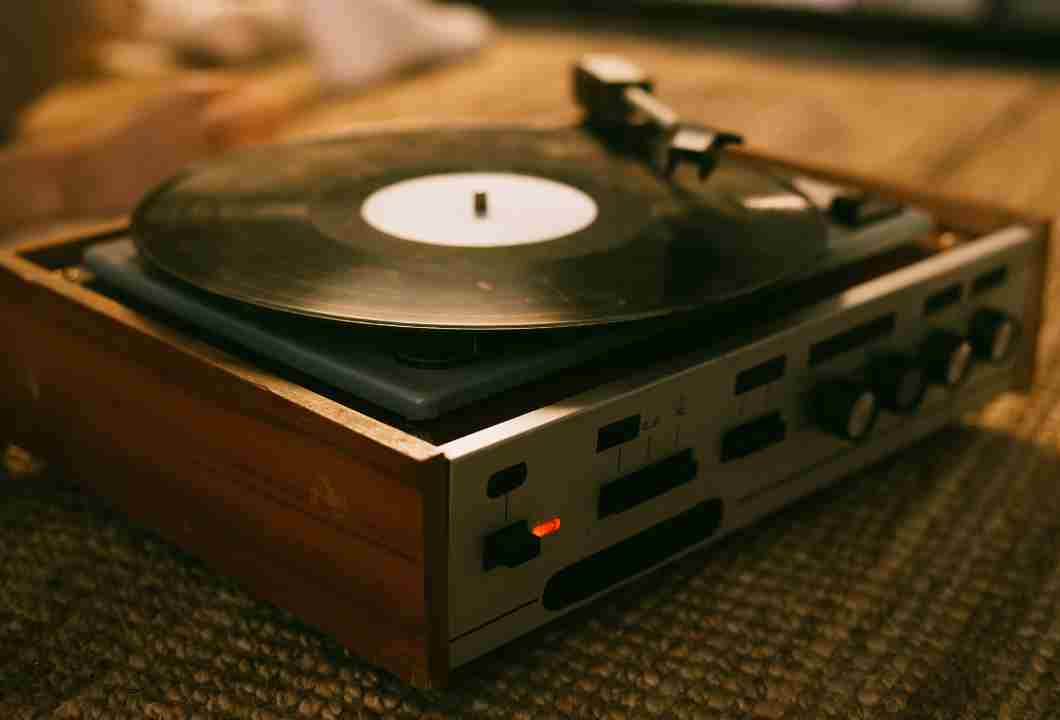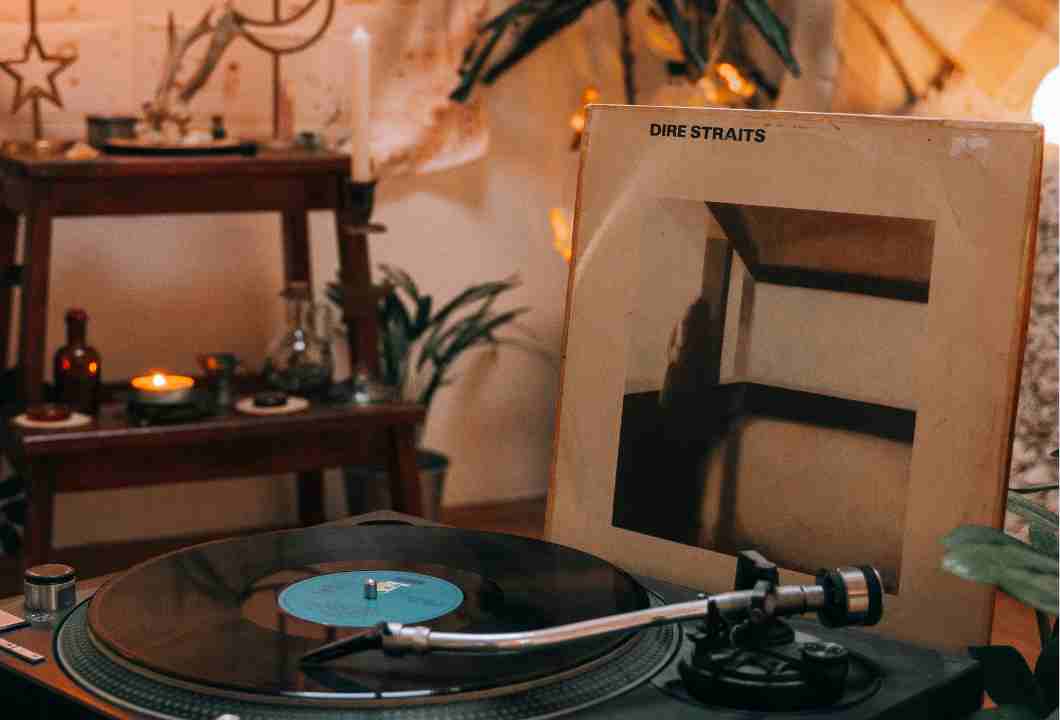
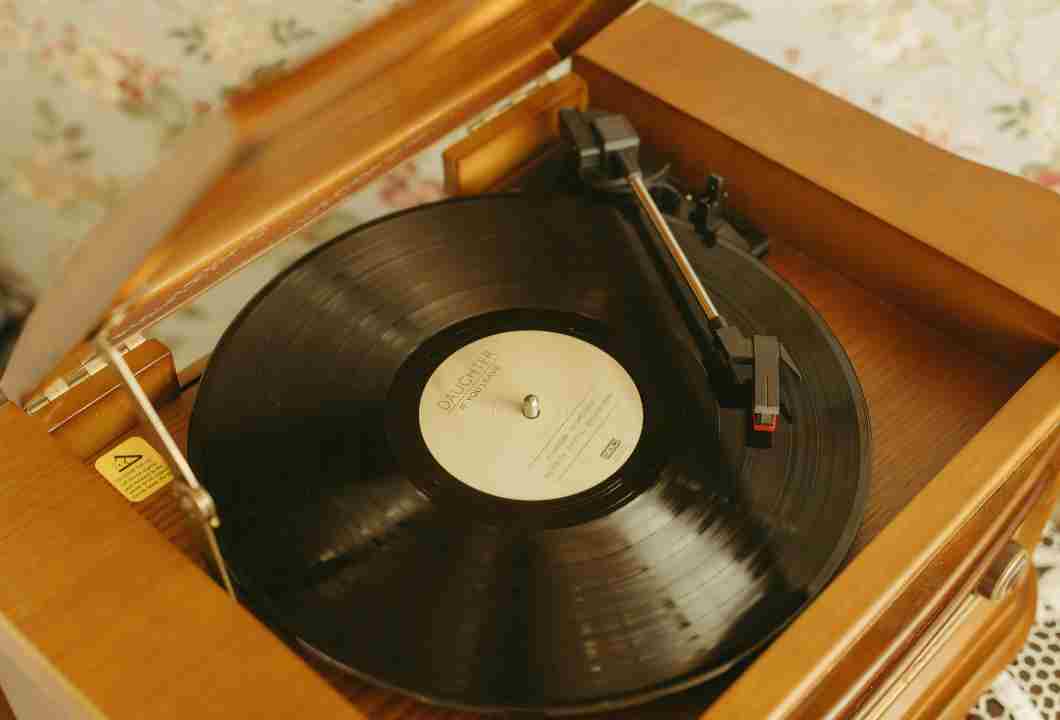
The moment you finish restoring a vintage turntable, you expect silence between notes: a calm background, a steady platter, a clean lead-in groove. Yet many people notice the opposite after upgrading “everything around it” — new routers, smart bulbs, LED lamps, laptop chargers, USB power bricks. Suddenly, the system that once sounded smooth now carries a faint buzz, a gritty hash, intermittent ticks, or a roaming “zipper” noise that appears when certain devices wake up.
This is not nostalgia playing tricks on you. Modern homes are saturated with high-frequency switching electronics and radio transmitters that did not exist when most classic turntable systems were designed. The good news is that, with correct diagnosis, you can almost always identify the entry point and eliminate the noise without compromising the authenticity of your vintage chain.
The New Noise Floor: What Changed in Modern Homes
Vintage audio gear was built for a world dominated by linear power supplies, incandescent lighting, and comparatively quiet mains. Today, three categories of modern technology commonly raise the perceived noise floor.
Switched-Mode Power Supplies (SMPS)
Chargers and adapters that rapidly switch current on and off are efficient and ubiquitous. They generate high-frequency energy from tens of kilohertz into the megahertz range and can contaminate a system in three ways:
- Conducted noise through the AC line
- Radiated noise through the air
- Modulation of ground references
This type of contamination is frequently encountered in diagnostic cases described in Switched-Mode Power Supplies, Wi-Fi, and Interference: Why Your Vintage Turntable System Got Noisier because vintage power supplies were never designed to reject this class of noise.
Wi-Fi and Other RF Transmitters
Wi-Fi routers, mesh nodes, Bluetooth devices, smart speakers, and some televisions transmit continuously. While a cartridge does not directly reproduce Wi-Fi frequencies, RF energy can be rectified inside sensitive stages — especially phono preamps or poorly shielded interconnects — turning into audible artifacts.
These issues often present as noise that changes with device activity, a symptom also explored indirectly in Home Office + Setup Vintage: Living With Notebooks, Monitors, and Noisy Power Sources.
LED Lighting and Dimmers
LED drivers and dimmers are among the most common modern offenders. Their noise signature often changes with brightness level or when the lamp is switched on or off, making them easy to misdiagnose as grounding or cartridge problems.
How Interference Gets Into a Turntable System
Noise only matters once it finds a path into the signal chain. In a vintage turntable setup, interference typically enters through one or more of the following routes.
Conducted Noise Through the Mains
High-frequency noise rides in on the AC line and reaches the amplifier, receiver, or external phono stage. Vintage transformers and rectifiers offer limited rejection of this type of contamination.
Ground Loops and Ground Reference Modulation
Phono signals are extremely small. Any unwanted voltage difference between grounds becomes dramatically amplified after 35–60 dB of phono gain. This is why grounding issues discussed in Turntable with Hum (Rumble): How to Identify Whether It’s Grounding, Cable, or Phono Preamp often worsen in modern electrical environments.
Radiated RF Picked Up by Cables
Poorly shielded or excessively long interconnects behave like antennas. The phono cable is the most vulnerable link in the entire system.
Rectification in Semiconductor Junctions
RF energy can be demodulated by diodes, transistors, or op-amp inputs, creating audible chirps, whines, or a grainy background texture.
Identify the Sound: A Practical Noise “Fingerprint”
Before changing anything, listen and classify the noise.
- 50/60 Hz hum (and harmonics): grounding or loop related
- Buzz with raspy edges: LED drivers, dimmers, or SMPS
- High-pitched whine: switch-mode supplies or displays
- Ticking or periodic chirps: Wi-Fi or smart devices polling
- Noise that changes when touching metal parts: grounding or shielding fault
This fingerprint guides diagnosis and prevents blind experimentation.
Step-by-Step Diagnosis: From Isolation to Root Cause
Establish a Clean Baseline
Disconnect all sources from the amplifier except speakers. Raise volume to a normal listening level.
If noise exists here, focus on power quality and environmental emitters. If not, proceed.
Add the Phono Stage Alone
Connect the phono stage to an AUX input, leaving the turntable disconnected.
Noise appearing at this stage indicates susceptibility to conducted noise or RF — often linked to phono preamp integration issues discussed in Vintage Phono Preamps: How to Choose by Cartridge Type and Noise Floor.
Connect the Turntable (Motor Off)
If noise appears now, suspect cabling, grounding, or proximity to interference sources.
Physically Move Cables
Separate phono cables from power cords, routers, chargers, and power strips. Changes in noise confirm radiated pickup — a problem often misattributed to cartridge wear or alignment.
Identify the Offending Device
Unplug chargers, LED lamps, smart devices, and network hardware one by one. Noise disappearing when a device is removed confirms it as a contributor.
Multiple devices can stack their interference.
Test a Different Circuit
Move the audio system to a different wall outlet or circuit. A change indicates conducted mains noise rather than radiated pickup.
Eliminate Wi-Fi as a Variable
Temporarily power down routers or mesh nodes. Changes here confirm RF coupling, especially in poorly shielded environments.
Solutions That Preserve Vintage Character
Cable and Layout Discipline
Short, well-shielded phono cables and careful routing often produce the biggest improvement. This principle underpins many recommendations in Cabling: When Replacing Cables Helps — and When It’s Placebo.
Intentional Grounding
Ensure a single, clean ground reference. Clean oxidized lugs and RCA shells. Accidental grounding paths make RF problems worse, not better.
Replace the Worst Wall Warts
One poorly designed SMPS can contaminate an entire system. Replacing it is often more effective than filtering everything else.
Strategic Power Conditioning
Use EMI/RFI-filtered power strips or line filters designed for high-frequency noise. The goal is not “audiophile power,” but measurable interference reduction — a concept expanded in How to Use a Power Conditioner Without Killing Analog Sound Dynamics.
Address LED Noise at the Source
Higher-quality LED bulbs and proper LED-rated dimmers reduce both conducted and radiated noise dramatically.
When the Turntable Itself Becomes the Antenna
Restoration-specific checks matter:
- Verify tonearm wiring continuity and shielding
- Inspect chassis grounding schemes
- Clean and test muting switches on automatic decks
Small wiring faults can dramatically increase vulnerability to modern RF environments.
Record Player vs. Turntable: A Diagnostic Distinction
The term record player is often used casually, but in restoration work, turntable is more precise. The distinction matters because noise often enters after the deck — in the phono stage or amplification — where gain is highest.
Understanding this prevents chasing the wrong culprit.
A Restoration Mindset for Modern Interference
Interference is a system problem, not a single defective component. A perfectly restored vintage turntable can become noisy simply because the environment changed — new chargers, new Wi-Fi layout, new lighting.
Approach diagnosis the way a technician would: isolate stages, change one variable at a time, and confirm improvements through listening. When you do, the process becomes rewarding rather than frustrating.
You hear the noise shrink step by step — a cable reroute that reduces hash, a charger replacement that removes a whine, a grounding correction that collapses buzz into silence.
Then the stylus drops, and the background goes dark. In a modern home full of digital chatter, that old-world quiet feels almost miraculous — and it proves that vintage analog systems, when properly diagnosed and respected, still have the last word.