
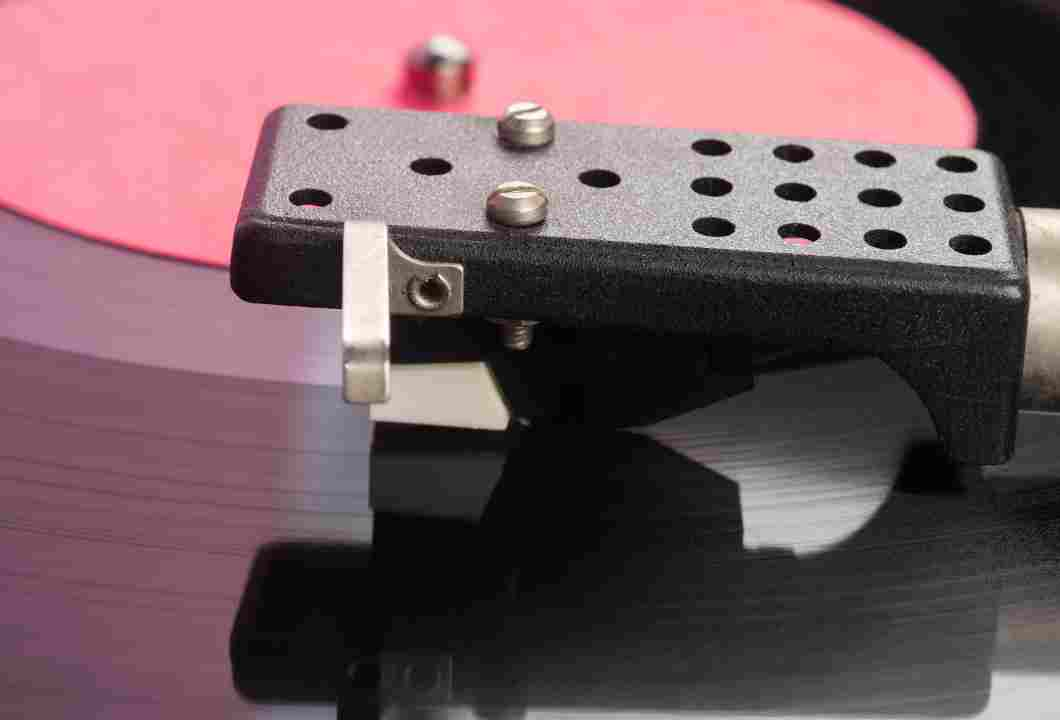
You power up the turntable, everything seems fine, and then someone turns on a lamp, a TV, a powered speaker, a laptop charger, or even the refrigerator cycles—and suddenly you hear a buzz, hum, or crackling that wasn’t there a moment ago. If the noise appears specifically when other appliances switch on or off, the …
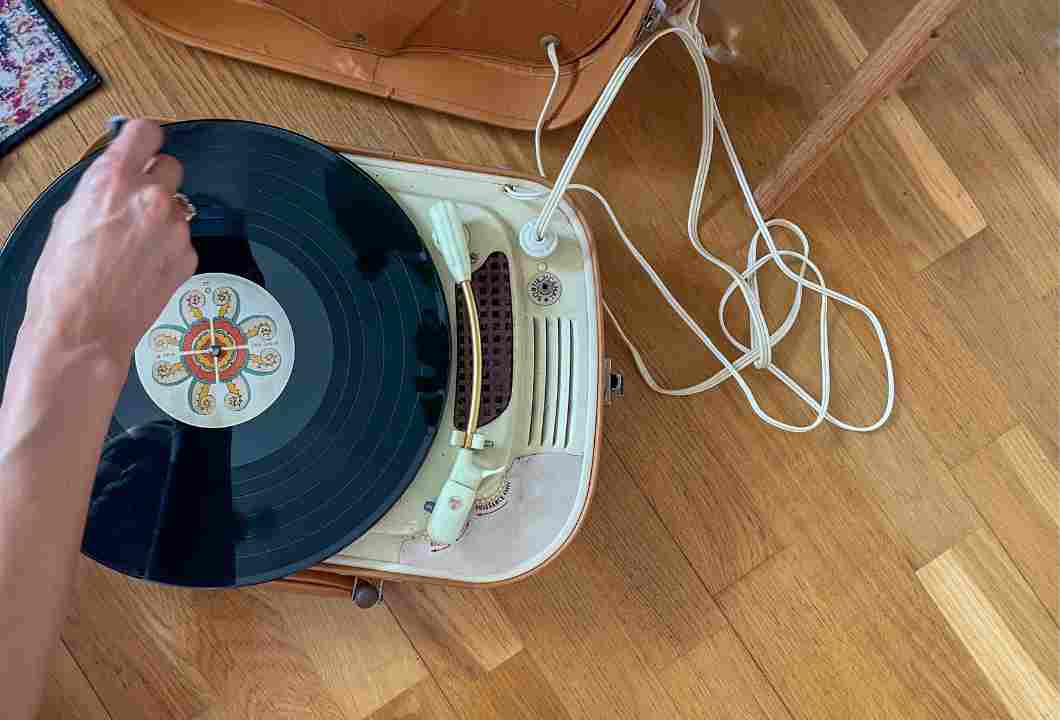
Few things are more frustrating for a vinyl listener than a turntable that starts a session quietly and, after a short time, begins producing crackles, pops, or intermittent noise. The record may be clean, the stylus may look fine, and the system may have passed every quick test—yet the noise creeps in as minutes go …

In the world of vintage audio restoration, few complaints are as deceptively simple—and as technically revealing—as the listener who insists the record is flawless, the stylus is new, and yet the sound remains dull, congested, and lacking air. When a turntable consistently delivers a “closed” or veiled presentation even with high-quality pressings, the issue is …
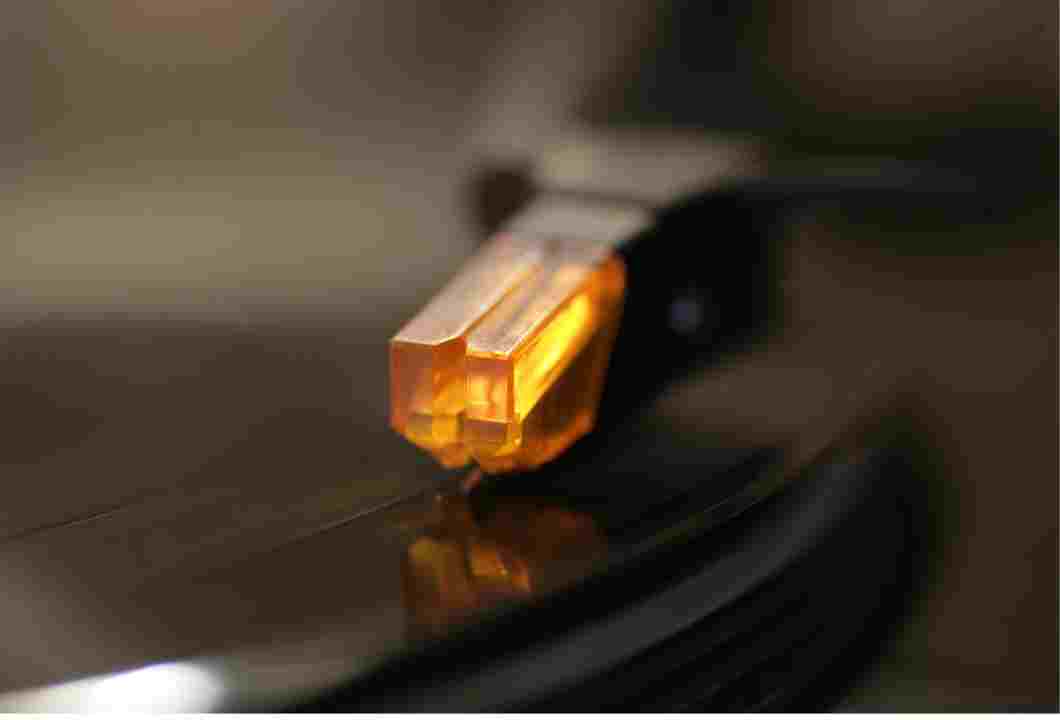
Few things are more frustrating for a vinyl listener than lowering the stylus onto a favorite record and immediately sensing that something is wrong. Bass notes blur together, losing pitch definition and impact. Midrange information—vocals, guitars, pianos—sounds muted and lifeless. On a properly restored turntable, this presentation is not a “vinyl character.” It is a …

The renewed interest in vinyl has brought many listeners closer to the mechanical beauty of the turntable. Along with that intimacy comes a reality that surprises newcomers and veterans alike: vinyl is not silent. Every groove, every rotation, and every electrical stage introduces some degree of noise. The challenge is not eliminating noise entirely, but …
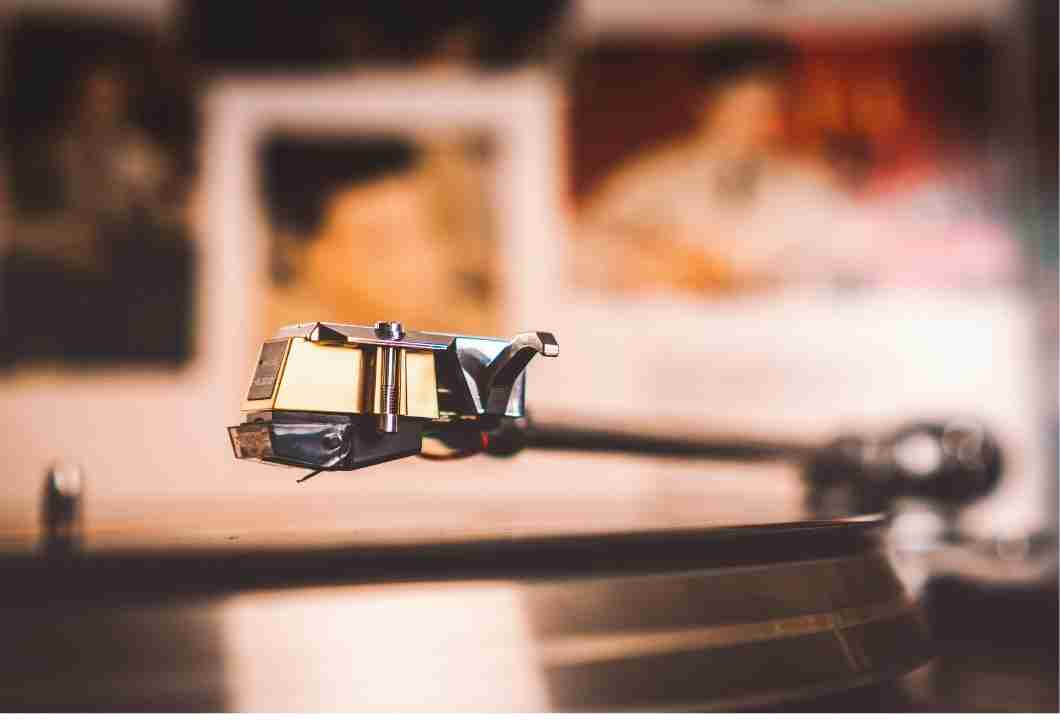
Few things break the spell of vinyl playback faster than unstable speed. A piano chord that gently wavers, vocals that feel seasick, or drums that never quite lock in—these are unmistakable signs that a turntable is failing to maintain accurate rotation. In vintage audio restoration, speed stability is not a refinement or an “upgrade.” It …

Vinyl playback can feel unusually “alive,” but it also exposes a limitation that digital formats never have to confront: the stylus must trace a shrinking circle of increasingly dense information with the same stability it had at the outside edge. When that stability breaks down, the end of the side becomes the trouble zone. Inner …
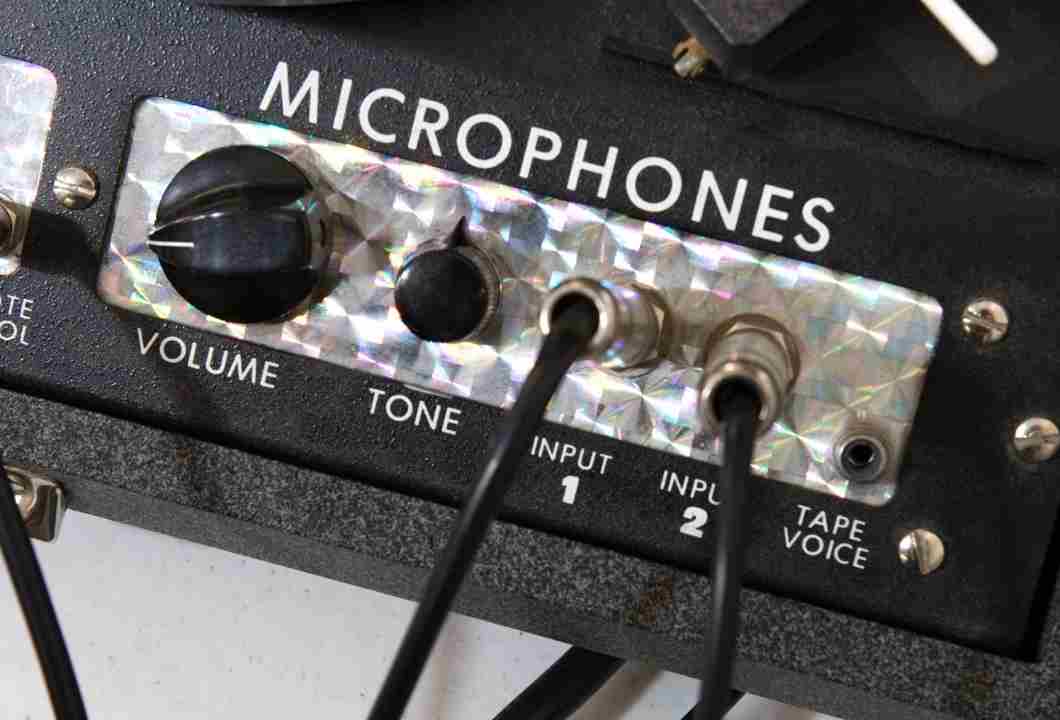
A failing left or right channel is one of the most common—and most frustrating—complaints in vintage audio. One day your turntable sounds wide and balanced; the next, the image collapses to one side, or a channel drops in and out when you touch the headshell. Because the signal path of a turntable is long and …
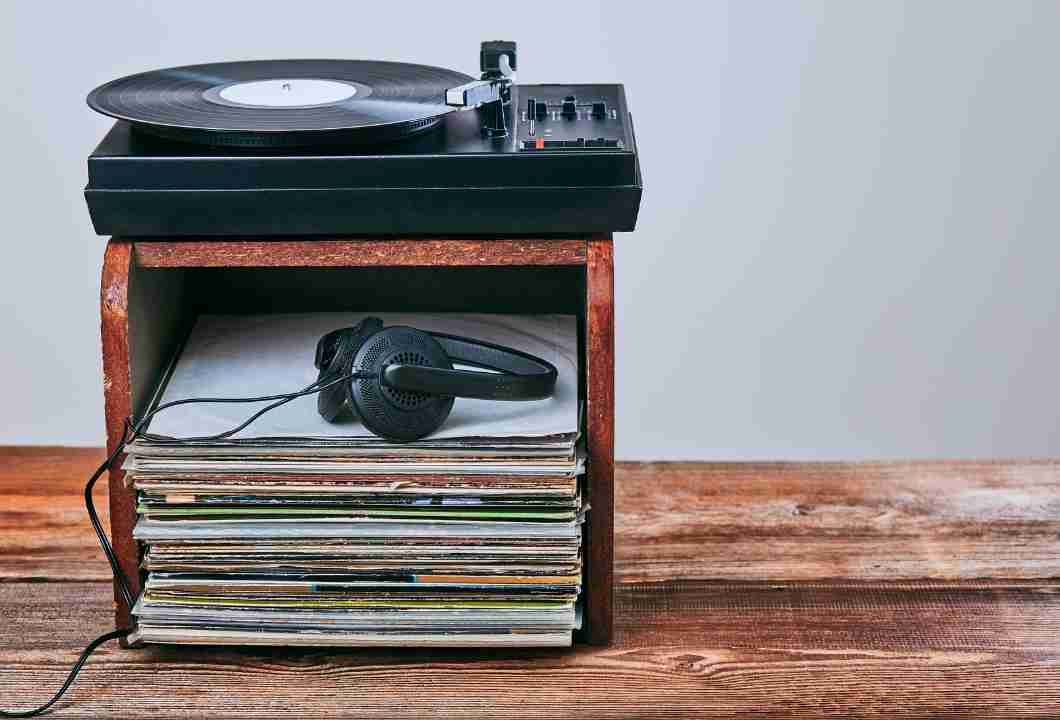
In the world of vintage audio, few devices generate as much emotional attachment as a turntable. For many owners, it represents not only a way to play records, but also a connection to a specific era of engineering, design, and listening culture. When a unit begins to fail, however, the question that truly matters is …
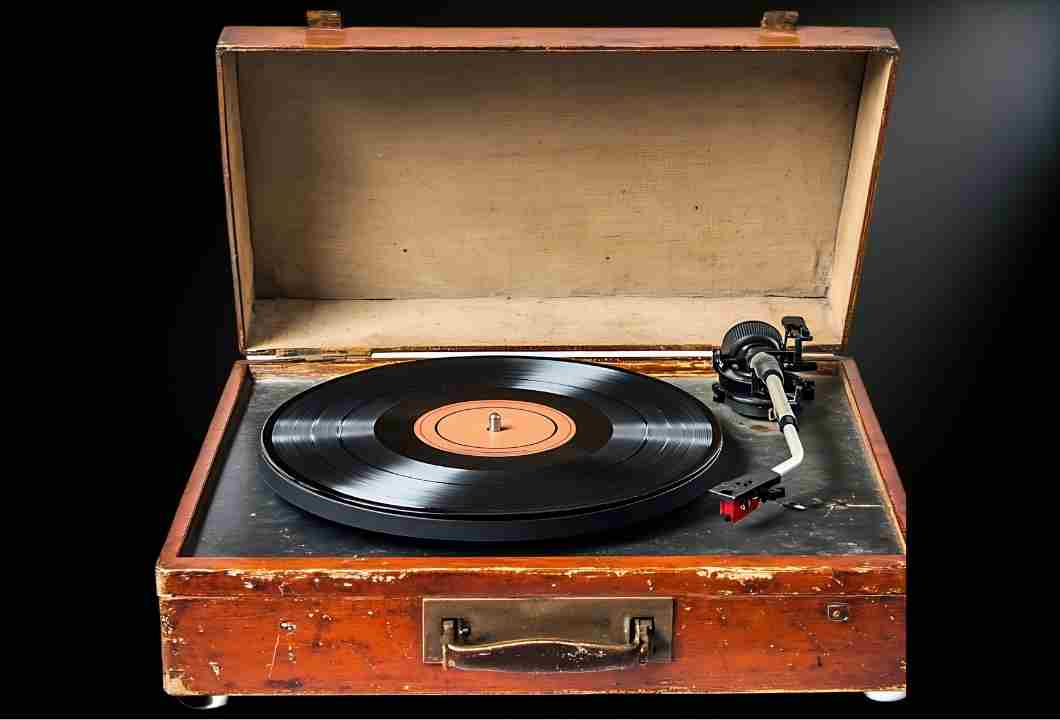
The presence of hum—that persistent, low-frequency rumble heard the moment the system comes alive—is one of the most frequent and misunderstood problems in analog playback. For anyone involved in restoring, servicing, or seriously listening to vinyl, hum is more than an annoyance: it is a signal that something in the system is electrically or mechanically …